World Bank to Test USDC Stablecoin Payments: How It Will Work
The World Bank Group will test Circle's USDC stablecoin with Citi to move development funds faster and cheaper, in countries where digital assets are allowed.
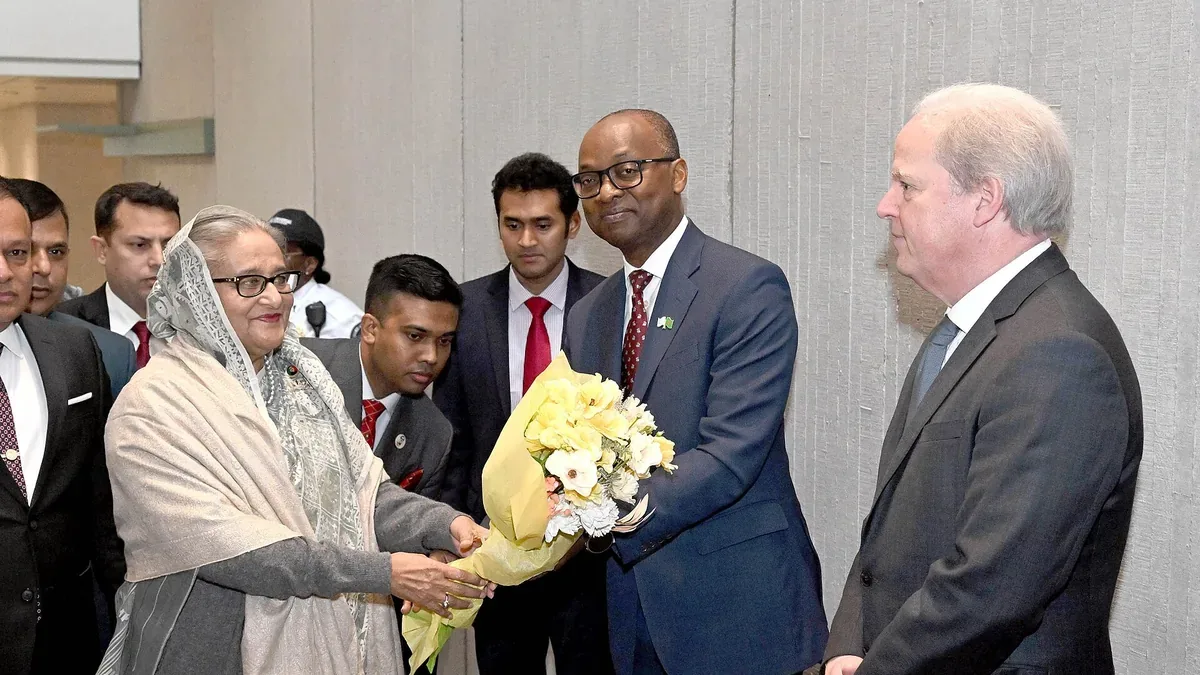
Image: Wikimedia Commons / Press Information Department
WASHINGTON, November 17, 2026 — The World Bank Group said on Tuesday it will explore using Circle's USDC stablecoin to move development funds, working with Citi to test whether dollar-backed digital tokens can carry its payments faster and more cheaply than correspondent banking does today.
The announcement puts a major development lender behind a live test of regulated stablecoins. The group said modest efficiency gains, applied at scale, could free up significant resources for frontline projects. No money has moved yet, and no amounts or start date were announced.
Key Takeaways
- The World Bank Group, Citi and Circle will test regulated US dollar stablecoins for development-fund payments.
- Circle will mint and settle funds in USDC; Citi connects the test to banking rails.
- The test builds on FundsChain, already tracking disbursements across 350-plus projects in 96 countries.
- The first phase covers only borrower countries where digital assets are permitted.
How the World Bank Would Use USDC to Send Development Funds
Today the group pays out project funds through correspondent banking, a chain of banks that relays cross-border payments from one bank to the next. Each bank in the chain can add fees and delays.
Under the plan, Circle's infrastructure would mint and settle funds in USDC, while Citi supplies connections to banking rails recipients already use. The two tracks would run side by side, so funds move on blockchain rails where that is faster and cheaper, and through banks where it is not.
| Today | USDC test | |
|---|---|---|
| Speed | Days, with delays at each intermediary | Near-instant, 24 hours a day |
| Cost | Fees at each bank in the chain | Lower cost is the question the test must answer |
| Visibility | Little sight of funds in transit | Full traceability on a shared ledger |
World Bank Group President Ajay Banga said faster money means real impact: "a health clinic gets built on time, a farmer gets paid before the harvest season ends." The first phase uses an intermediated, interoperable model, and the group will explore working with other banks over time.
What Is FundsChain and How Does It Track World Bank Money?
The test builds on FundsChain, one of the World Bank Group's blockchain platforms, which tracks fund disbursements across investment projects in developing countries. More than 350 projects across 96 countries are already on its ledgers.
Until now FundsChain has tracked money that moved through the old system. The test asks whether the same ledger approach can also move the money. Citi's Shahmir Khaliq said the work would deliver "24/7 capabilities at scale so that critical funds move in real time."
How US Stablecoin Rules Under the GENIUS Act Shape the Test
The test lands as the United States puts stablecoin rules in place. The GENIUS Act, the federal law governing payment stablecoins, requires issuers to back tokens one-to-one with low-risk assets, with regular audits. USDC, issued by Circle, is the second-largest stablecoin in circulation.
The announcement arrives during a sharp slide in crypto markets. Bitcoin traded near $64,900 on Wednesday, down about 12 percent over seven days, with the Fear and Greed Index at 12 to 13, in extreme fear. The group's interest is in the payment rails, not the price of crypto assets: Bitcoin has now fallen for six straight weeks as ETF outflows and rate-hike bets weigh on demand. US authorities have tightened oversight in parallel: the Justice Department seized more than $1 billion linked to a hack of the Binance exchange, in a wider crypto-crime crackdown.
Circle chief executive Jeremy Allaire called development finance one of the most important uses for his company's technology: "Money that moves at the speed of the internet shouldn't be reserved for the world's biggest banks and corporations. It should reach the people and places that need it most."
Frequently Asked Questions
Will the World Bank pay development funds in USDC now?
No. The group will only explore regulated stablecoin infrastructure; no live payments, amounts or start date were announced.
Which countries will take part in the World Bank stablecoin test?
Only borrower countries where digital assets are permitted will be engaged at first. The group has not named any countries.
Is USDC the same as a World Bank digital currency?
No. USDC is Circle's existing US dollar stablecoin, and the group is not creating a token of its own.
The group has not said when the first test payments will move. The next step is to engage eligible borrower countries. The World Bank Group's announcement is published on its website.