Judge Strikes Down Trump Student Visa Cap: What It Means for 1.1M Students
A Boston federal judge struck down the four-year cap on foreign student stays, preserving duration of status for 1.1 million students and journalists.
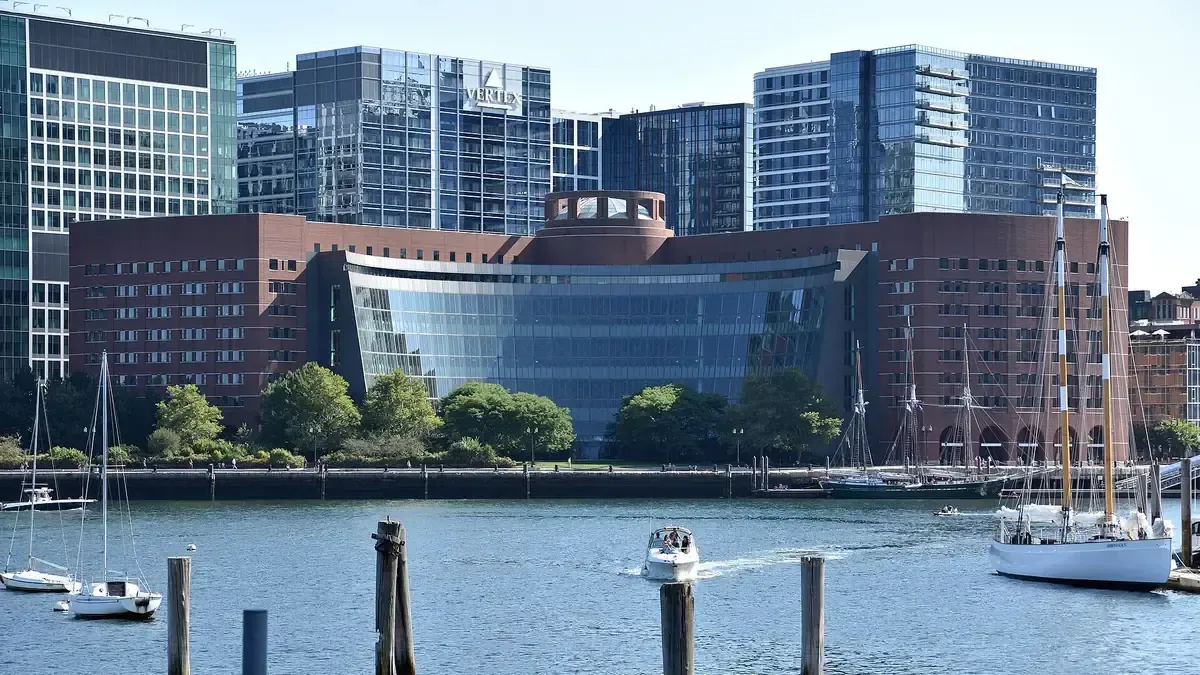
Image: Wikimedia Commons / 4300streetcar
BOSTON — A federal judge in Boston on Monday struck down the Trump administration's rule limiting how long foreign students and journalists can stay in the United States, preserving a decades-old system covering more than 1.1 million international students. Judge F. Dennis Saylor of the United States District Court in Massachusetts set aside the Department of Homeland Security rule in full, finding it was "arbitrary, capricious, an abuse of discretion, and otherwise not in accordance with law."
The rule would have ended "duration of status," the framework that has allowed international students to remain while they make progress toward a degree. Students on F-1 visas and exchange visitors on J-1 visas would have faced a four-year maximum, with extensions needed to stay longer. Foreign journalists would have been limited to 240 days, down from up to five years. Saylor had blocked the rule in September, a day before it took effect, and the government has appealed that order.
Key Takeaways
- Judge F. Dennis Saylor set aside the Department of Homeland Security rule in full.
- The four-year cap on F-1 and J-1 stays will not take effect.
- Foreign journalists keep stays of up to five years instead of a new 240-day limit.
- The government's appeal of the judge's earlier order remains pending.
How Long Can International Students Stay in the US After the Ruling
International students can stay while making progress toward their degree, as they have for decades. The ruling preserves duration of status, under which admission lasts for the duration of studies. The Department of Homeland Security said fixed periods would address fraud and national security, but the court found it failed to justify the change or consider less burdensome alternatives.
The stakes were highest for graduate students: Saylor found the rule would have barred extended study such as PhD programmes, joint degrees and changes of concentration. More than 1.1 million international students studied in the United States in 2023-24, and many doctoral programmes run beyond four years.
What Happens to the Four-Year Student Visa Cap Now
The cap is gone, at least for now. Saylor set aside the rule in its entirety under the Administrative Procedure Act and denied the government's motion for summary judgment. The case, Presidents' Alliance v. DHS, was brought by a coalition including NAFSA, the Presidents' Alliance, the teachers' and auto workers' unions and The NewsGuild-CWA.
The administration can still fight on. Its appeal of Saylor's September order remains pending, and it can appeal Monday's final ruling or try a new rulemaking. It is the latest court setback for a Trump immigration measure, following a federal appeals court ruling that stopped New York highway funds being withheld. International student numbers have already been shifting toward Britain and Asia.
How the Ruling Affects Foreign Journalists on I Visas
Foreign journalists keep the stays they have had for years. Under the blocked rule, foreign media representatives would have been admitted for no more than 240 days, with extensions needed to keep working. The NewsGuild-CWA, part of the coalition that sued, said foreign journalists had been "on pins and needles" awaiting the decision and welcomed it as a win for a free press.
| Group | Under the blocked rule | After the ruling |
|---|---|---|
| F-1 students | Maximum four-year stay, then extension required | Duration of status preserved |
| J-1 exchange visitors | Maximum four-year stay, then extension required | Duration of status preserved |
| Foreign journalists (I visas) | Maximum 240-day stay, then extension required | Stays of up to five years preserved |
Frequently Asked Questions
Can international students stay in the US for more than four years now?
Yes. Duration of status is preserved, so a student can remain while making progress toward a degree, including PhD programmes beyond four years. No extension is needed past the four-year mark.
What is duration of status for F-1 student visas?
It is the decades-old framework under which admission lasts for the duration of studies, rather than a fixed period. It lets students complete degrees, pursue joint degrees and change concentration without extensions.
Does the ruling affect foreign journalists working in the US?
Yes. The 240-day limit on foreign journalists on I visas is also struck down. They can stay for up to five years, as before, without extensions every eight months.
Can the Trump administration appeal the student visa ruling?
Yes. Its appeal of the September order remains pending, and it can appeal Monday's final ruling or start a new rulemaking.
The Department of Homeland Security has not yet said whether it will appeal the final ruling.