Kalshi Warned of Possible CFTC Charges: What It Means for Prediction Markets
The CFTC has warned Kalshi of possible charges over new betting contracts, a probe that could reshape the $40 billion prediction-market industry.
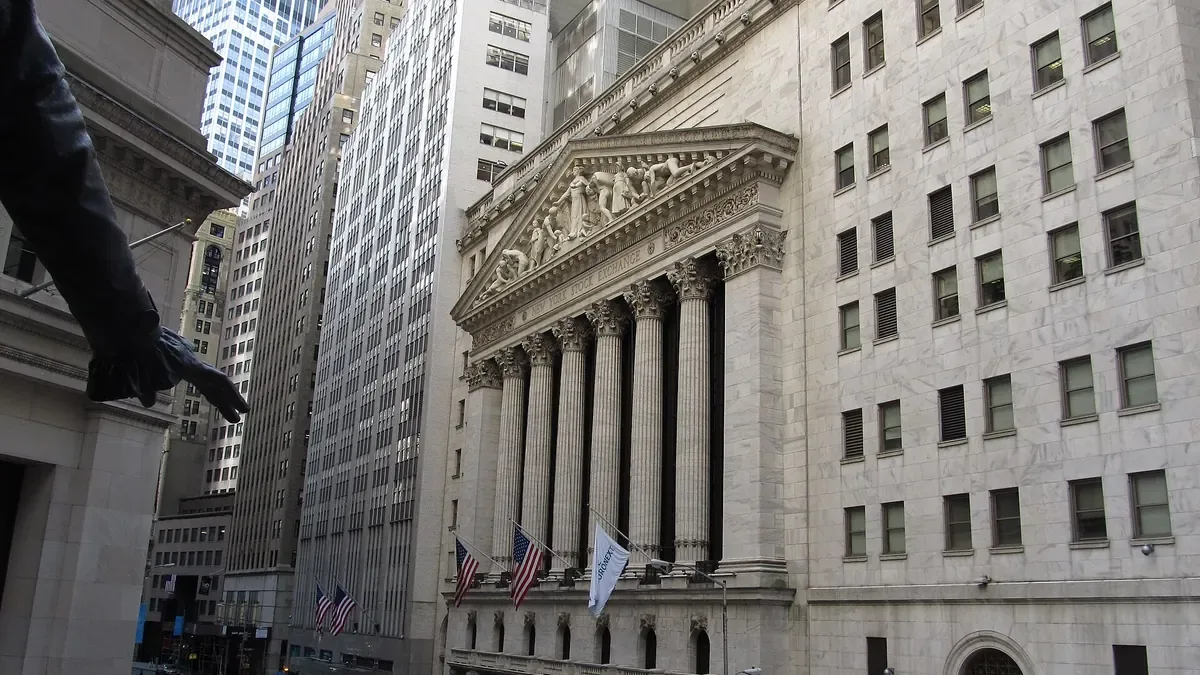
Image: Wikimedia Commons / Ken Lund, CC BY-SA 2.0
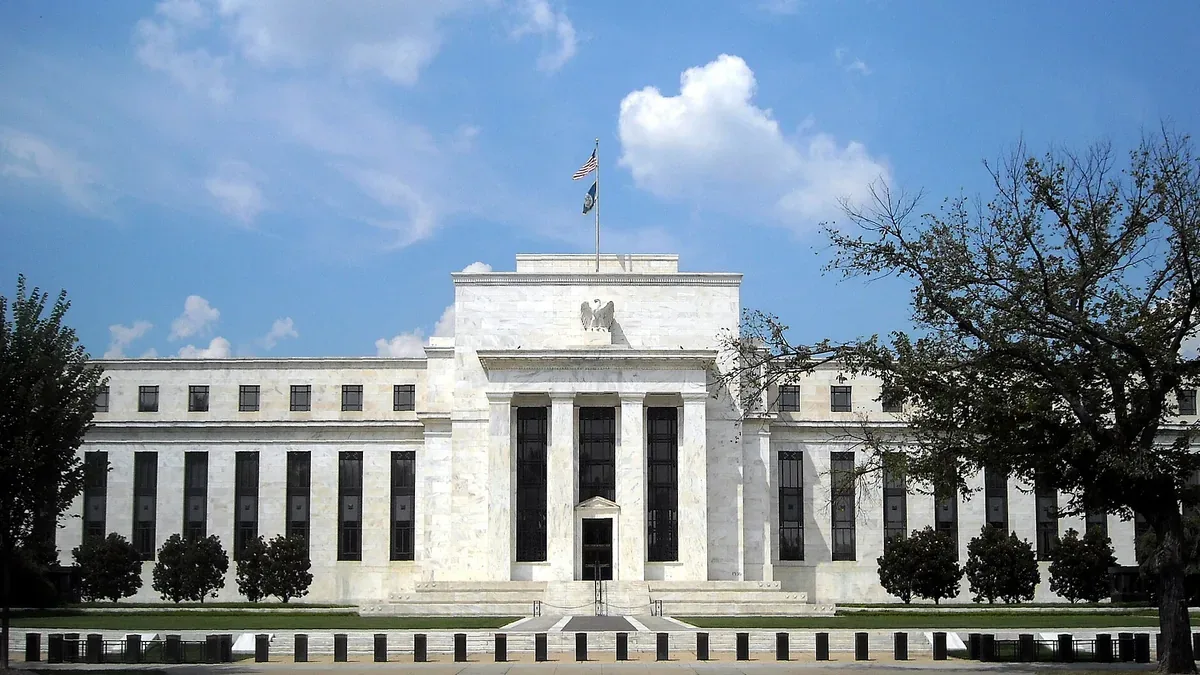
WASHINGTON, Nov. 10 — The Commodity Futures Trading Commission has warned Kalshi that enforcement charges could come soon over how the prediction-market platform notified the regulator about dozens of new betting contracts, according to a person with direct knowledge of the matter. The warning, delivered privately, signals a months-long investigation may be nearing a decision.
Kalshi, valued at $40 billion, is the largest federally regulated prediction market in the United States, letting users trade contracts on elections, sport, economic data and government policy. The probe centres on self-certification, under which exchanges can list new products as soon as the next day without advance CFTC approval, provided they certify the contracts meet federal rules.
Key Takeaways
- The CFTC has warned Kalshi that charges could be imminent over failures to notify the agency properly about dozens of new products.
- The probe focuses on self-certification, which lets exchanges list new contracts within a day of filing.
- Kalshi calls it a procedural error covering a handful of contracts, many of which were never live.
- The warning comes as Democrats prepare tougher oversight and states pursue their own cases.
What Is Self-Certification and Why Is the CFTC Investigating Kalshi?
Under self-certification, an exchange files a notice with the CFTC stating that a new contract complies with federal law, and trading can begin the next day. In July, the CFTC warned operators against filing one sweeping certification for many contracts at once, saying it could obscure whether each product met the rules.
The investigation examines whether Kalshi properly notified the agency about dozens of products still in development. The CFTC did not immediately respond to requests for comment. Kalshi spokesperson Elisabeth Diana said the warning "is about a procedural error involving the submission of a handful of contracts, many of which weren't live,".
How the Kalshi Probe Affects Prediction Market Users and Traders
Kalshi continues to operate, and the company has given no indication that existing contracts are affected. The contracts at issue were largely still in development, and many were never offered to traders. Users in live markets face no announced change.
The scrutiny comes as market infrastructure changes, with the New York Stock Exchange moving toward tokenised settlement of stocks. Washington's focus on consumer financial products is also rising, with bipartisan support building for a 10 percent cap on credit card interest rates.
| Date | Development |
|---|---|
| July 2026 | CFTC warns against one sweeping certification for many contracts |
| Oct. 27, 2026 | CFTC sues Utah over Kalshi gambling laws |
| Oct. 28, 2026 | Utah files criminal charges against Kalshi |
| Nov. 4, 2026 | Arkansas sues Kalshi under consumer-protection law |
| Nov. 10, 2026 | CFTC warns Kalshi that charges could come soon |
What Happens Next for Kalshi and the Prediction Market Industry
The warning comes at a contradictory moment. Under Chairman Michael Selig, the CFTC has backed operators in court fights with states, and it sued Utah in October to block the state from enforcing its gambling laws against Kalshi. Now the same agency is signalling it will police how operators use the fast-track listing process.
Democrats, fresh from midterm wins, plan tougher oversight of prediction markets when the next Congress convenes. Rival Polymarket, valued at $21 billion, faces a separate investigation into whether it broke a 2022 settlement requiring it to keep American traders off its offshore platform.
Frequently Asked Questions
Is Kalshi still operating while the CFTC investigation continues?
Yes. Kalshi continues to operate, and the company has announced no suspension of trading. The warning concerns the notification process for new contracts, many of which were never live, not the platform's existing markets.
What is self-certification for prediction markets?
It lets a federally regulated exchange list a new contract by filing a notice with the CFTC stating that it meets federal rules, with trading able to start the next day. The exchange, not the regulator, confirms compliance.
Are prediction markets legal in the United States?
Kalshi operates as a CFTC-registered exchange, giving its contracts a federal legal basis, but the question is contested. The CFTC has sued Utah to stop the state treating Kalshi contracts as illegal gambling, while Utah and Arkansas have sued. Courts have split, so the legal position varies by state.
The CFTC has not said when it will decide whether to bring charges, and Kalshi has said nothing beyond its spokesperson's statement. Democrats in Congress plan to increase scrutiny of prediction markets when the next Congress convenes in January.