FDA Orders Vision-Loss Warning on All GLP-1 Weight-Loss Drugs
The FDA has ordered every GLP-1 drug, including Ozempic and Wegovy, to carry a warning about a rare eye condition that can cause sudden, permanent vision loss.
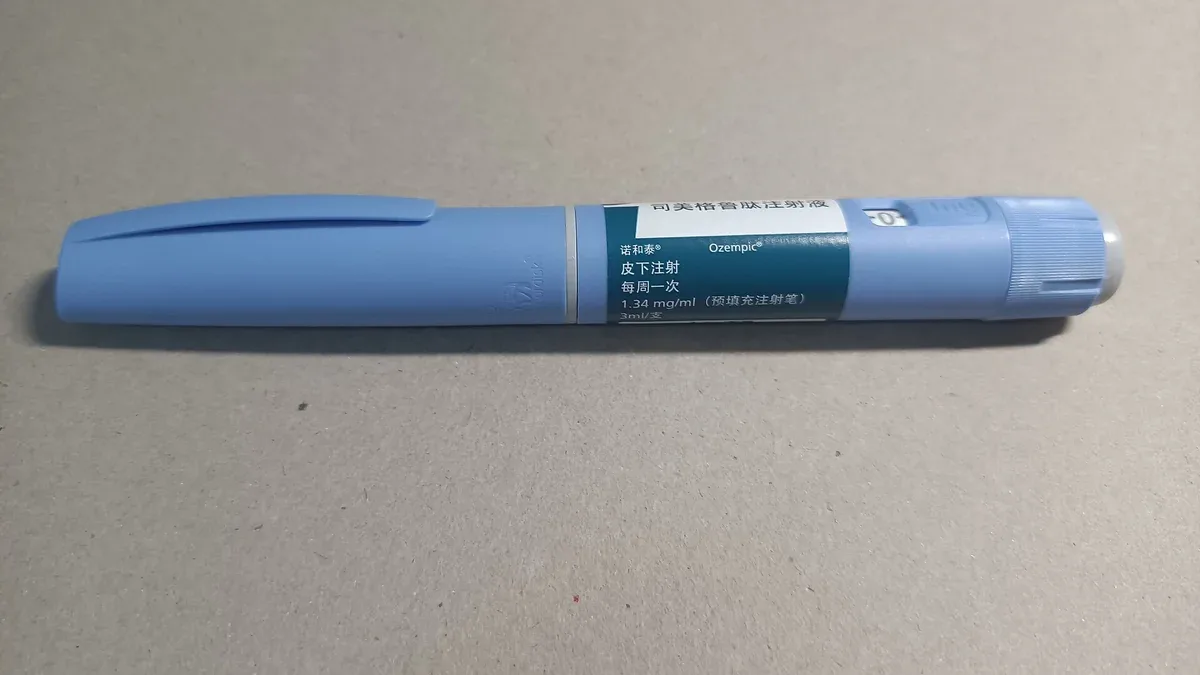
Image: Wikimedia Commons / HualinXMN
WASHINGTON, Nov. 10 — The U.S. Food and Drug Administration on Monday ordered the makers of every GLP-1 weight-loss and diabetes drug sold in the United States to add a warning about a rare eye condition that can cause sudden, permanent vision loss in one eye. The class-wide change covers about a dozen products, including Ozempic, Wegovy, Mounjaro and Zepbound, after a review of 126 clinical trials involving 134,253 patients.
The condition, non-arteritic anterior ischemic optic neuropathy (NAION), occurs when blood flow to the front of the optic nerve falls. The FDA called it a rare condition that can cause acute, painless, decreased vision in one eye, including permanent vision loss. Drugmakers must add the warning to the warnings and precautions section of every GLP-1 label.
Key Takeaways
- The FDA has ordered a NAION warning on all GLP-1 drugs, including Ozempic, Wegovy, Mounjaro and Zepbound.
- Its review of 126 trials (134,253 patients) found 15 probable NAION cases: 10 on a GLP-1 drug, five on a placebo.
- The rate was 6.4 cases per 100,000 patient-years, against 3.8 on a placebo or another diabetes drug.
- The makers dispute a causal link; the FDA says patients should not stop treatment without speaking to a doctor.
What the FDA review found
The FDA said it weighed clinical trial data, animal data and post-marketing reports, having first spotted a possible link in late 2024. Across 126 randomised trials, 15 probable NAION cases were found: 10 on a GLP-1 drug, five on a placebo and none on other diabetes medicines. Adjusted for treatment duration, the rate was 6.4 cases per 100,000 patient-years, against 3.8 on a placebo or another diabetes drug. The review began after a July 2024 study in JAMA Ophthalmology by Mass Eye and Ear researchers linked semaglutide to NAION; regulators in Europe, the United Kingdom, Japan and Australia had already required similar warnings.
| Study or review | What it found |
|---|---|
| FDA trial review | 15 probable cases in 126 trials: 10 on a GLP-1 drug, 5 on placebo |
| Incidence | 6.4 vs 3.8 per 100,000 patient-years (GLP-1 vs placebo or other diabetes drug) |
| 2026 veterans study | 2.33 times the NAION risk of patients on SGLT-2 inhibitors |
| European Medicines Agency | Up to 1 in 10,000 semaglutide users after a year |
Which drugs are covered
The warning applies to every GLP-1 receptor agonist sold in the US, including Ozempic, Wegovy, Rybelsus, Mounjaro, Zepbound, Victoza, Saxenda, Trulicity, Xultophy, Soliqua and Foundayo. NAION cases have been reported with every GLP-1 product on the market. It comes as measles cases pass 5,000 for the first time since 1991, and as older Americans face a projected 22 percent cut to retirement benefits in 2032.
What the drugmakers say
Novo Nordisk, which makes Ozempic and Wegovy, said it continues to believe the data do not establish a cause-and-effect relationship and remains confident in the benefit-risk profile of its medicines. Eli Lilly, which makes Mounjaro and Zepbound, said it is evaluating the update and will respond promptly. Drugmakers could still challenge the order, but the final decision rests with the agency.
What patients should watch for
Warning signs include sudden, painless vision loss in one eye; blurred or missing vision, blind spots or tunnel vision; distorted colours; and reduced central sharpness. Risk factors may include smoking, diabetes, high blood pressure, sleep apnoea, anaemia and kidney disease. There is no proven treatment to restore lost vision. Patients who notice sudden changes should contact their health care provider and should not stop treatment without medical guidance.
Frequently Asked Questions
What is NAION?
Non-arteritic anterior ischemic optic neuropathy occurs when reduced blood flow to the front of the optic nerve causes sudden, painless vision loss in one eye. The damage is usually permanent, with no proven treatment to restore lost sight.
Which drugs does the new warning cover?
Every GLP-1 receptor agonist sold in the US, including Ozempic, Wegovy, Rybelsus, Mounjaro, Zepbound, Victoza, Saxenda, Trulicity, Xultophy, Soliqua and Foundayo.
How large is the risk?
The FDA estimated 6.4 cases per 100,000 patient-years on a GLP-1 drug, against 3.8 on a placebo or another diabetes drug — about 2.6 additional cases per 100,000 patient-years.
Should patients stop taking their GLP-1 drug?
No. The FDA advised patients not to stop treatment without speaking to a doctor first, and to contact their health care provider if they notice sudden vision changes.
The FDA said it will keep monitoring reports of NAION in people taking GLP-1 drugs and update its guidance if new evidence emerges.