WHO Warns Superbugs Could Kill 39 Million by 2050: Full Report
The WHO says drug-resistant infections could cause 39 million deaths by 2050, with only 42 of 183 countries fully funding their action plans.
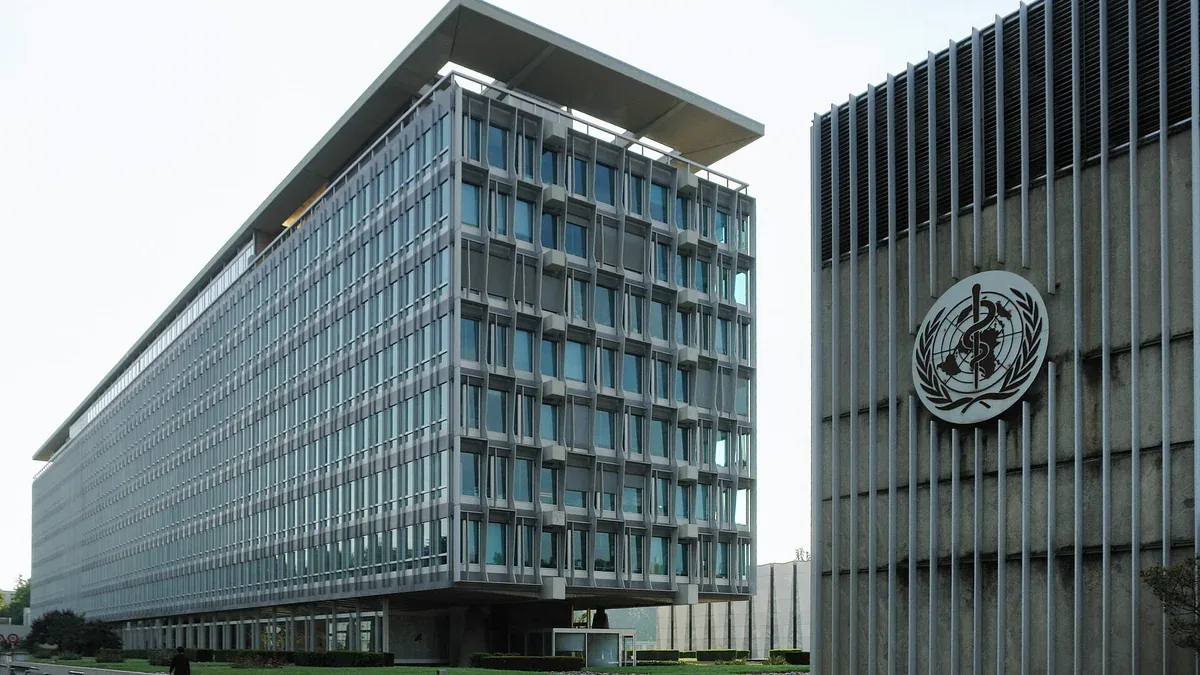
Image: Wikimedia Commons / Yann Forget
GENEVA — The World Health Organization warned on Monday, November 16, that drug-resistant infections are putting modern medicine at risk, with only a small share of countries turning promises to fight the threat into funded programmes. The agency said antimicrobial resistance could contribute to more than 39 million deaths worldwide over the next 25 years if current trends continue.
The warning came with the WHO's annual survey of 183 countries, carried out with the United Nations Environment Programme, the World Organization for Animal Health and the Food and Agriculture Organization. It found that 173 countries now have a national action plan, up from 79 in 2017, but only 42 said their plans were financed and implemented.
Key Takeaways
- Drug-resistant infections could contribute to more than 39 million deaths by 2050, the WHO estimates.
- 173 of 183 countries surveyed have an action plan, but only 42 have one that is financed and implemented.
- Only 36% of countries can test for resistance in all the bacteria and fungi the WHO monitors, against an 80% target for 2030.
How Many Deaths Could Antimicrobial Resistance Cause by 2050?
Antimicrobial resistance happens when germs evolve so that the drugs designed to kill them no longer work, often after misuse or overuse of the medicines. In 2021, drug-resistant infections were directly responsible for more than one million deaths and linked to about 4.7 million others, according to the WHO. In 2023, one in six bacterial infections reported to the WHO resisted the antibiotics used to treat it.
"Procedures we now take for granted become far riskier when antibiotics and antimicrobials no longer work," Jean-Pierre Nyemazi, interim head of antimicrobial resistance at the WHO, said. He added that new antibiotics are not keeping pace with the spread of resistance.
Why Are Most Countries Failing to Fund Their Antibiotic Resistance Plans?
The gap between written plans and real action is wide. Nearly nine countries in 10 now have a national action plan, yet fewer than one in four have one that is financed, implemented and monitored. 128 countries have infection prevention programmes, up from 90 in 2018, but only 69, or 38%, have them nationwide, far short of the 90% target for 2030.
Surveillance has grown sharply: 113 countries now monitor antibiotic use, up from 65 in 2017, and 109 track resistance, up from 39. Even so, only 21 countries reported joining the two sets of data together, a step the WHO calls critical to understanding how antibiotic use drives resistance. The United States lost its measles elimination status this month after cases passed 5,000.
What Is the WHO Doing to Improve Antibiotic Resistance Testing?
131 countries have a reference laboratory for common bacteria, but only 66 can test for both bacterial and fungal resistance. Only 36% of countries can test for resistance in all the bacteria and fungi monitored by the WHO, well short of the 80% target for 2030.
The WHO released two toolkits with the findings, one listing the essential tests countries need and another detailing 73 laboratory procedures. Stronger testing shows where resistance is spreading and which drugs still work, the WHO's surveillance chief Sylvia Bertagnolo said.
| Measure | 2026 result | Comparison |
|---|---|---|
| National action plans in place | 173 | Was 79 in 2017 |
| Countries tracking resistance | 109 | Was 39 in 2017 |
| Infection prevention programmes nationwide | 69 (38%) | Target 90% by 2030 |
| Labs testing all monitored bacteria and fungi | 36% | Target 80% by 2030 |
Countries agreed at the United Nations in 2024 to targets for 2030 to tackle a problem the WHO warns could undo decades of medical progress. The warning also comes as the United States reshapes its global health spending.
Frequently Asked Questions
What is antimicrobial resistance and why is it dangerous?
It happens when germs evolve so the medicines used to treat them stop working. Common infections become harder to treat and routine surgery riskier.
Which countries are most at risk from antimicrobial resistance?
The threat is global, and risk is highest where testing is weakest: only 36% of countries can test for resistance in all the bacteria and fungi the WHO monitors.
What can be done to slow the spread of antimicrobial resistance?
The WHO points to using antibiotics only when needed, preventing infections through hygiene and vaccination, and testing to find out which drugs still work.
The next survey is due in 2027.