Midwest Crop Insurance Overcharged: Lawmakers Seek $762M Cut
Four Illinois lawmakers say Midwest corn and soybean farmers are overcharged for federal crop insurance and want USDA to cut premiums by $762 million a year.
Image: Wikimedia Commons / Nyttend
WASHINGTON, Nov. 13, 2026 — Four Illinois lawmakers have asked the United States Department of Agriculture to recalculate federal crop insurance premiums for Midwestern farmers, saying corn and soybean growers have been overcharged for years and could save $762 million a year.
The November 6 letter to the USDA's Risk Management Agency was signed by Senators Dick Durbin and Tammy Duckworth, with Representatives Eric Sorensen and Nikki Budzinski. Sorensen followed it on November 12 with the Fair Premiums for Farmers Act, a bill requiring the agency to study the gap and propose fixes.
Key Takeaways
- Midwest farmers could save $762 million a year if premiums matched loss history — 11 per cent overall, 22 per cent for corn, 19 per cent for soybeans.
- Ten Midwestern states have loss ratios below 0.80, against the 1.0 target — under 80 cents back per premium dollar.
- The USDA can already reset rates under Section 508(i) of the Federal Crop Insurance Act.
- Sorensen's bill would require the agency to study the gap and propose fixes.
How Much Could Midwest Crop Insurance Premiums Fall?
The $762 million figure comes from a North Dakota State University simulation requested by Durbin in August. It modelled bringing the lowest county loss ratios closer to 0.80 and found savings of more than $10 million in each of 12 Midwestern states.
Federal crop insurance is priced so premiums roughly equal payouts over time, a 1.0 loss ratio. Nationally, about 88 cents of every premium dollar is paid back. But in at least 10 Midwestern states, less than 80 cents was paid back between 2006 and 2025.
| Measure | Figure |
|---|---|
| Target loss ratio | 1.00 |
| National average | $0.88 per $1 |
| Ten Midwest states | Under $0.80 per $1 |
| Annual saving | $762 million |
| Midwest cut | 11 per cent |
| Corn | 22 per cent |
| Soybeans | 19 per cent |
Farm costs are climbing: the USDA's September forecast put production costs at nearly $493 billion, up $21.2 billion, with on-farm diesel up 80 per cent. Sorensen called premiums "cost prohibitive" for growers.
Insurance costs are rising: health insurance premiums on the Affordable Care Act marketplaces are set to jump about 14 per cent in 2027, while the crop insurance programme is federally subsidised.
Why Are Midwest Farmers Paying More for Crop Insurance?
Researchers at the University of Illinois have documented the gap since 2023. A 2024 analysis with Ohio State found the Corn Belt "generally has premiums that have exceeded losses in the region." The Risk Management Agency reviews rates on a rotating schedule.
At a House hearing in June, USDA Undersecretary Richard Fordyce said the agency was working on a rating study. The lawmakers say no new powers are needed: Section 508(i) of the Federal Crop Insurance Act directs the Federal Crop Insurance Corporation to review rating methods and adjust premiums it finds excessive.
What Is the Fair Premiums for Farmers Act?
Sorensen's bill would turn the request into a requirement: the Federal Crop Insurance Corporation would study loss ratios by state for every insured commodity, using data from the 10 years before enactment, and propose adjustments.
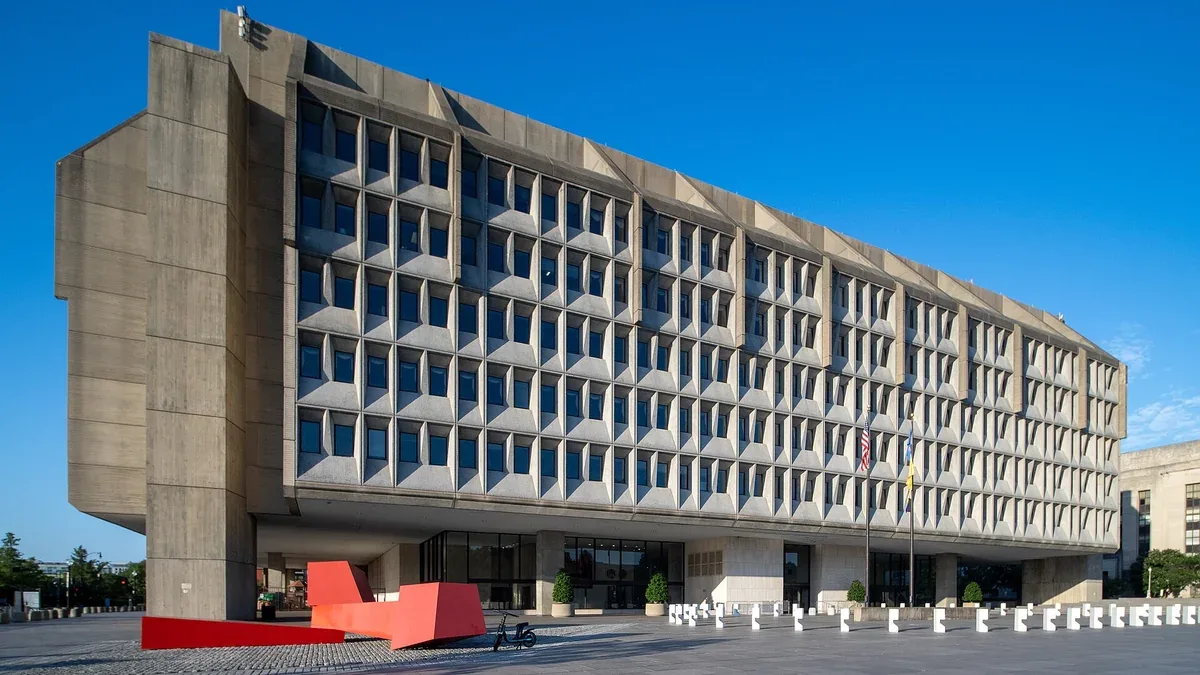
The four lawmakers also asked for refunds for the 2026 crop year once rates are adjusted. The USDA, which also runs food assistance, has not said whether it will open the rate review, and the bill awaits action in the House.
Frequently Asked Questions
How much could crop insurance premiums fall for Midwest farmers?
Under the North Dakota State University simulation, premiums would fall 11 per cent on average — corn down 22 per cent, soybeans down 19 per cent — saving farmers $762 million a year. No cut has been approved yet.
Why do Midwest farmers pay more for crop insurance?
The programme is meant to run at a 1.0 loss ratio, with premiums roughly equal to payouts. In 10 Midwestern states, farmers got back under 80 cents per premium dollar from 2006 to 2025, against about 88 cents nationally.
Does the USDA have to lower crop insurance premiums?
Yes, under Section 508(i) of the Federal Crop Insurance Act, which tells the Federal Crop Insurance Corporation to review rating methods and adjust premiums it finds excessive. The law does not force a cut; Sorensen's bill would require a study and proposed adjustments.
When could Midwest crop insurance premiums change?
There is no timetable yet. The USDA has not said whether it will open the rate review, and the bill awaits action in the House. Refunds for 2026 have also been requested if rates are adjusted.