California Voters Reject Billionaire Wealth Tax: What It Means for Tax Policy
California voters rejected Proposition 40, a one-time 5% tax on billionaires, with 52.8% voting no after opponents spent over $333 million to defeat it.
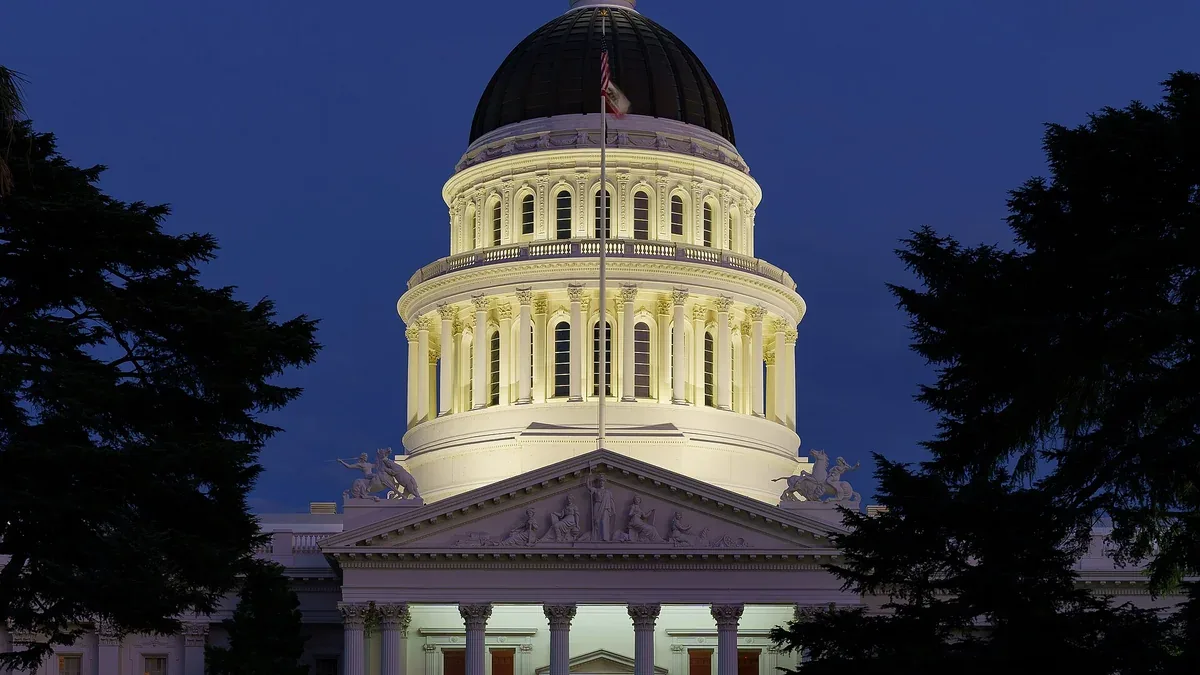
Image: Wikimedia Commons / Frank Schulenburg
Sacramento, November 10, 2026 — California voters have rejected Proposition 40, a ballot measure that would have imposed a one-time 5 percent tax on billionaires’ net worth, by 52.8 percent to 47.2 percent, according to returns published by the California Secretary of State, with 83.3 percent of ballots counted.
The result ends the first attempt by any American state to tax billionaires’ accumulated wealth. San Francisco backed it by about 56 percent, Los Angeles by 53 to 47 percent, but Santa Clara, Marin and San Mateo voted it down.
- Voters rejected Proposition 40 by 52.8 percent to 47.2 percent, per the California Secretary of State, with 83.3 percent of ballots counted.
- The levy would have applied to about 200 billionaires, and the Legislative Analyst’s Office estimated tens of billions of dollars in revenue.
- Opponents led by Building a Better California spent more than $333 million against it, including $102 million from Google co-founder Sergey Brin, per campaign finance filings. Supporters raised $33.5 million.
- Voters also approved Proposition 42, barring new taxes on ownership of financial assets.
What Proposition 40 Would Have Taxed and Who Would Have Paid
Proposition 40 would have imposed a one-time tax of 5 percent on the total net worth of California residents worth more than $1 billion on January 1, 2026. Those who remained residents after that date would have been liable even if they left, and the levy applied to assets rather than annual income — the first tax of its kind in the United States.
It qualified in June with 980,438 valid signatures. The union behind it, SEIU-United Healthcare Workers West, said the tax was needed to shore up healthcare funding, and the state Democratic Party backed it, as did Senator Bernie Sanders. Governor Gavin Newsom opposed it while backing a federal billionaire tax, and Silicon Valley founders and executives gave heavily against it.
How Much Money Proposition 40 Would Have Raised for Healthcare
Ninety percent of the revenue would have gone to healthcare, the rest to education, food assistance and tax administration. The Legislative Analyst’s Office estimated tens of billions of dollars from about 200 billionaires; SEIU-United Healthcare Workers West put it at about $100 billion over five years.
Premiums are rising fastest for households that buy coverage on the marketplace. Supporters argued the money would have steadied a system under strain; critics said billionaires could move assets or leave before payment came due in 2027.
What Happens Next After California Rejected the Billionaire Tax
Proposition 42, a countermeasure backed by the same coalition, passed with about 53 percent in favour, amending the state constitution to bar new taxes on personal property, including financial assets, and to restrict retroactive taxation.
Campaigners in other states had watched California as a test case, and the defeat, combined with Proposition 42, makes a repeat attempt there far harder. The vote came in the November 3 midterms, yet the tax fight split California Democrats, with the governor and the state party on opposite sides. A Berkeley poll found 45 percent favoured taxing billionaires more, but only 46 percent backed the measure itself. The midterm results reshaped the balance of power in Washington.
| Measure | What it proposed | Result | Vote share |
|---|---|---|---|
| Proposition 40 | One-time 5% tax on billionaire net worth | Rejected | 52.8% no, 47.2% yes |
| Proposition 42 | Ban on new asset taxes; limits retroactive taxes | Passed | About 53% yes, 47% no |
Frequently Asked Questions
How much would California’s billionaire tax have raised?
The Legislative Analyst’s Office estimated tens of billions of dollars from about 200 billionaires; SEIU-United Healthcare Workers West put it at about $100 billion over five years.
Who opposed Proposition 40 and how much did they spend?
Building a Better California, backed by Silicon Valley founders and executives including Google co-founder Sergey Brin, spent more than $333 million against it, according to campaign finance filings. Governor Gavin Newsom also opposed it.
Did Proposition 42 pass, and what does it do?
Yes, with about 53 percent in favour. It amends the state constitution to bar new taxes on personal property, including financial assets, and restricts retroactive taxation.
When will California certify the Proposition 40 results?
County officials have up to 30 days to finish counting and certifying, and the Secretary of State is scheduled to post certified results by December 11, 2026. Percentages may shift slightly, but the outcome is not expected to change.
The union behind Proposition 40 has said it will try again in 2028 if the Legislature fails on healthcare funding.