Senate Advances Energy Permitting Reform 73-25: What Changes & What's Next
The Senate voted 73-25 to take up a sweeping permitting overhaul that speeds energy projects and makes data centres pay their grid costs. The House must act.
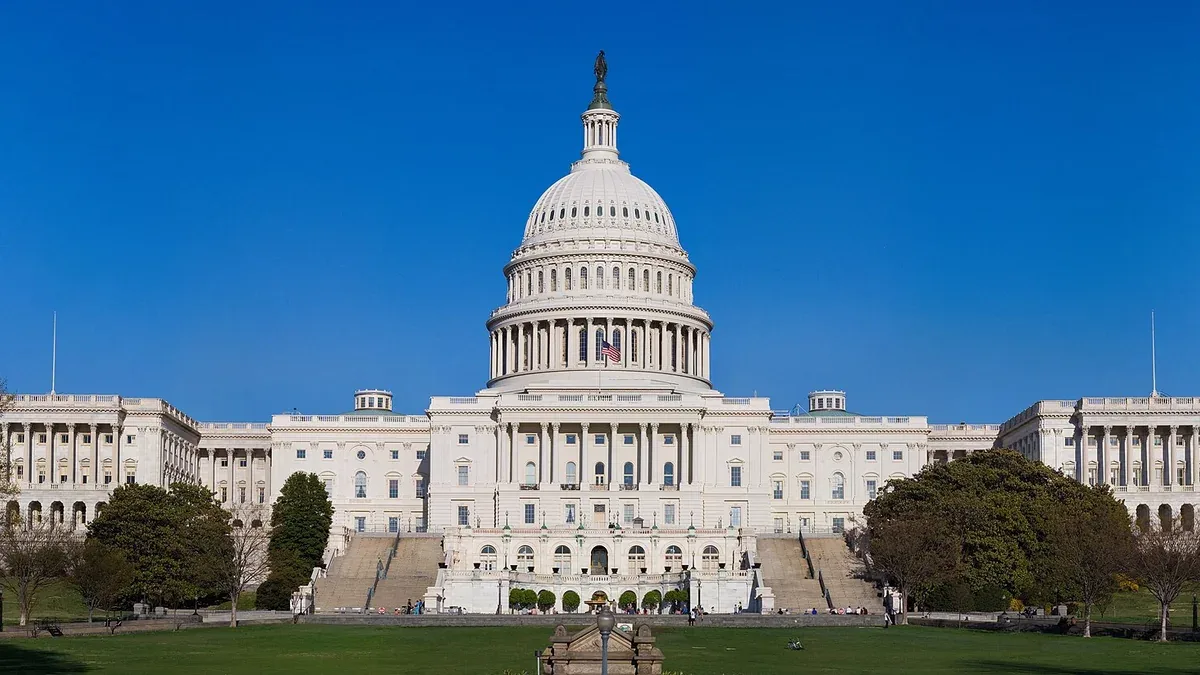
Image: Wikimedia Commons / Noclip
WASHINGTON, Nov. 10 — The United States Senate voted 73-25 on Monday evening to take up the Bipartisan American Affordability and Jobs Act, a sweeping overhaul of federal permitting rules for energy and infrastructure projects. The 5:30 p.m. vote cleared the 60-vote threshold needed to open debate, with 22 Democrats joining Republicans.
The vote is only the first step. The Senate must still clear a second 60-vote hurdle and pass the bill, and the House must act before the 119th Congress ends on January 3, 2027. The White House endorsed the bill, and President Donald Trump said on November 8 that he would sign it.
Key Takeaways
- Senate voted 73-25 on November 9 to open debate on the Bipartisan American Affordability and Jobs Act, a permitting overhaul for energy and data centre projects.
- The bill would shorten federal environmental reviews, narrow legal challenges and stop agencies revoking permits in force.
- Data centre developers would pay both existing grid costs and the cost of new power lines built to serve them.
- The White House backs the bill, but the House must act before January 3, 2027.
What the Senate Permitting Bill Changes for Energy Projects
The bill was introduced on September 30 by the bipartisan leaders of the Senate's environment and energy committees: Senators Shelley Moore Capito, Sheldon Whitehouse, Mike Lee and Martin Heinrich. The measure would rewrite the laws governing federal approval of pipelines, power lines, power plants, highways and other major projects.
It would shorten timelines for reviews under the National Environmental Policy Act and cut the period for legal challenges against new projects. Section 1401 would bar agencies from revoking or changing any permit in effect on or after November 6, 2026, except in narrow circumstances. Supporters say projects wait years for approval; critics cite weaker environmental safeguards and tribal consultation.
How the Bill Makes Data Centres Pay for Grid Costs
Section 2107 addresses a fast-growing strain on the power grid: data centres built to run artificial intelligence systems. It would replace a 1994 Federal Energy Regulatory Commission pricing policy, requiring data centres to pay both for their share of the existing grid and for new lines and substations built to serve them.
The provision lands as technology companies race to build computing capacity. Google agreed this month to buy a Wyoming data centre campus in a $17 billion deal, and utilities in several states warn new data centre demand is pushing up costs for other customers. Backers say it protects households from paying for infrastructure built for large technology users.
What Happens Next for the Permitting Bill in the House
The 73-25 vote exposed splits in both parties. Senator Mike Rounds of South Dakota was the only Republican to vote against taking up the bill, while 23 Democrats and independent Senator Bernie Sanders of Vermont voted no. Senator Catherine Cortez Masto of Nevada voted to proceed while withholding support.
President Trump endorsed the bill but told reporters he will not approve wind turbines. The Senate now moves to an amendment process, with a final vote expected in the coming days or weeks. The vote came on the same day the Senate passed a funding bill to end the record 41-day government shutdown and Wall Street recorded a sharp rebound.
| Key fact | Detail |
|---|---|
| Cloture vote | 73-25, Monday, November 9, 5:30 p.m. ET |
| Votes needed to advance | 60 |
| Democrats voting yes | 22 |
| Republicans voting no | 1 — Mike Rounds of South Dakota |
| Current Congress ends | January 3, 2027 |
Frequently Asked Questions
Does the 73-25 Senate vote mean the permitting bill is now law?
No. The vote was a procedural step to begin debate, not a vote on final passage. The Senate must still pass the bill, the House must approve it and the president must sign it.
How would the permitting bill affect data centre electricity costs?
Section 2107 would make data centres pay both for their share of the existing grid and for new lines and substations built to serve them. The commission would have 270 days after enactment to set the new pricing.
When will the Senate hold a final vote on the permitting bill?
No final vote has been scheduled. The Senate now moves to an amendment process, and the House must act before Congress ends on January 3, 2027.
The Senate is expected to take up amendments in the coming days. The House has not scheduled action, and the bill dies if it is not passed before January 3, 2027.