Supreme Court Lets Trump Build Big Bend Border Wall in Texas
The Supreme Court cleared the Trump administration to build border barriers across Big Bend National Park, lifting a judge's block in a win for the White House.
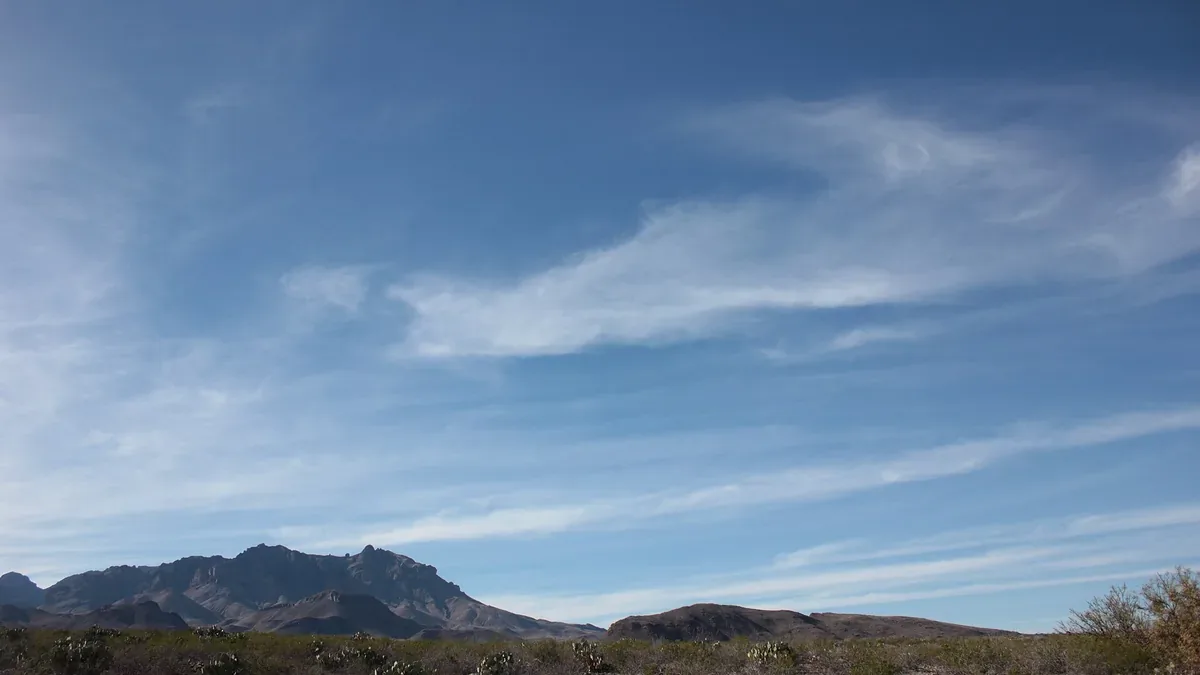
Image: Wikimedia Commons / John Cummings
WASHINGTON, Nov. 9 — The Supreme Court on Monday cleared President Donald Trump's administration to move ahead with border wall construction in Big Bend National Park and the surrounding West Texas border region, lifting a federal judge's order halting the work. The unsigned order hands the White House a win on a signature immigration policy while a lawsuit over the project continues.
The court granted the administration's emergency request to pause Judge Kathleen Cardone's October ruling blocking construction across the Big Bend sector. Justice Ketanji Brown Jackson was the only public dissenter, according to the court's order. The ruling does not decide the case; it lets construction proceed while the challenge moves through the courts.
Key Takeaways
- The Supreme Court lifted a judge's October order blocking border barriers in the Big Bend sector.
- The park gets a 17-mile vehicle barrier system; most work across the 300-mile sector is on private land.
- The project rests on Homeland Security waivers issued from February to July under a 1996 law.
- Justice Jackson was the only public dissenter; the lawsuit continues.
What the ruling allows
The administration told the court most construction in the Big Bend sector, which spans more than 300 miles (480 km) along the Rio Grande, will take place on privately owned land. Inside the park, the plan calls for a 17-mile (27-km) vehicle barrier system, not the 30-foot (9-metre) pedestrian barrier planned elsewhere.
Homeland Security Secretary Markwayne Mullin and his predecessor Kristi Noem issued waivers between February and July letting the project skip environmental and conservation laws, under a 1996 law meant to speed barrier construction in areas of high illegal crossings.
| Detail | Figure |
|---|---|
| Sector length | Over 300 miles (480 km) |
| Park barrier | 17-mile vehicle barrier system |
| Pedestrian barrier | None in the park |
| Waivers | Feb–Jul 2026, Noem and Mullin |
| Lower-court block | Oct 2026, Judge Cardone |
| Supreme Court | Nov. 9, 2026: block lifted |
Why a judge blocked the project
In October, Judge Cardone ruled the waivers lacked clear congressional authorisation and violated the major questions doctrine. She noted the Big Bend sector has, by far, the lowest rate of migrant apprehensions along the entire southern border. "Therefore, if the Big Bend Sector is an area of high illegal entry, so is every other sector," she wrote.
The challengers — the Center for Biological Diversity, a river guide and a group seeking to preserve an adobe church in Ruidosa, Texas — argued the waivers let the government alter "one of the most remote and ecologically and culturally significant landscapes in the United States" without complying with the Endangered Species Act.
A project already paused once
The administration paused construction in Big Bend in August after the plan drew bipartisan criticism over its effect on the park's landscape and wildlife. Crews had already begun clearing land inside the park for roads and border security infrastructure, prompting protests and lawsuits.
The decision lands as immigration adviser Stephen Miller prepares to take over as White House chief of staff, after Trump conceded his deportation policy may have been too tough and floated working with Democrats — remarks that split his own party.
What happens next
With the stay lifted, construction crews can resume work in the sector while the lawsuit proceeds. The case now returns to the lower courts, where the challengers will press their claim that the waivers exceeded the Homeland Security secretary's authority. No hearing date has been set, and the administration has not yet said when work inside the park will restart.
Frequently Asked Questions
What did the Supreme Court decide?
The court lifted a judge's October order blocking border barriers in the Big Bend sector. Justice Ketanji Brown Jackson was the only public dissenter. Construction can proceed while the lawsuit continues.
Will a 30-foot wall be built inside Big Bend National Park?
No. The park gets a 17-mile vehicle barrier system, not the 30-foot pedestrian barrier planned elsewhere. Most work in the wider sector will be on privately owned land.
Why did a judge block the project?
Judge Kathleen Cardone ruled the waivers lacked clear congressional authorisation and violated the major questions doctrine. She noted the Big Bend sector has by far the lowest rate of migrant apprehensions on the southern border.
Does the ruling end the lawsuit?
No. The court only lifted the temporary block on construction. The case — brought by the Center for Biological Diversity, a local river guide and a group preserving a church in Ruidosa — continues in the lower courts.