ACLU Sues to Block Subpoenas Unmasking ICE Critics: What to Know
Four anonymous users ask a federal judge to halt grand jury subpoenas seeking their identities from Meta, X and Bluesky over posts criticising ICE.
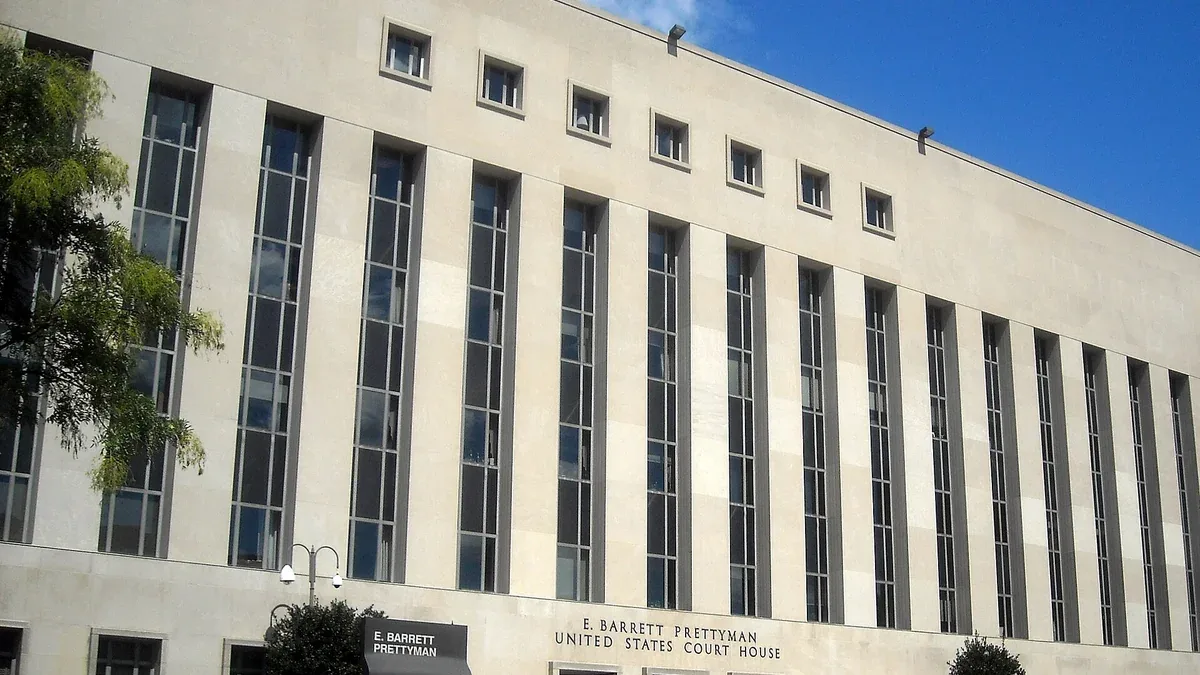
Image: Wikimedia Commons / AgnosticPreachersKid
WASHINGTON — Four anonymous social media users have asked a federal judge to block grand jury subpoenas seeking their identities from Meta, X and Bluesky, after prosecutors demanded account details for people who criticized U.S. Immigration and Customs Enforcement online. The American Civil Liberties Union case became public on Friday, November 27, when the filings were posted on the public docket.
The class action, filed in the U.S. District Court for the District of Columbia on November 16, names U.S. Attorney Jeanine Pirro, Attorney General Todd Blanche and Homeland Security Secretary Markwayne Mullin as defendants. It says the subpoenas form part of an inquiry the office calls "Investigation 18" and seeks an injunction halting it.
Key Takeaways
- Four anonymous users sued November 16; the case was unsealed November 25 and made public November 27.
- Subpoenas went to Bluesky, X and Meta for users' identities; the filings point to at least 35.
- The suit says the inquiry violates the First and Fourth Amendments and seeks a preliminary injunction.
- The government must respond by December 14; a hearing is set for January 6, 2027.
What Is Investigation 18 and Who Is Being Targeted?
The filings say prosecutors in Washington issued the subpoenas to identify people who anonymously posted criticism of the Trump administration's immigration enforcement tactics. The papers point to 35 subpoenas, with the true number likely far higher.
The four plaintiffs are suing under pseudonyms. The papers describe a Bluesky user who wrote about an ICE-related shooting in New York and a college student whose X posts included an expletive aimed at Homeland Security, ICE and the president. "The government is weaponizing the grand jury process to retaliate against people for expressing their political views online," said Laura Moraff, a staff attorney with the ACLU's Speech, Privacy, and Technology Project.
Which Platforms Received the Subpoenas and What Do They Seek?
The subpoenas went to Bluesky, X and Meta for identifying information on the four users, to be provided to ICE investigators, the papers say. Grand jury subpoenas are rarely requested by grand jurors; prosecutors typically request them, with no judge's oversight, according to the ACLU.
In the past year, Homeland Security has sent hundreds of administrative subpoenas to technology companies seeking information about people who criticize ICE online, the ACLU says. Facing pushback, the government shifted to grand jury subpoenas, which are secret and generally harder to challenge. "Using grand jury subpoenas to unmask and intimidate critics of ICE is an alarming abuse of power," said Laura Follansbee, a staff attorney with the ACLU of DC.
What Happens Next in the ACLU Lawsuit Over ICE Critic Subpoenas?
The plaintiffs seek a preliminary injunction halting the investigation and barring the government from forcing companies to hand over their information, plus provisional certification of a class covering others targeted in the same inquiry. The ACLU calls it the first systemic civil challenge to grand jury unmasking subpoenas.
The case follows other court fights over immigration enforcement, including video of ICE arrests on a jet bridge at Seattle-Tacoma airport, and over platform regulation, such as Australia's new digital duty of care law. Boasberg ordered the case unsealed on November 25; the government must respond by December 14, and the hearing is set for January 6, 2027.
| Date | Development |
|---|---|
| Nov 16 | Class action filed under seal |
| Nov 25 | Chief Judge Boasberg orders the case unsealed |
| Nov 27 | Public versions of the complaint and filings posted |
| Dec 11 | Response date on two of the grand jury subpoenas |
| Dec 14 | Government's written response due |
| Jan 6 | Hearing on the request for a preliminary injunction |
Frequently Asked Questions
Can the government use grand jury subpoenas to identify anonymous social media users?
Prosecutors can seek account information from technology companies through grand jury subpoenas, typically requested by prosecutors, with no approval by a judge. The ACLU argues this use violates the First and Fourth Amendments; the court has not yet ruled.
What are the four plaintiffs asking the court to do?
They seek a preliminary injunction halting the investigation and barring the government from forcing companies to hand over their information, plus provisional certification of a class covering others targeted in the same investigation.
When will the court decide the ACLU's request to block the subpoenas?
The government must respond in writing by December 14, and Chief Judge James Boasberg has set a hearing for January 6, 2027. The case is Bluesky Poster 1 v. Pirro, No. 1:26-cv-04054, in the District of Columbia.