Supreme Court Takes Robinhood IPO Case: What It Means for Investors
The Supreme Court will decide whether Robinhood misled investors before its $2.1 billion IPO — a ruling that could rewrite disclosure rules for future listings.
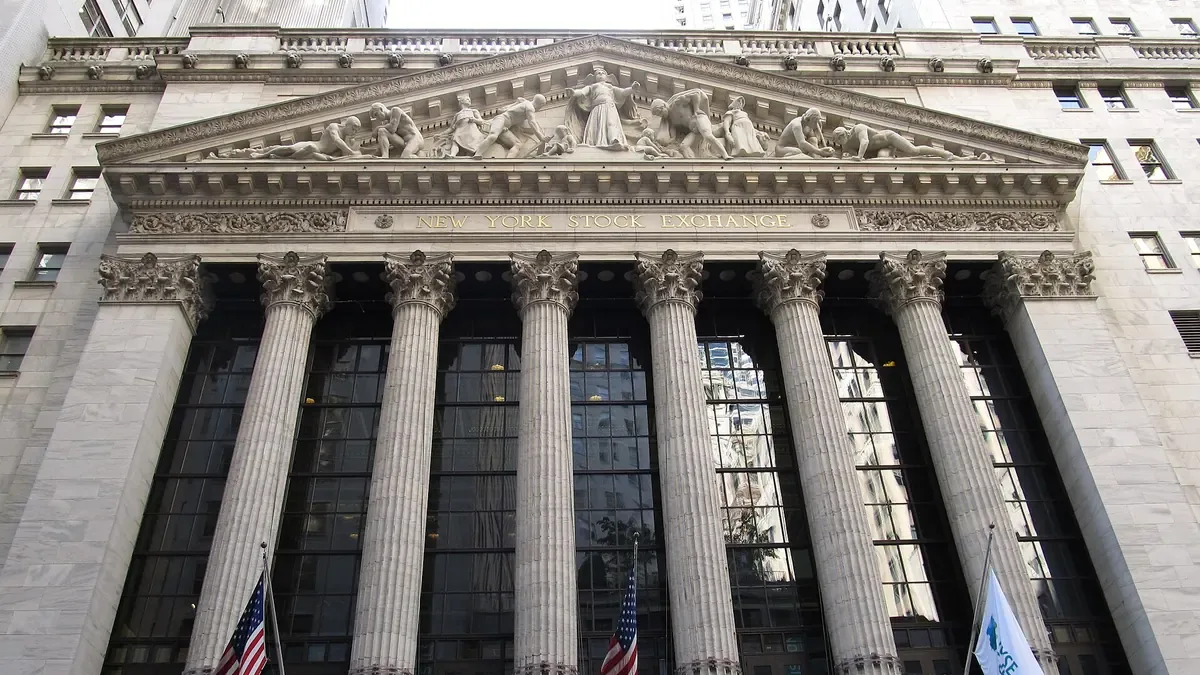
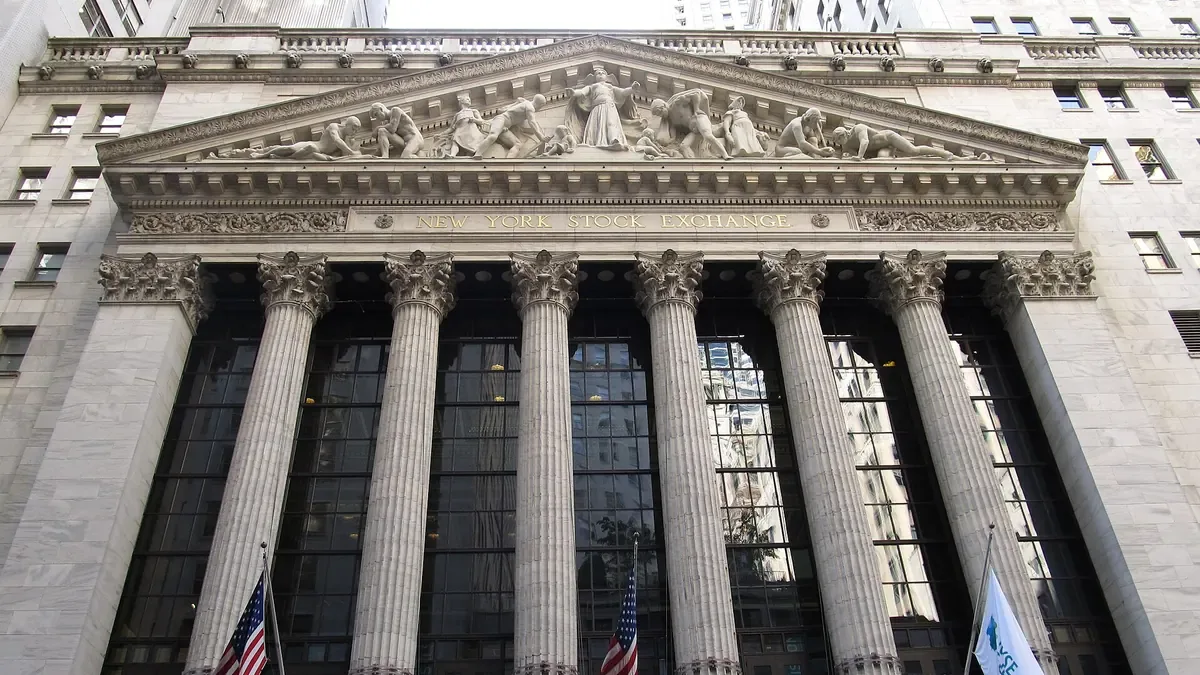
Image: Wikimedia Commons / Ken Lund from Reno, Nevada, USA
WASHINGTON, Nov. 13 — The U.S. Supreme Court agreed on Friday to hear Robinhood Markets’ appeal in a shareholder lawsuit over its July 2021 initial public offering, taking up a question that could reset how much companies must tell investors before they go public.
The case, Robinhood Markets, Inc. v. Sodha, No. 25-944, comes from investors who bought shares tied to the offering. They say the IPO documents failed to disclose that the meme-stock and cryptocurrency boom powering Robinhood’s growth had already faded. Robinhood rejects the claims.
Key Takeaways
- The Supreme Court agreed on Nov. 13 to hear Robinhood’s appeal over its July 2021 IPO disclosures.
- Investors allege the company hid the fading meme-stock and crypto boom; Robinhood denies it.
- A federal judge dismissed the suit in 2024; the 9th Circuit revived it in 2025.
- A ruling is expected by June 2027 and could set disclosure standards for future IPOs.
Why Did the Supreme Court Take the Robinhood IPO Case?
The justices will decide one question: when leaving material interim financial data out of offering documents can create liability under Section 11(a) of the Securities Act of 1933. The court declined a second question on Item 303 of Regulation S-K.
The Trump administration urged the court to take the case and backed Robinhood; the United States filed a brief on Oct. 7 recommending review. Robinhood, which sought review in February, argues the 9th Circuit’s ruling exposes companies to massive liability and duties so broad they risk burying investors in trivial information. The lead plaintiffs are Vinod Sodha and his daughter Amee Sodha.
What Happens If Robinhood Loses the Supreme Court Case?
A ruling against Robinhood would send the proposed class action back to the trial court in San Francisco, where investors would press damage claims tied to IPO shares. The court has not decided whether Robinhood violated securities law or whether investors get damages; it agreed only to settle the legal question.
The stakes reach beyond one brokerage. A win for investors would press IPO issuers to disclose fresher financial results and trend data, even for part of a quarter. A win for Robinhood would narrow shareholder suits over interim numbers left out of IPO paperwork. The justices also agreed on Friday to review the Trump administration’s asylum ban, in a separate case.
How the Robinhood Ruling Could Change IPO Disclosures for Investors
Robinhood went public on July 29, 2021, selling 55 million shares at $38 each, the low end of its $38 to $42 range, raising $2.1 billion and valuing the company at about $31.8 billion. The shares closed the first day at $34.82, down 8.4 percent. Goldman Sachs and J.P. Morgan led the offering.
At the time, Robinhood reported 21.3 million monthly active users, up from 11.7 million at the end of 2020. The suit argues that growth was already reversing when the IPO documents were filed. The answer will shape the paperwork behind every large offering that follows, in a week when Wall Street ended mixed on Friday as the Nasdaq fell.
| Date | Milestone |
|---|---|
| July 29, 2021 | Robinhood IPO: 55 million shares at $38 |
| 2021 | Investors file class action over IPO disclosures |
| 2024 | U.S. District Judge Edward Chen dismisses the suit |
| 2025 | 9th Circuit revives the case |
| February 2026 | Robinhood seeks Supreme Court review |
| Oct. 7, 2026 | U.S. files brief urging review |
| Nov. 13, 2026 | Supreme Court agrees to hear the appeal |
| By June 2027 | Ruling expected |
Frequently Asked Questions
What did Robinhood allegedly fail to disclose before its IPO?
Investors allege the documents hid the fading meme-stock and crypto boom and an exodus of traditional customers. Robinhood denies the claims.
When will the Supreme Court decide the Robinhood case?
The court is expected to hear arguments and rule by the end of June 2027, after granting review on Nov. 13, 2026.
Does the ruling affect Robinhood shareholders now?
No. The court has not decided whether Robinhood broke the law or whether investors get damages. It set only the legal standard for omitted interim data.
What is Section 11 of the Securities Act of 1933?
It is the federal rule letting buyers sue when a registration statement misstates a material fact or omits information needed to avoid misleading investors.
The court has not set a date for oral arguments. Briefing comes first.