Senate Passes Funding Bill to End Record 41-Day Shutdown; House Vote Next
The Senate voted 60-40 to end the longest shutdown in US history, funding the government through January 30 with back pay for 800,000 workers.
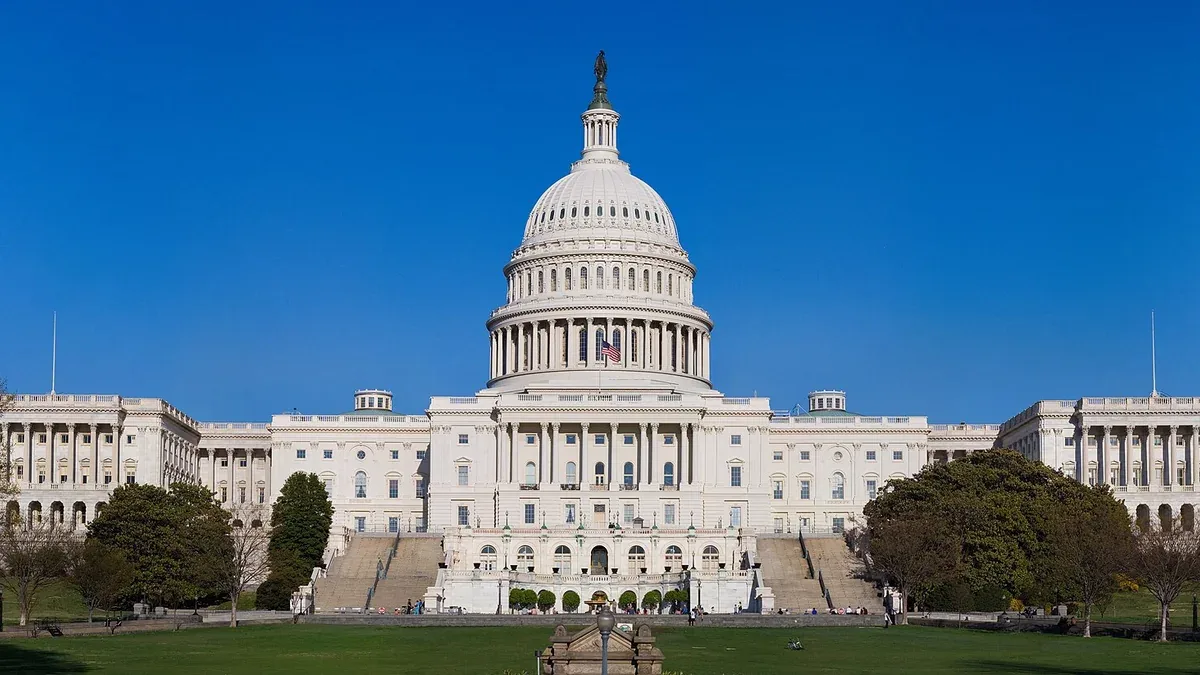
Image: Wikimedia Commons / Noclip
WASHINGTON, Nov. 10 — The United States Senate voted 60-40 late on Monday to pass a funding package that would end the longest government shutdown in American history, sending the bill to the House of Representatives for a vote expected on Wednesday evening.
The shutdown began on October 1, when federal funding lapsed, and has now stretched to 41 days, passing the 35-day record set during the 2018-19 funding lapse. Hundreds of thousands of federal workers have gone unpaid, food assistance for millions of families has been delayed, and flights have been cancelled across the country.
Key Takeaways
- The Senate passed the funding package 60-40 late on Monday, with eight Democrats joining most Republicans.
- Most of the government is funded through January 30, with back pay for nearly 800,000 workers.
- Food aid is funded through September 2026; health subsidies expiring at the end of December are not extended.
- The House Rules Committee advanced the bill overnight; the full House votes on Wednesday evening.
What the deal contains
The package combines the House-passed stopgap bill with three full-year spending bills for agriculture, the legislative branch, and military construction and Veterans Affairs. Those agencies would be funded through September 2026; the rest of the government, at current levels through January 30.
The measure guarantees back pay for nearly 800,000 furloughed and essential federal employees unpaid since October 1, and blocks any layoffs until January 30. Food assistance under the Supplemental Nutrition Assistance Program is funded through September 2026, restoring support delayed for millions of households.
The one major item missing is an extension of Affordable Care Act premium tax credits, which expire at the end of December and help about 24 million Americans buy health insurance. The agreement promises a Senate vote on the credits in December, but no guarantee they will continue.
How the breakthrough happened
The vote broke six weeks of gridlock, after fourteen earlier procedural votes failed. The deal was brokered over the weekend by Senate Majority Leader John Thune, Senators Maggie Hassan, Jeanne Shaheen and Angus King, Appropriations Chair Susan Collins, and White House negotiators, without Democratic leaders’ support.
Eight Democrats broke with their party’s leaders to vote with Republicans: Dick Durbin of Illinois, John Fetterman of Pennsylvania, Maggie Hassan and Jeanne Shaheen of New Hampshire, Tim Kaine of Virginia, Catherine Cortez Masto and Jacky Rosen of Nevada, and independent Angus King of Maine. One Republican voted against the bill. Democrats had sought to tie funding to the health subsidies; the deal offers only a promised future vote.
| Measure | Figure |
|---|---|
| Senate vote | 60-40 |
| Days shut down | 41, the longest ever |
| Federal workers awaiting back pay | Nearly 800,000 |
| Funding extension | Through January 30 |
| Americans on expiring health subsidies | About 24 million |
What happens next
The House Rules Committee advanced the measure overnight, with all Republicans in favour and all Democrats against. The full House is expected to vote on Wednesday evening, and Speaker Mike Johnson expects it to pass soon. If it passes, the president is expected to sign it the same night, and federal agencies would begin reopening within hours. House Republicans are also choosing a new minority leader on Tuesday.
The cost of 41 days
The shutdown has disrupted life well beyond Washington: food benefits for millions of families were delayed, air travel was snarled by controller shortages, and official economic data was held back. With the October inflation report due on Tuesday, the strong October jobs report has raised the odds of a Federal Reserve rate rise in December.
Frequently Asked Questions
Is the government shutdown over?
Not yet. The House must still pass the bill and the president must sign it into law. The full House is expected to vote on Wednesday evening.
When will federal workers be paid?
The deal guarantees back pay for nearly 800,000 furloughed and essential federal employees unpaid since October 1. Pay resumes once agencies reopen.
What happens to health insurance subsidies?
It does not extend the Affordable Care Act premium tax credits, which expire at the end of December and help about 24 million Americans. A Senate vote is promised in December, but that does not guarantee they will continue.
How long was the shutdown?
It began on October 1 and has lasted 41 days, the longest in American history. The previous record was 35 days, set in 2018-19.
The House votes on Wednesday evening. If it passes, the president is expected to sign it the same night, and the government would reopen within hours.