Trump Scraps Food Tariffs: Coffee, Beef Prices, Full List & Impact
President Trump has scrapped reciprocal tariffs on coffee, beef, bananas and more than 200 food items, in a move the White House says will cut grocery prices.
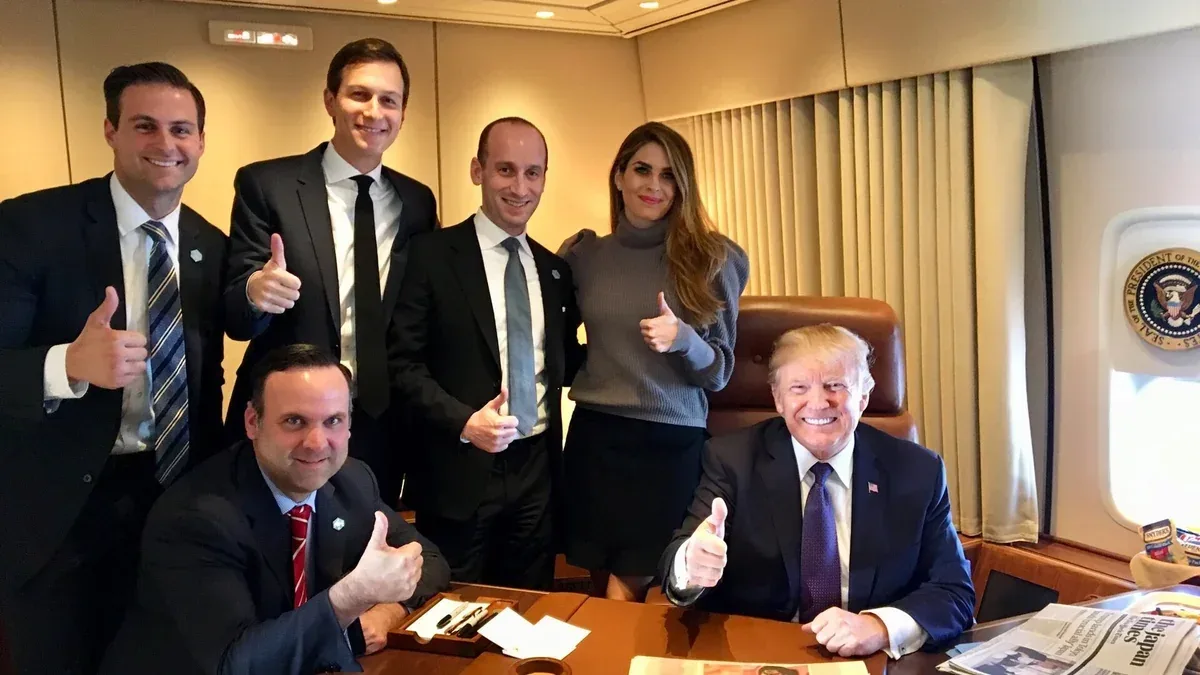
Image: Wikimedia Commons / The White House
WASHINGTON, Nov. 14 — President Donald Trump signed an executive order on Friday scrapping reciprocal tariffs on beef, coffee, tropical fruit and more than 200 other food products, reversing part of the import taxes he imposed in April as pressure grows over grocery prices. The exemptions cover goods the White House said the United States cannot produce in sufficient quantities, and take effect retroactively to 12:01 a.m. on Thursday, Nov. 13, with duties already collected to be refunded.
The order removes the listed goods from the reciprocal tariff rates of 10 to 50 percent, but does not eliminate import taxes on them entirely. The White House said the levies were no longer necessary for the products covered, citing progress in trade agreements since April 2.
Key Takeaways
- More than 200 items are exempt, including coffee, tea, cocoa, spices, bananas, oranges, tomatoes and beef.
- Exemptions apply retroactively to 12:01 a.m. on Nov. 13; duties already collected will be refunded.
- Grocery prices rose 2.7 percent in the year to September; coffee up nearly 20 percent.
- Import taxes on coffee and bananas will also fall under trade deals with four Latin American countries.
What Foods Are Exempt From the Tariff Rollback? Full List
The order adds 237 new subheadings to Annex II of the April tariff order, the list of goods exempt from all reciprocal tariffs. The White House list covers more than 100 products, including coffee and tea, cocoa, vanilla beans and spices, and fruit such as acai, avocados, bananas, coconuts and mangoes.
Beef is covered in detail, including high-quality cuts, bone-in and boneless cuts, corned beef, some frozen items, and salted, brined, dried or smoked meat. Fruit juices and certain fertilisers are also on the list.
“We just did a little bit of a rollback on some foods like coffee,” Mr Trump said aboard Air Force One, adding that coffee prices would fall “in a very short period of time.”
How the Tariff Rollback Affects Grocery and Coffee Prices
Grocery costs and the soaring price of beef have become a political problem for the president, who built his second term around steep levies on imported goods. Mr Trump has long said his tariffs would not raise prices for American consumers, a claim disputed by economic evidence.
Grocery prices were up 2.7 percent from a year earlier in September, according to the U.S. Bureau of Labor Statistics. Coffee from Brazil, the largest U.S. supplier, faced a 50 percent tariff from August, pushing retail prices up nearly 20 percent. Mr Trump has vowed to cut coffee prices by 20 percent this year.
The Food Industry Association welcomed the move. For context, see the administration’s earlier tariff threats and the latest consumer price figures.
When Do the Food Tariff Exemptions Take Effect?
The exemptions took effect at 12:01 a.m. on Thursday, Nov. 13, and importers have been advised to check their exemption status and seek refunds for duties wrongly collected. In a separate step, import taxes on coffee and bananas will fall under trade deals with four Latin American countries.
| Date | What happened |
|---|---|
| April 2, 2026 | Reciprocal tariffs announced. |
| August 2026 | Brazilian coffee faces a 50 percent tariff. |
| September 2026 | Grocery prices up 2.7 percent; coffee up nearly 20 percent. |
| Nov. 13, 2026 | Food exemptions take effect. |
| Nov. 14, 2026 | Mr Trump signs the executive order. |
Frequently Asked Questions
Will coffee prices fall after Trump’s tariff rollback?
Brazilian coffee faced a 50 percent tariff from August, and retail prices were up nearly 20 percent year over year in September. Mr Trump said prices would fall “in a very short period of time,” and he and Treasury Secretary Scott Bessent have vowed a 20 percent cut this year.
Is beef included in the tariff exemptions?
Yes. The White House list covers beef in detail, including high-quality cuts, bone-in and boneless cuts, corned beef and some frozen items.
Do the exemptions remove all tariffs on food imports?
No. The order removes the listed goods from the reciprocal rates of 10 to 50 percent, but other duties and customs rules still apply, and some subheadings are only partly exempt.
Why did Trump reverse tariffs on food now?
The White House said the products cannot be produced in sufficient quantities in the United States and pointed to progress in trade agreements since April. Grocery prices remain a political issue, up 2.7 percent in the year to September.
The coming consumer price figures will show whether the exemptions are reaching shoppers.