USDA Proposes SNAP Cuts for 6.3 Million: Who Loses Benefits & When
The USDA says 6.3 million Americans would lose food stamps under its proposed SNAP rule, with 1.8 million children also losing free school meals.
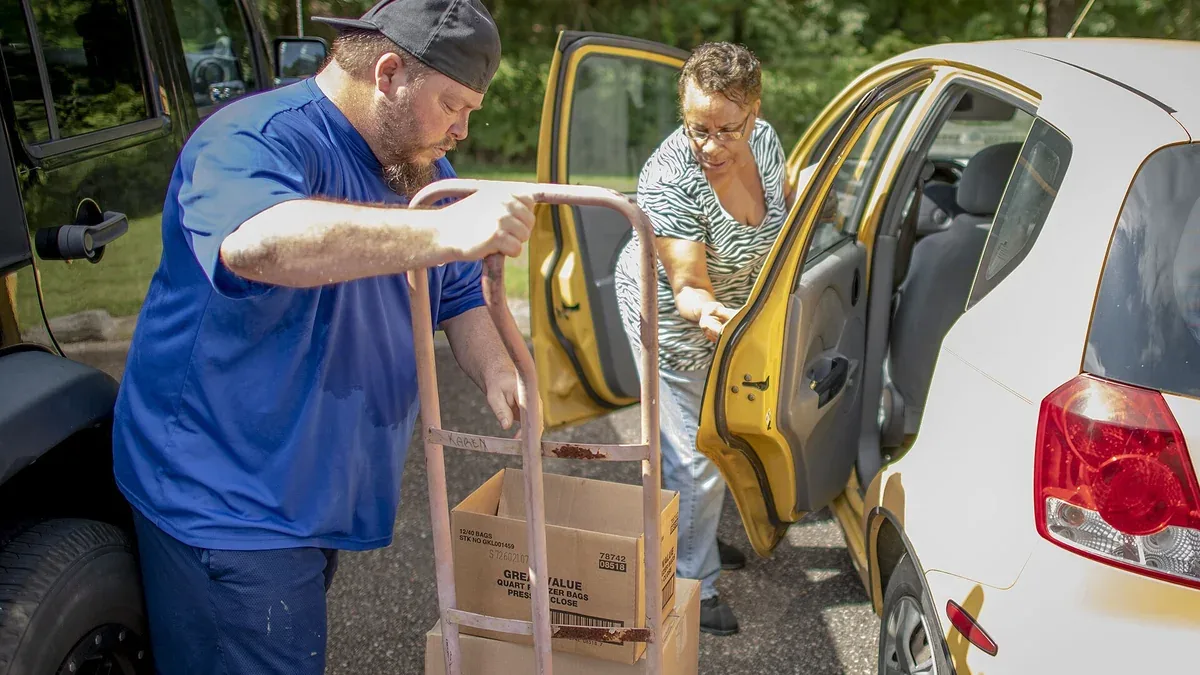
Image: Wikimedia Commons / USDAgov
WASHINGTON, Nov. 12 — The United States Department of Agriculture has proposed a rule ending food assistance for about 6.3 million Americans, its own analysis shows. Published Tuesday in the Federal Register and signed by Deputy Agriculture Secretary Stephen Vaden, it would end a policy letting states qualify households for food stamps without applying the program's federal income and asset limits.
The policy, known as broad-based categorical eligibility, is used by 46 states and territories. Under it, only households receiving cash assistance under the Temporary Assistance for Needy Families program would qualify automatically for SNAP. Households that qualify today through a non-cash service funded by that program would instead have to meet the standard limits, generally 130 percent of the federal poverty level.
Key Takeaways
- About 6.3 million people in 3.2 million households — 17.6 percent of SNAP participants — would lose benefits in fiscal year 2029.
- Federal SNAP spending would fall about $44.6 billion over fiscal years 2027 through 2031, and state spending about $5.2 billion.
- About 1.8 million children would lose automatic eligibility for free school meals, and 42,000 would lose Summer EBT benefits.
- The public can comment through Dec. 10, 2026, before the department decides whether to issue a final rule.
Who Would Lose SNAP Benefits Under the USDA Proposal?
The households most affected are working families earning just above the federal limits. In fiscal year 2024, about 11.5 percent of participating households — 2.5 million households, 5.4 million people — held resources above the federal limit and qualified only through that flexibility. Some states raised the limit to 200 percent of the poverty level.
The department says the change closes a loophole that let households above federal limits qualify for food aid. Agriculture Secretary Brooke Rollins has criticised the policy, saying states stretched it beyond its original purpose. Save the Children, a child nutrition advocacy organisation, said the estimates may understate the full effects, warning added paperwork could push out households that remain eligible.
| Measure | USDA estimate |
|---|---|
| People losing SNAP, fiscal year 2029 | 6.3 million |
| Share of SNAP participants affected | 17.6 percent |
| Federal savings, fiscal years 2027–2031 | $44.6 billion |
How Much Would the SNAP Rule Save the Federal Government?
The USDA's impact analysis puts federal savings at about $44.6 billion over fiscal years 2027 through 2031, with state spending down about $5.2 billion. State administrative costs would rise by about $928.5 million over the same period. It is one of several federal benefit changes in Washington, including a projected 22 percent cut to Social Security benefits in 2032 if Congress takes no action.
SNAP enrollment has already fallen by more than 5 million people since the July 2025 law cut about $180 billion from the program and broadened work requirements, leaving about 36 million enrolled, according to USDA figures. It also follows a political shift: Democrats won control of both chambers of Congress in the midterm elections, after a Senate funding bill ended the record government shutdown.
When Would the SNAP Eligibility Change Take Effect?
The rule would not take effect at once. The USDA is accepting public comments through Dec. 10, 2026, and must review them before a final rule. Even if finalised as written, it would reach full effect in fiscal year 2029.
The proposal is not the first attempt to end the policy. The first Trump administration proposed a nearly identical rule in 2019; the Biden administration withdrew it in 2021. The new proposal revives that effort with updated figures.
Frequently Asked Questions
How many people would lose SNAP benefits under the USDA proposal?
About 6.3 million people in 3.2 million households would lose benefits in fiscal year 2029 — about 17.6 percent of current SNAP participants, according to the USDA's impact analysis.
What is broad-based categorical eligibility for SNAP?
It lets states qualify households for SNAP because they receive a benefit or service funded by the Temporary Assistance for Needy Families program, without applying its income and asset limits. Forty-six states and territories use it.
When does the public comment period for the SNAP rule end?
Comments are open through Dec. 10, 2026, through the federal regulations portal, and the USDA must review them before issuing a final rule.
Will children lose free school meals if the SNAP rule takes effect?
About 1.8 million children would lose automatic eligibility for free school meals, the USDA estimates. About 42,000 would also lose Summer EBT benefits, and 5,500 would lose WIC eligibility.
The USDA has not said when a final rule will follow.