Qatar Secures Two-Week Window to Avert US Attack on Iran: What Happens Next
Qatar has two weeks to broker a US-Iran deal before Washington weighs new strikes, its PM told G7 ministers, but gaps on sanctions and nuclear talks remain.
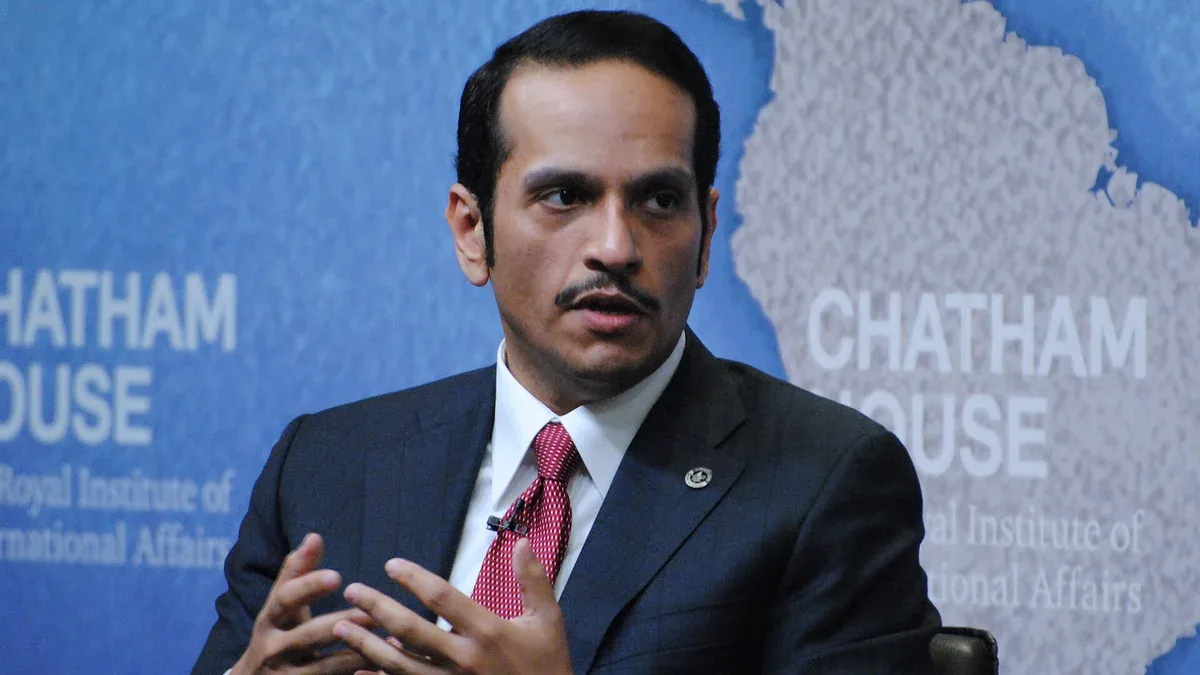
Image: Wikimedia Commons / Chatham House (CC BY 2.0)
PARIS, Nov 10 — Qatar has secured at least two weeks to broker a deal between the United States and Iran before Washington considers resuming military strikes, Qatar's prime minister told foreign ministers from the Group of Seven nations in Paris on Tuesday, in a briefing that showed how far apart the two sides still stand.
Sheikh Mohammed bin Abdulrahman Al Thani flew to Paris after talks at the White House with President Donald Trump and Vice President JD Vance, where he pressed the case for giving diplomacy more time. Qatar has acted as the main channel between Washington and Tehran for weeks.
- Doha has at least two weeks to pursue a US-Iran understanding before Washington weighs new strikes, Qatar's prime minister told G7 ministers.
- Deep gaps remain on the order of steps: lifting the naval blockade, the nuclear question and releasing frozen Iranian funds.
- A draft two-day plan trades a blockade lift and fund releases for IAEA access to bombed nuclear sites and a reopened strait.
How Long Does Qatar Have to Reach a US-Iran Deal Before Strikes Resume?
The window runs to about Nov 24, giving mediators a fortnight to close the gaps. Al Thani told the G7 ministers there was “disagreement over the sequencing of steps, including the lifting of the naval blockade, the nuclear issue, and the unfreezing of Iranian funds.” Qatar's Foreign Ministry said both sides had given “positive responses” and mediation was continuing. The briefing followed Al Thani's White House talks, where Trump said new strikes were unlikely if talks produced a deal.
What Are the Main Disagreements Between the US and Iran?
The dispute turns on the order in which each side moves. Iran has set seven conditions for talks to restart, including lifting the naval blockade, sanctions relief on oil sales and the return of frozen assets. Mediators have circulated a draft plan: Washington would lift the blockade and release some frozen funds while Tehran invited International Atomic Energy Agency inspectors to bombed nuclear sites; on day two the Strait of Hormuz would reopen and nuclear talks resume.
| Phase | What Washington would do | What Tehran would do |
|---|---|---|
| Day 1 | Lift the naval blockade; release some frozen Iranian funds | Invite IAEA inspectors to bombed nuclear sites |
| Day 2 | Resume nuclear talks | Reopen the Strait of Hormuz; talks on enriched uranium |
US Secretary of State Marco Rubio told reporters in Paris that the American economic campaign was working so well that major combat operations were not needed. “We don't need to conduct military strikes if we're achieving the same objective through economic means,” he said. Iran's top security official, Mohsen Rezaei, said no negotiations were taking place, while Foreign Minister Abbas Araghchi said Tehran awaited Washington's answer. Rubio had already told allies he saw no breakthrough.
What Happens If the Two-Week Window Expires Without a Deal?
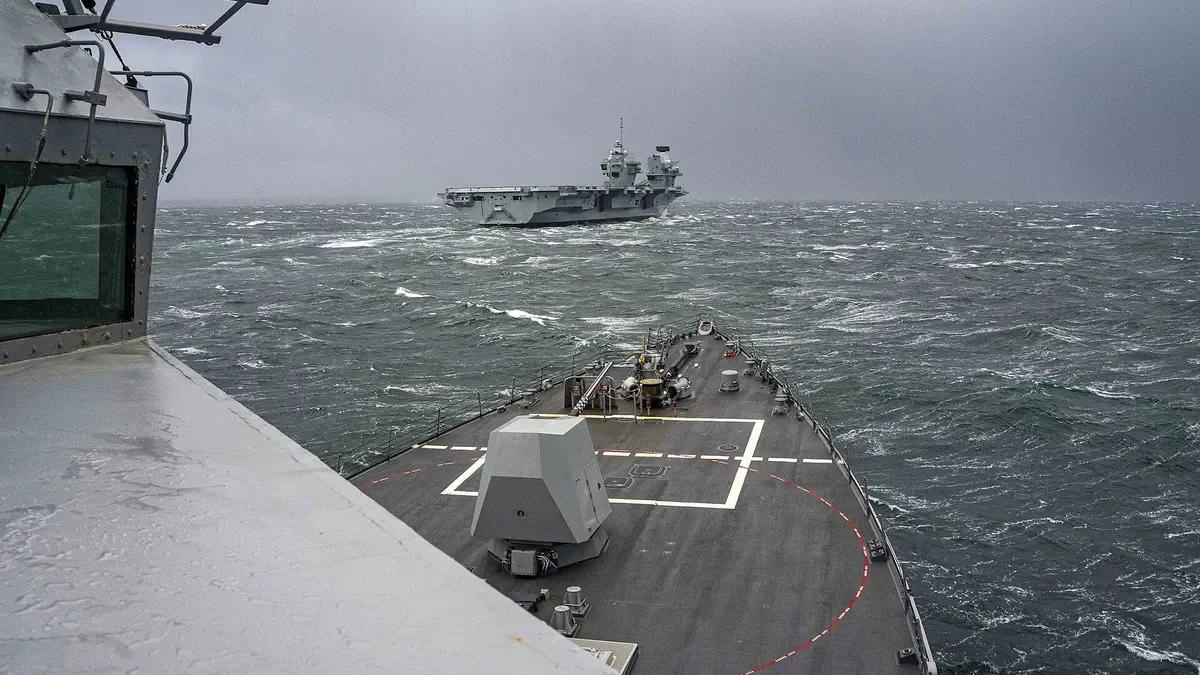
Trump has said fresh strikes are “highly unlikely” if talks produce a strong agreement, while warning that further targets, including bridges, remain mapped if fighting resumes. The United States has twice launched limited strikes on Qeshm Island since early last week, calling them defensive moves to keep tankers moving, and the Pentagon has ordered a third aircraft carrier, the USS Theodore Roosevelt, to the region, though it is not due for at least another two weeks.
Frequently Asked Questions
How long is the two-week window Qatar secured for US-Iran talks?
Al Thani told G7 ministers in Paris that Doha had secured at least two weeks, running to about Nov 24. Qatar's Foreign Ministry said mediation would continue.
What does Iran want before nuclear talks with the US resume?
Iran has set seven conditions, including lifting the naval blockade, sanctions relief on oil sales and the return of frozen assets. Its plan trades IAEA access to bombed nuclear sites for those steps.
Is the United States still threatening to attack Iran?
Trump has said new strikes are highly unlikely if talks produce a strong agreement, while warning targets remain mapped. The United States has twice struck Qeshm Island since early last week.
Why is the Strait of Hormuz central to the US-Iran standoff?
The strait carries a large share of the world's seaborne oil, and Iran has attacked ships passing through it with drones and missiles. Reopening it is step two of the draft plan.
The window runs out around Nov 24, when the next American carrier group is due to reach the region. G7 ministers, who met in Paris, are expected to keep pressing both sides.