Australia AI Copyright Report: 46 Rules, Creator Pay & Likeness Rights
Australia tabled a 46-point AI report backing creator pay and face-and-voice rights, as 7,000 artists led by Kate Bush urged Canberra not to weaken copyright.
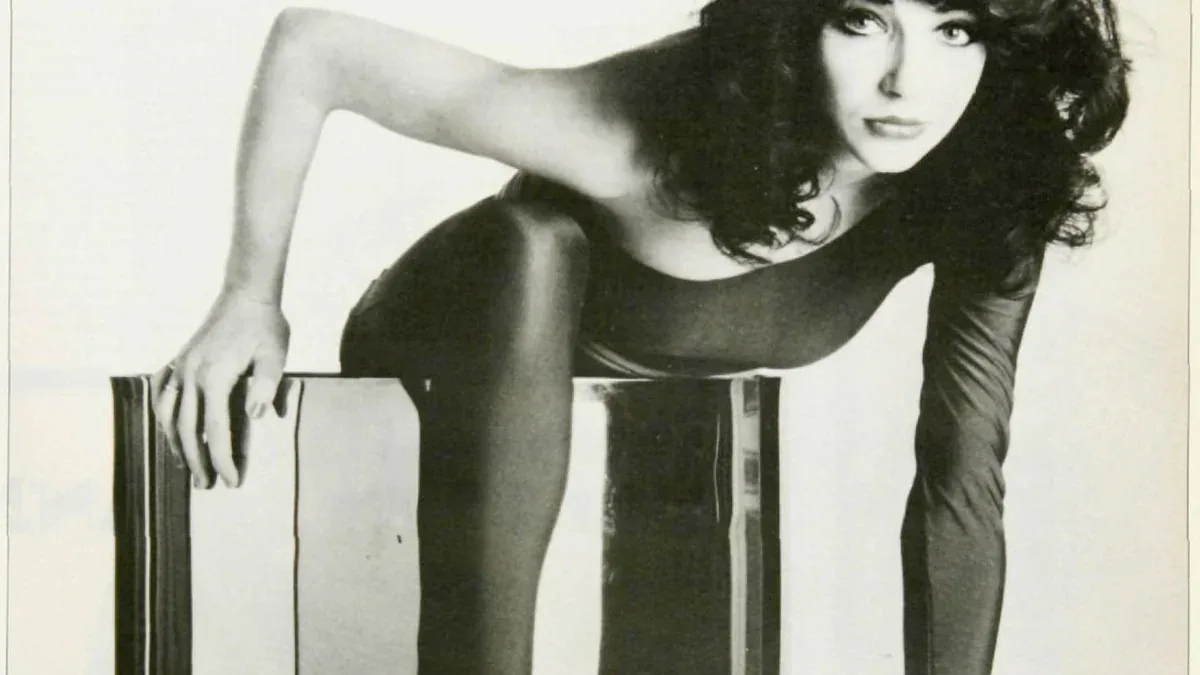
Image: Wikimedia Commons / Gered Mankowitz
CANBERRA, Tuesday 24 November 2026 — Australia's parliament has moved closer to new artificial intelligence rules, tabling a 46-recommendation report backing pay for creators whose work trains AI models and a new right for Australians over their face and voice. The Joint Select Committee on Artificial Intelligence tabled its final report, Artificial Intelligence – the Australian Way, in parliament on Tuesday, a 400-page document from a three-month inquiry.
More than 7,000 artists, including Kate Bush, Grace Jones and Ian Rankin, urged the Australian government on Tuesday not to weaken copyright law. The statement, organised by former technology executive Ed Newton-Rex, said: "The Australian government must not legalise the theft of the work of the world's creators on their soil. Our work must only be used to train AI models in Australia with our explicit permission."
Key Takeaways
- The Joint Select Committee on Artificial Intelligence tabled its 46-recommendation report on Tuesday, 24 November.
- The headline proposal: pay Australian creators when AI firms train models in Australia, backed by strong penalties.
- The committee also recommended a Denmark-style right over face, voice and likeness, covering deepfakes and digital replicas.
- The recommendations are not binding, and the government must still respond.
What the 46 Recommendations Say About AI Copyright and Creator Pay
The headline recommendation is a mechanism to pay Australian creators and rights holders fairly when AI companies train large models in Australia. Payments should flow to creative workers, not just rights holders, and the committee encouraged commercial licensing deals between large rights holders, collecting agencies and AI companies.
The report also calls for AI companies training models in Australia to be transparent about the data they use. That puts the committee at odds with the opt-out model some AI companies favor: Anthropic urged the government last month to consider an opt-out model, letting AI firms train on Australian copyrighted works unless rights holders object. APRA AMCOS, the music rights body, welcomed the report and said opt-out in any form was a red line.
How the Denmark-Style Face, Voice and Likeness Right Would Work
The committee recommended a Denmark-style right for Australians to control how their face, voice and likeness are used, covering deepfakes and digital replicas, alongside stronger protections against generative AI reproducing a creator's work commercially.
Beyond copyright, the report recommends a permanent Parliamentary Joint Standing Committee on AI, a risk-based framework for AI systems, mandatory incident reporting and independent auditing for frontier labs, and early access to new models for Australia's AI regulator and the Australian Signals Directorate.
What Happens Next for Australia's AI Copyright Rules
The recommendations are not binding. Deputy chair Jonathon Duniam, a Liberal senator, called them a "blueprint" for the government, which must formally respond and choose its copyright settings. The government has set an end-of-year deadline to unveil details on national AI standards, which were flagged in July by Prime Minister Anthony Albanese, and licensing talks with AI firms are ongoing.
Not all of the committee agreed. Independent Senator David Pocock is issuing a dissenting report, saying it placed too much trust in the tech companies that gave evidence and urging the government to leave copyright laws alone for at least three years. Chair Jo Briskey dismissed those criticisms, while independent MP Kate Chaney called the report "world leading" and urged immediate action.
| Recommendation | What it would do | Status |
|---|---|---|
| Creator payment mechanism | Pay creators when AI firms train large models | Recommended |
| Face, voice and likeness rights | Denmark-style control over face, voice and likeness | Recommended |
| Training-data transparency | Require AI firms to disclose training-data records | Recommended |
Frequently Asked Questions
Will Australian artists be paid when AI companies train on their work?
Not yet. The committee recommended a payment system for creators and rights holders when AI firms train models in Australia, backed by strong penalties. It is not law, and the government must formally respond and choose its copyright settings.
What is the Denmark-style face and voice right in Australia's AI report?
It is a proposed legal right for Australians to control how their face, voice and likeness are used, modelled on efforts introduced in Denmark. It would cover deepfakes and digital replicas, and protect against AI reproducing a creator's work commercially.
When will Australia decide its AI copyright rules?
The government has set an end-of-year deadline to unveil details on national AI standards, and must formally respond to the 46 recommendations. Licensing talks with AI firms are ongoing, and no decision on copyright settings has been announced.