US, 9 Nations Sign AI Supply-Chain Pact: Full List & What It Means
Ten governments led by the United States signed the San Francisco Declaration on November 15, pledging joint protection for AI supply chains.
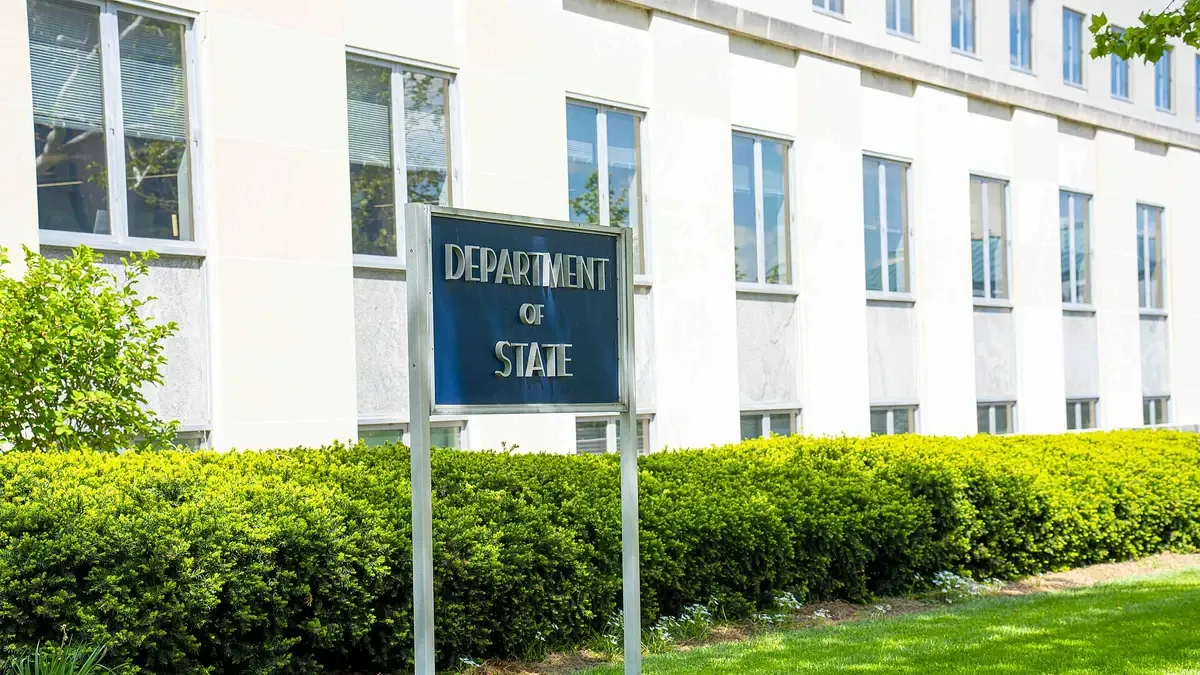
Image: Wikimedia Commons / U.S. Department of State
San Francisco, Sunday, November 15, 2026 — The United States and nine partner governments signed the San Francisco Declaration on the Secure Foundations of Enduring Prosperity, pledging joint protection for the technologies and infrastructure behind advanced artificial intelligence, the US Department of State said. The signing took place at the Pax Silica Founders Retreat, convened by Under Secretary of State Jacob Helberg.
The declaration states that economic security is fundamental to national security and that safeguarding sensitive technologies and critical infrastructure is a “shared endeavour”, and no country could secure the foundations of the emerging “Super Intelligence” era alone, the State Department said.
Key Takeaways
- Ten governments signed on November 15: the United States, Australia, India, Israel, Japan, South Korea, Qatar, Singapore, the United Arab Emirates and the United Kingdom.
- Two asset classes are covered: sensitive technologies and critical infrastructure underpinning advanced AI supply chains.
- Five working groups will follow: policy frameworks, AI adoption, supply-chain cooperation, safe harbours and security hubs, and security and resilience.
- The context is rivalry with China over access to advanced AI chips.
Full List: The 10 Countries That Signed the San Francisco Declaration
It was released jointly by all ten governments, spanning North America, Europe, Asia and the Middle East. Three of them — the United States, Australia and the United Kingdom — also anchor Pax Silica, launched in December 2025 to secure silicon supply chains for semiconductor production.
| Country | Region |
|---|---|
| United States | North America |
| Australia | Oceania |
| United Kingdom | Europe |
| India | Asia |
| Israel | Middle East |
| Japan | Asia |
| South Korea | Asia |
| Qatar | Middle East |
| Singapore | Asia |
| United Arab Emirates | Middle East |
The State Department said the pact moves Pax Silica into a new phase: “the coalition cements its shared principles into a working partnership with a common baseline and a path to act on it”.
What Counts as Sensitive Technology Under the Declaration
The declaration identifies two broad categories of strategic assets the ten governments have agreed to protect. The first covers sensitive technologies: goods, software, materials, knowledge, components and production inputs essential to advanced AI supply chains. It warns that theft or illicit transfer of these technologies to hostile actors could provide military or intelligence advantages or pose risks to national and economic security.
The second category covers critical infrastructure: the physical and digital systems that support AI supply chains and essential services, including ports, transport networks, communications systems, energy networks and digital platforms.
The Five Working Groups and What Happens Next
Five working groups will carry it into practice, covering pro-innovation policy, AI adoption, supply-chain cooperation, safe harbours and security hubs, and AI security and resilience. No dates have been set for their first meetings.
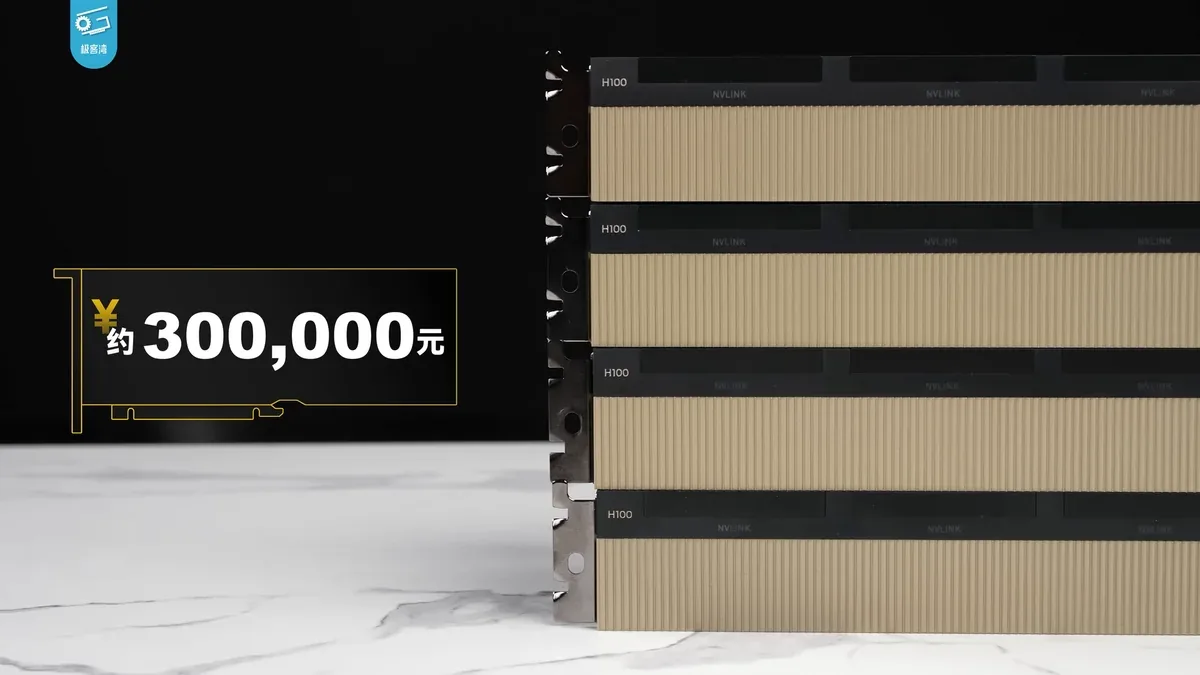
The pact lands amid Washington’s sharpest fight over AI chip exports in years. Treasury Secretary Scott Bessent has given Nvidia’s board ten days to answer export-control questions, and Congress is pressing the Commerce Department over Megaspeed, suspected of routing advanced Nvidia chips to China. Lutnick has been pressed over the Megaspeed decision, and reports have shown Chinese firms using banned Nvidia chips.
The declaration calls the advanced AI systems it covers Super Intelligence, though a footnote notes some participants say artificial intelligence instead. It closes with a joint commitment that “the security of each participant is strengthened by the vigilance of all”.
Frequently Asked Questions
What is the San Francisco Declaration on AI supply chains?
It is a joint statement signed on November 15, 2026, by the United States and nine partner governments, declaring that safeguarding the technologies and infrastructure behind advanced AI supply chains is a shared endeavour.
Which countries signed the San Francisco Declaration?
Ten governments signed: the United States, Australia, India, Israel, Japan, South Korea, Qatar, Singapore, the United Arab Emirates and the United Kingdom.
What is Pax Silica and what does it protect?
Pax Silica is a US-led initiative launched in December 2025 to secure supply chains for silicon and other minerals essential to semiconductor production and artificial intelligence, covering chips, software and manufacturing inputs plus the ports, energy networks and digital systems they depend on.
Does the San Francisco Declaration name China?
No. It does not single out any country by name. It speaks of hostile actors, economic coercion and non-market policies that distort competition, against a backdrop of growing rivalry with China over access to advanced AI chips.
The signing comes two days before leaders gather in Manila on Tuesday for the Quad summit; no date has been set for the working groups’ first meetings.