US Bans AI Chip Rentals to China: New Rule, Countries & Impact
The US Commerce Department now requires licences for remote access to advanced AI chips, closing the cloud route China used to rent computing power abroad.
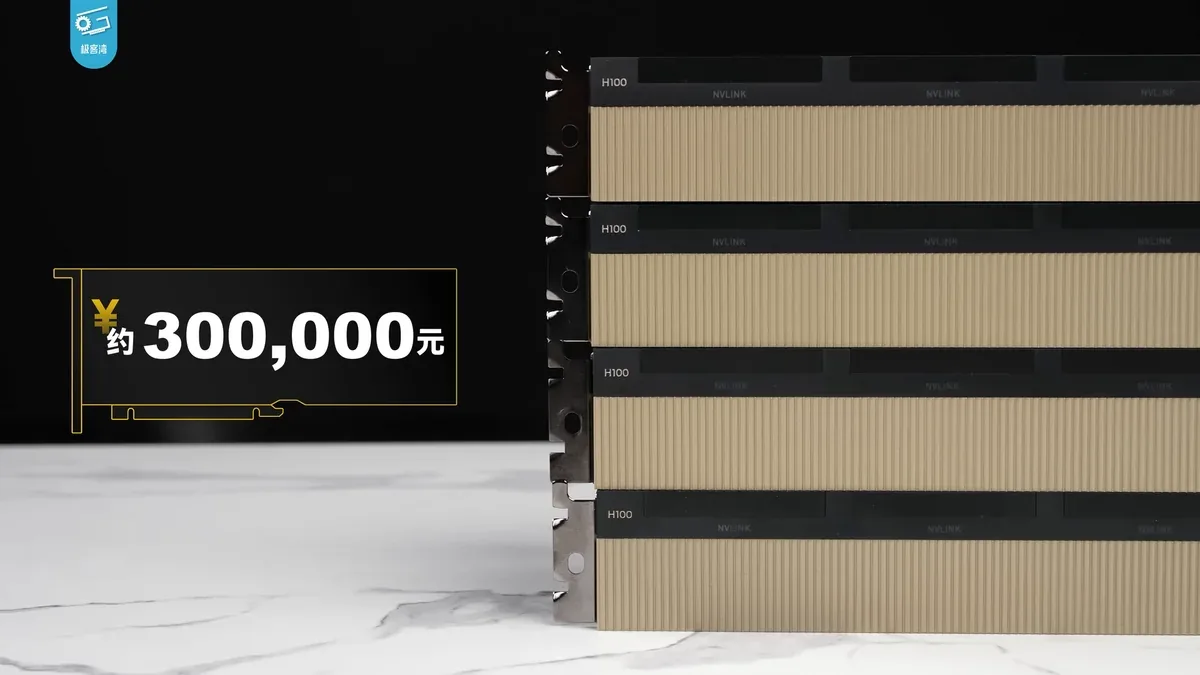
Image: Wikimedia Commons / Geekerwan
WASHINGTON — The United States Commerce Department on Monday issued an interim final rule closing the route that let companies in China rent American artificial intelligence computing power from data centres abroad, requiring licences for remote access to powerful chips and for shipments to five countries named as diversion risks.
The rule, issued at the direction of the Treasury Department and the National Security Council, arrives four days after Jensen Huang resigned from Nvidia. Treasury Secretary Scott Bessent has given the board 10 days to answer whether it pressed illicit chip sales to lift revenue.
Key Takeaways
- A licence is now required above 12 million aggregate total processing performance — roughly 760 of Nvidia's H100 processors — supplied to firms in China, Macau or other restricted destinations.
- Advanced AI chip exports to Singapore, Malaysia, Indonesia, Thailand and Brazil now need licences; all five are named diversion risks.
- The rule scraps the Biden-era AI Diffusion Rule, announced in January 2025 but never enforced.
- Existing data centres have 90 days to seek authorisation; the public has 60 days to comment.
What the New AI Chip Rule Blocks: Remote Access and the 12 Million TPP Limit
Until now, American export controls covered only the physical shipment of advanced chips. The new rule extends them to remote use: a company moving advanced American chips to a data centre must obtain a licence when it knows the centre will supply more than 12 million aggregate total processing performance to firms in China, Macau or other Country Group D:5 destinations. The bureau says existing restrictions cannot be circumvented through remote computing arrangements in third countries.
Foreign data centres, foundries and chip exporters must also run stricter customer checks, and a foreign foundry can no longer clear an advanced chip designed by a Chinese firm with paperwork.
Which Countries Face New AI Chip Licence Rules and Why Singapore Is on the List
The five countries — Singapore, Malaysia, Indonesia, Thailand and Brazil — must now obtain licences for imports of covered advanced chips. The Bureau of Industry and Security named them as higher-than-normal diversion risks. Companies headquartered in the United States are exempt if exporters meet specified reporting requirements.
Singapore is central to the scrutiny. The Justice Department is investigating Singapore-based Megaspeed over suspected semiconductor smuggling, and Bessent said on Sunday he wanted to know whether Nvidia ignored warning signs of shell companies funnelling chips to China. "Were they pressing these seemingly illicit sales to goose their revenues and their earnings?" he asked. He wants answers within 10 days. Lawmakers have summoned Huang and Lutnick to testify in December.
How the Rule Affects Nvidia, Data Centres and the AI Chip Market
The rule lands the day before Nvidia reports results on Tuesday, its first earnings under interim chief executive Colette Kress. Nvidia shares slipped on Monday as investors weighed the administration's widening chip controls alongside the results, and analysts expect earnings per share of about $2.47 on revenue of about $108.9 billion.
For data centre operators, the question is the 90-day window: centres already supplying large volumes of computing power to restricted firms must seek authorisation or face future export restrictions. Anthropic, whose shares are priced on Wednesday, faces the same tightening supply.
| Measure | What changes | Who is affected |
|---|---|---|
| Remote-access licence | Licence above 12 million aggregate TPP to restricted destinations | Data centres worldwide |
| Destination licences | Licences for advanced AI chips to five countries | Exporters to the five countries |
| AI Diffusion Rule | Formally rescinded; never enforced | All exporters |
Frequently Asked Questions
Can China still rent AI computing power from overseas data centres?
Yes. A licence is needed only above 12 million aggregate total processing performance, roughly 760 Nvidia H100 processors, for firms in China, Macau or other restricted destinations.
Which countries need a licence to buy advanced AI chips under the new rule?
Singapore, Malaysia, Indonesia, Thailand and Brazil. Exporters must obtain a licence to ship covered advanced chips there; the five are named diversion risks. American-headquartered companies are exempt if exporters meet reporting requirements.
When does the new US AI chip rule take effect?
The rule takes effect when it is published in the Federal Register. Comments are open for 60 days, and data centres already supplying large volumes of computing power to restricted firms have 90 days to obtain authorisation.
The bureau has not said when the rule will appear in the Federal Register. Nvidia reports earnings on Tuesday and Anthropic's shares are priced on Wednesday.