Williams: Fed Has 'Work to Do' on Inflation as December Hike Looms
New York Fed President John Williams said US inflation is still too high and the Fed has more work to do, keeping a December rate rise firmly in play.
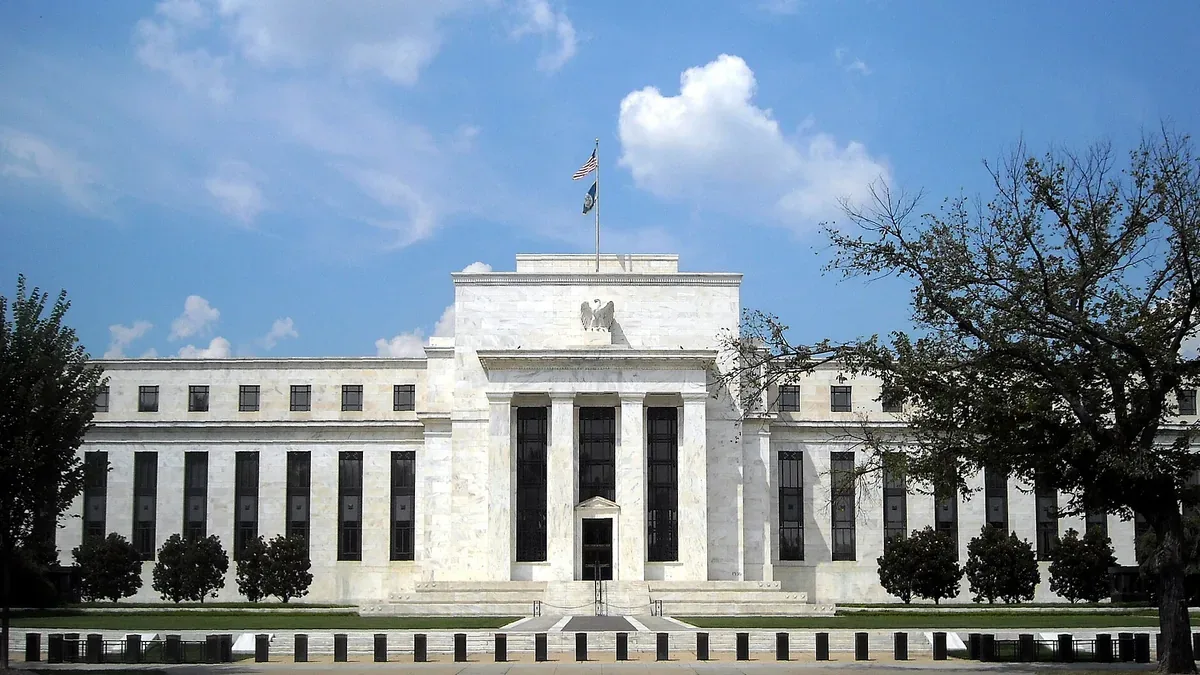
Image: Wikimedia Commons / AgnosticPreachersKid
BRONX, New York — New York Federal Reserve President John Williams said on Monday, November 23, that inflation in the United States remains too high and the Federal Reserve still has work to do to bring it back to its 2% goal, leaving the door open to another interest-rate rise when policymakers meet on December 8 and 9.
“We must take actions over time that will ensure that we get inflation back to our 2% goal in a timely manner and on a sustained basis,” Williams said at the University of Mount Saint Vincent in the Bronx. He stopped short of committing to a December move, saying he would weigh incoming data, but his message kept a quarter-point rise firmly in play.
Key Takeaways
- Williams expects inflation to end 2026 at 3.5%, ease to just above 2% in 2027 and reach the 2% target only in 2028.
- He forecasts growth of 2.75% in 2026 and 2027, with unemployment easing from 4.1% to about 4% next year.
- Markets price about a 96% chance of a quarter-point rise at the December 8-9 meeting, per CME Group’s FedWatch tool.
- His remarks were the last scheduled Fed appearance before the pre-meeting blackout.
What John Williams Said About a December Fed Rate Hike
Williams spoke at 4:00 PM Eastern time on Monday at the University of Mount Saint Vincent. The New York Fed said the visit would end with remarks and questions.
Williams, who votes at every Federal Open Market Committee meeting, stressed that policy works with a lag of one to two years. “Monetary policy works with a lag of one to two years for its maximal effect on the economy,” he said.
He named energy prices, tariffs and artificial-intelligence costs as forces still pushing prices up. His tone contrasted with Treasury Secretary Scott Bessent, who said on Sunday that over-tightening could be a policy mistake.
Williams’ Inflation and Growth Forecasts for 2026, 2027 and 2028
Williams put numbers on the path back. Inflation should finish this year at 3.5%, slow to just above 2% next year and reach 2% only in 2028. September core PCE inflation, the Fed’s preferred gauge, ran at 3.1% year on year, and October consumer prices rose 0.4% in the month.
| Indicator | Williams’ forecast | Current reading |
|---|---|---|
| Inflation, end of 2026 | 3.5% | Core PCE 3.1% year on year (September) |
| Inflation, 2027 | Just above 2% | — |
| Inflation, 2028 | 2% target | — |
| GDP growth, 2026 and 2027 | 2.75% each year | Flash PMI 54.6 (November) |
| Unemployment | About 4% next year | 4.1% now |
| Federal funds rate | Decision December 8-9 | 3.75% to 4.00% |
How a December Fed Rate Hike Would Affect Mortgage, Savings and Loan Rates
A quarter-point rise would lift the federal funds rate to 4.00% to 4.25%, the second rise this year. The rate sets the floor for borrowing, feeding through to credit cards, car loans and the prime rate. Mortgage rates track longer-term yields, but the two-year Treasury yield rose to 4.658% on Monday.
Savers would gain first, as banks typically lift savings rates after a Fed move, while new borrowers face higher costs. The debate is over size, not direction: Governor Christopher Waller has argued for a larger half-point move in December, while Williams has said the situation does not call for dramatic action. Our explainer on how the Federal Reserve sets interest rates lays out the process, and futures markets have already moved on the prospect of a bigger rise.
Frequently Asked Questions
Will the Federal Reserve raise interest rates in December 2026?
Markets expect a quarter-point rise at the December 8-9 meeting, with CME Group’s FedWatch tool putting the chance at about 96%. Williams did not commit, saying he will judge the data first.
When will US inflation return to the Federal Reserve’s 2% target?
Not until 2028, according to Williams. He expects inflation to end 2026 at 3.5% and run just above 2% in 2027.
How does a Fed rate hike affect mortgage rates in the US?
Mortgage rates track longer-term Treasury yields rather than the Fed’s rate directly, but a hike lifts borrowing costs. The two-year yield rose to 4.658% on Monday after Williams spoke.
What inflation data will the Fed see before its December meeting?
The October PCE report and third-quarter GDP figures are due on Wednesday, November 25, at 8:30 AM Eastern time.