How Does the Federal Reserve Set Interest Rates in the US?
The Federal Reserve sets interest rates through the FOMC's target for the federal funds rate. Here is how the decision is made and what it means for your money.
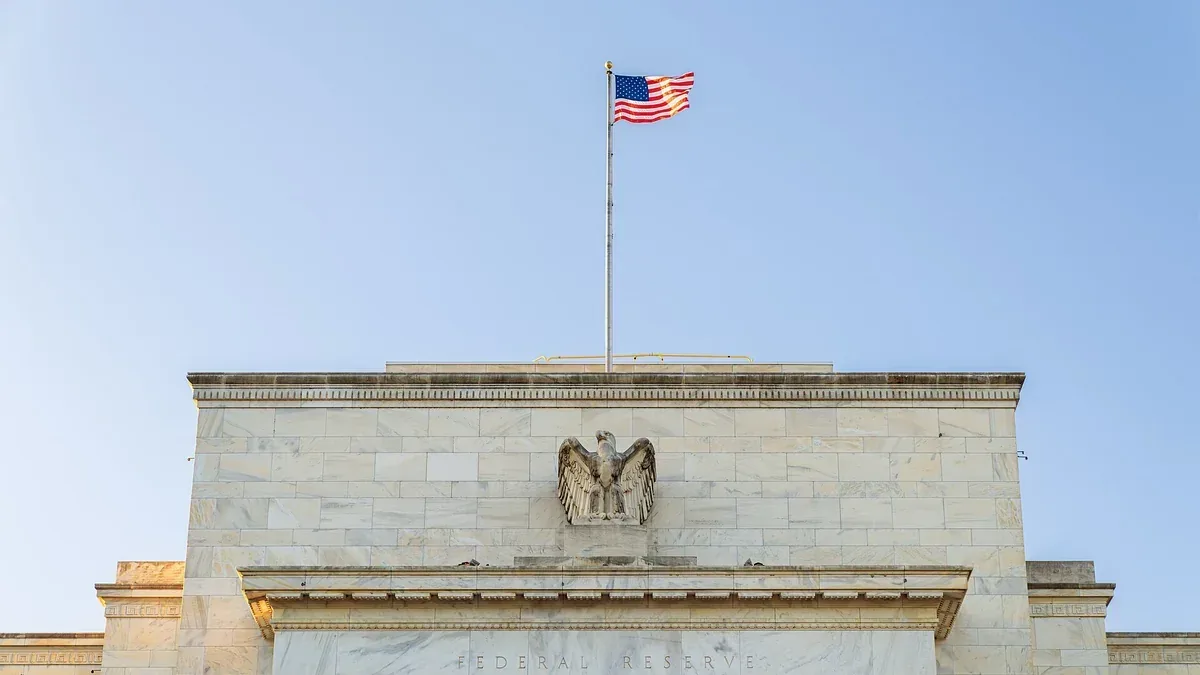
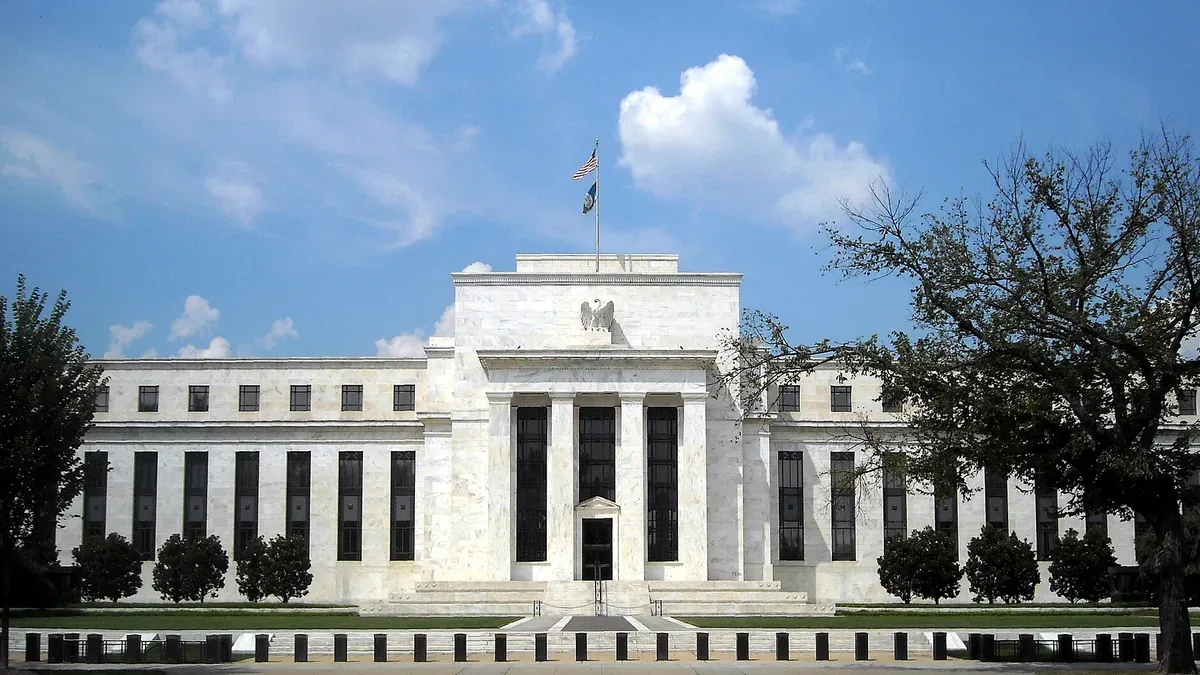
Image: Wikimedia Commons / Tony Webster
How does the Federal Reserve set interest rates? It does not set the rates on your mortgage or credit card directly. Instead, the Federal Open Market Committee (FOMC) sets a target range for the federal funds rate, the overnight rate banks charge each other, and that decision ripples through every loan and savings account in the country.
The FOMC is the Fed's rate-setting body. It has 12 voting members: the seven members of the Board of Governors, the president of the Federal Reserve Bank of New York, and four of the other 11 regional Reserve Bank presidents, who rotate each year. The committee meets eight times a year, reviews jobs, inflation and markets, and announces each decision at 2 p.m. Eastern.
Key Takeaways
- The FOMC sets a target range for the federal funds rate, the overnight rate banks charge each other for reserves.
- The Fed steers it with interest on reserve balances, the overnight reverse repo facility, open market operations and the discount rate.
- As of 19 November 2026, the target range is 3.75% to 4.00%, and the effective rate is 3.88%.
What Is the Federal Funds Rate?
The federal funds rate is what banks charge each other to lend reserves held at the Federal Reserve overnight. Banks hold reserves at the Fed; one that ends the day short borrows from another with a surplus. The FOMC does not fix the exact rate. It sets a target range, and the New York Fed's trading desk works to keep the actual rate inside it. The rate banks actually pay is called the effective federal funds rate, a volume-weighted median of overnight transactions. As of 19 November 2026, the range is 3.75% to 4.00%, set on 17 September 2026, and the effective rate is 3.88%. The committee held the range on 27-28 October, with two members voting for a further rise.
How the Fed Moves Interest Rates
The Fed has four main levers. The most important thing is interest on reserve balances: the Fed pays banks interest on reserves they hold with it, setting a floor under overnight rates, since no bank lends for less than it can earn risk-free at the Fed. The overnight reverse repo facility does the same for a wider set of lenders, including money market funds. Open market operations adjust the supply of reserves by buying or selling Treasury securities. Finally, the discount rate is what the Fed charges banks borrowing directly from it: 4.00% as of 19 November 2026.
| Policy tool | What it does | Who sets it |
|---|---|---|
| Interest on reserve balances | Pays interest on bank reserves at the Fed | Board of Governors |
| Overnight reverse repo facility | Offers a safe overnight rate to money funds | FOMC and New York Fed |
| Open market operations | Buys or sells securities to adjust reserve supply | FOMC and New York Fed |
| Discount rate (primary credit) | Rate for banks borrowing directly from the Fed | Board of Governors |
How Fed Rate Decisions Reach Your Wallet
The federal funds rate is only the starting point. When it rises, banks usually raise the prime rate, the benchmark for variable-rate loans. As of 19 November 2026, the prime rate is 7.00%. Credit card rates, home equity lines and adjustable-rate mortgages tend to follow the prime rate within a billing cycle or two. Fixed-rate mortgages track the 10-year Treasury yield instead, which reacts to expected Fed moves. Savers gain too: higher rates usually mean better yields on savings accounts and certificates of deposit. The Fed's minutes show how officials weigh jobs against inflation, its chair has spoken about rates, jobs and growth, and the latest inflation data is the number the committee watches most closely.
Frequently Asked Questions
Does the Federal Reserve set mortgage rates directly?
No. The Fed targets the overnight federal funds rate. Mortgage rates follow the bond market, mainly the 10-year Treasury yield, which moves on expected Fed policy, inflation and growth.
How often does the Fed change interest rates?
The FOMC meets eight times a year and can change the target range at any scheduled meeting. It can also act between meetings in an emergency, though that is rare.
What is the Fed's inflation target?
The FOMC aims for inflation of 2% over the longer run, measured by the annual change in the price index for personal consumption expenditures.
The FOMC meets again on 8-9 December 2026, when it will release its decision and fresh economic projections.