China Extends Pause on 24% US Tariffs for Two More Months, Keeps 10% Levy
China will keep its additional 24% tariff on US imports suspended for two more months from Tuesday, retaining the 10% levy, as the trade truce runs to January.
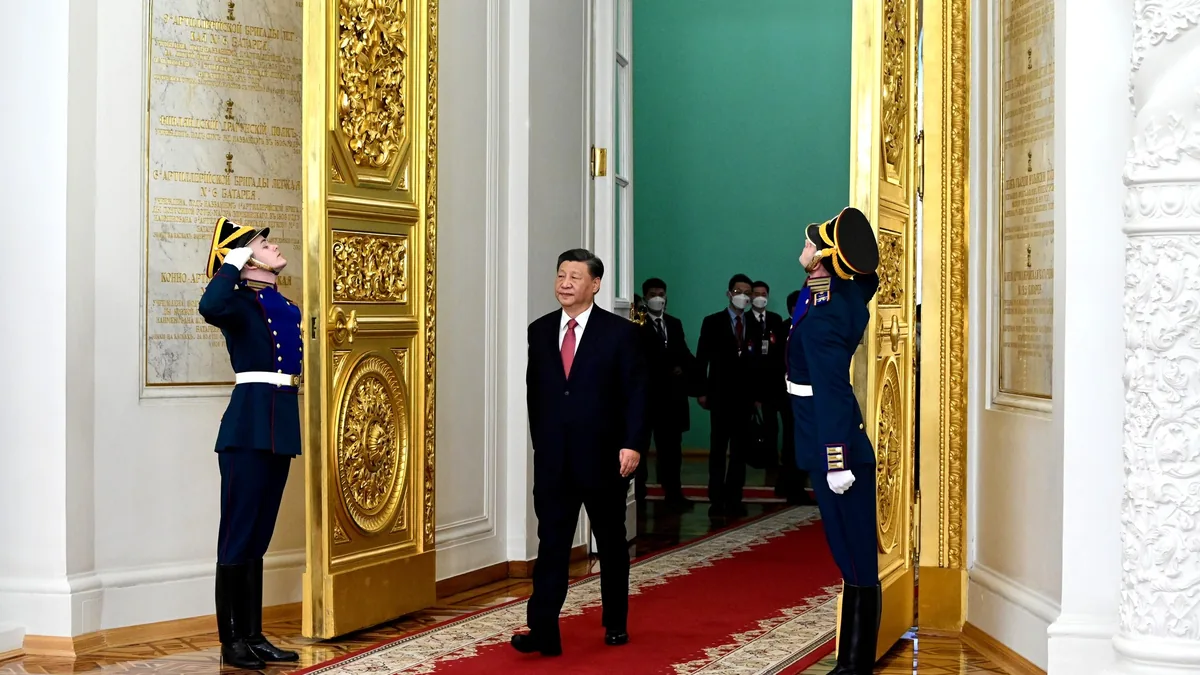
Image: Wikimedia Commons / Presidential Executive Office of Russia
China will keep its additional 24 per cent tariff on imports from the United States suspended for another two months, Beijing announced on Monday, Reuters reported, extending a trade truce between the world's two largest economies that was due to expire on Tuesday. the report.
The Customs Tariff Commission of the State Council said the suspension of the 24 per cent levy would continue for two months from 1.01pm Beijing time on Tuesday, 10 November, while the existing 10 per cent additional tariff on US goods remains in place. China's transport ministry said separately that the suspension of special port fees on US-linked vessels would be extended until 10 January 2027.
Key Takeaways
- China will keep its additional 24 per cent tariff on US imports suspended for another two months from 1.01pm Beijing time on Tuesday, 10 November, while the existing 10 per cent additional tariff remains in place.
- The extension implements the consensus reached at the September summit in Washington between Presidents Donald Trump and Xi Jinping, and the truce now runs through 10 January.
- The two sides have proposed a $60-billion package of reciprocal tariff cuts, including roughly $17 billion of US agricultural goods that China imported in 2024, though the plan has yet to be finalised.
The commission said the extension implements the outcomes and consensus reached at the September summit in Washington between Presidents Donald Trump and Xi Jinping. After talks in Washington on 23 September, US Treasury Secretary Scott Bessent said the two sides had agreed to extend the truce, originally set to expire on 10 November, by two months through 10 January.
The decision matters because it removes an immediate cliff edge for exporters on both sides. Without the extension, the 24 per cent duty would have returned on Tuesday, raising costs for US goods entering China and adding fresh strain to a trade relationship that has steadied only gradually over the past year. The 10 per cent levy that remains in place still leaves a meaningful cost on bilateral trade, but the pause gives negotiators more time to work on a broader arrangement.
The truce itself was struck in Busan, South Korea, in October 2025, when both sides agreed to suspend their mutual 24 per cent levies while leaving the 10 per cent rate in place. Following the September summit in Washington, the two countries proposed a $60-billion package of reciprocal tariff cuts, including roughly $17 billion worth of US agricultural goods that China imported in 2024, though that plan has yet to be finalised.
China also noted that the United States has repeatedly said it intends to use Section 301 tariffs to replace duties imposed under the International Emergency Economic Powers Act that have been held invalid by US courts. Beijing said it would monitor Washington's actions and adjust its tariff countermeasures as necessary.
The truce at a glance
| Item | Detail |
|---|---|
| Additional tariff suspended | 24 per cent |
| Suspension starts | 1.01pm Beijing time, Tuesday 10 November |
| Tariff that remains | 10 per cent |
| Port-fee suspension extended to | 10 January 2027 |
| Truce runs through | 10 January |
| Proposed reciprocal cuts | $60 billion |
| US farm goods in the package | About $17 billion (2024 imports) |
Frequently Asked Questions
How long will the 24 per cent tariff stay suspended?
The suspension continues for two months from 1.01pm Beijing time on Tuesday, 10 November, with the truce running through 10 January.
What tariff on US goods remains in place?
The existing 10 per cent additional tariff on US goods remains in place, so the pause is relief rather than resolution for exporters on both sides.
What happens if the truce is not renewed?
The extension runs until early January, when the truce will again need to be renewed or replaced. Beijing has said it will monitor Washington's actions on Section 301 tariffs and adjust its countermeasures as necessary.
For exporters, the extension removes an immediate cliff edge, but the pause is relief rather than resolution. The test in the coming weeks is whether the two sides can turn the proposed $60-billion package of reciprocal cuts into a finished agreement before the truce runs out on 10 January, and whether the broader negotiations produce a durable settlement rather than another short extension.