Fed Chair Warsh on AI Jobs Risk: Growth, Layoffs & Rates
Fed Chair Kevin Warsh warned AI could lift growth above its long-run average or push unemployment higher, with big implications for rates and jobs.
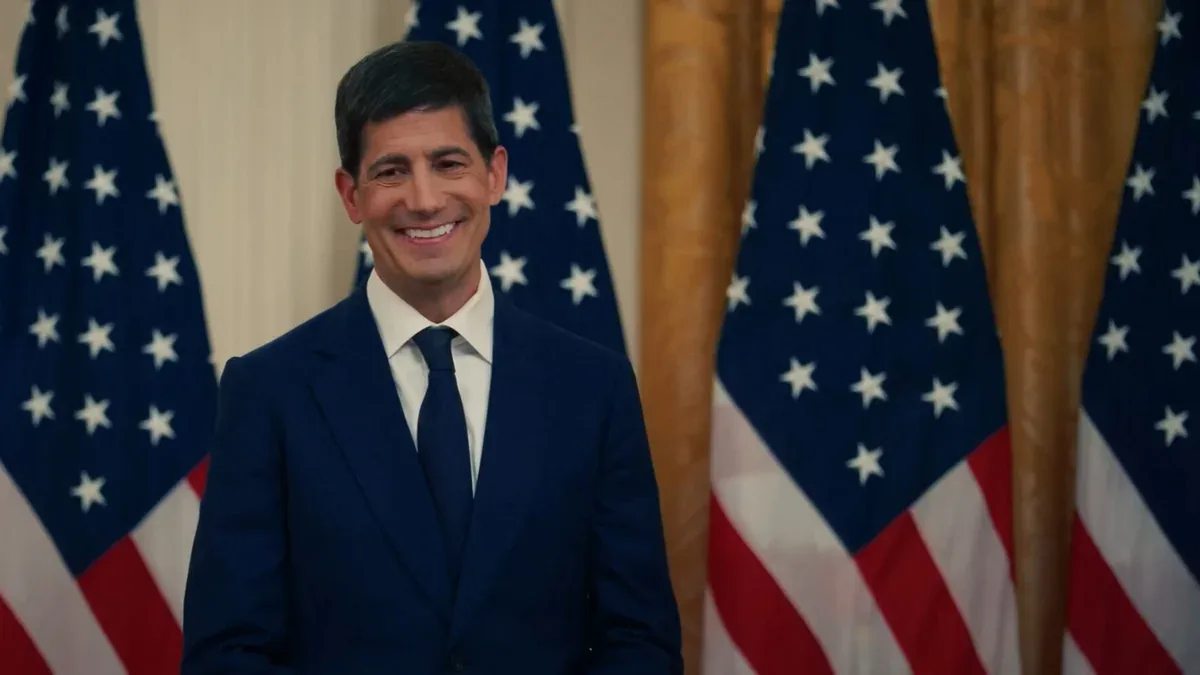
Image: Wikimedia Commons / The White House
SAN FRANCISCO — Federal Reserve Chair Kevin Warsh said on Monday that artificial intelligence — which he calls “super intelligence” — could lift growth above its long-run average or, if it goes wrong, push unemployment higher and drag down share prices. He was speaking at the Federal Reserve’s Productivity and Jobs Task Force Conference.
Warsh gave no signal on interest rates. He said the Federal Reserve’s role was “neither advocacy nor opposition” toward the technology, but warned its spread “will have significant impact on the economy, with important implications for monetary policy down the road.” His remarks came as traders priced in a December rate rise and US stocks fell on Monday ahead of Nvidia’s earnings on Tuesday.
Key Takeaways
- Warsh called “super intelligence” the most transformational force of his adult lifetime, saying it could “supercharge idea generation” and hold growth above its long-run average.
- He set out three staff scenarios: shared gains, job displacement, or a bust in which returns fade and shares fall.
- Productivity has been “reasonably strong” in recent quarters, he said, but has not broken out “definitively and structurally to the upside.”
- He gave no rate guidance; futures markets put a quarter-point December rise above 90%, with the next decision due December 9.
What Fed Chair Warsh Said About AI and US Jobs
Warsh said the current era “may be the most transformational period in my adult lifetime, marked by the arrival of the general-purpose technology called super intelligence.” He argued it differs from past breakthroughs such as electricity because it automates the creation of ideas themselves.
On jobs, he was blunt about the range of outcomes. Federal Reserve staff modelled three illustrative scenarios — Warsh stressed they were not forecasts.
| Scenario | Growth | Jobs | What drives it |
|---|---|---|---|
| Broadly shared gains | Above long-run average | Near full employment | Productivity gains spread across workers and owners of capital |
| Labour disruption | Above long-run average | Unemployment above full-employment level | Automation displaces jobs faster than workers can move |
| Disappointment | Slowdown | Notable rise in unemployment | Expected returns turn down and equity valuations fall |
Warsh also warned the technology “empowers all, including bad actors,” and said the Federal Reserve was thinking “especially of critical infrastructures and their potential vulnerabilities.”
How AI Could Affect Interest Rates and Inflation
Warsh refused to predict the path of rates, saying: “The big questions are about magnitude, scope, and timing. Will this new technology deliver a rise in total factor productivity? When will the surge start, and when will it taper?”
The backdrop is a central bank still fighting inflation. The Federal Reserve held its benchmark rate at 3.75% to 4% on October 28, and core consumer prices rose 0.3% in October for a third straight month. The 10-year Treasury yield stands near 5.15%. The International Monetary Fund has warned AI financing has topped $1 trillion, adding to the demand pressure Warsh described.
When the Fed Will Give More Clarity on AI and Rates
In his opening remarks, Warsh said he expects “much more clarity with the passing of time.” The task force is one of five he set up after taking office in May, chaired by venture capitalist Marc Andreessen. Its findings are due to reach the rate-setting committee by the end of the year.
The next hard evidence arrives quickly. The Federal Reserve publishes minutes of its October 27-28 meeting on Wednesday, November 18, at 2 p.m. Eastern Time, and Nvidia reports earnings on Tuesday after the market close. The Federal Reserve’s next rate decision is due on December 9.
Frequently Asked Questions
What did Fed Chair Kevin Warsh say about AI and jobs?
Warsh said AI could lift growth with near-full employment, displace jobs and push unemployment higher, or disappoint after heavy investment and trigger a slowdown. These were staff scenarios, not forecasts.
Will AI raise or lower interest rates?
Warsh gave no guidance on rates. He said the spread of AI “will have significant impact on the economy, with important implications for monetary policy down the road.” Futures markets put a quarter-point rise at the December 8-9 meeting above 90%.
What is “super intelligence” according to the Fed?
It is Warsh’s term for advanced artificial intelligence, which he describes as a general-purpose technology that could automate the creation of ideas and “supercharge idea generation.”
When will the Fed decide on interest rates next?
The next rate decision is due on December 9. Minutes of the October 27-28 meeting, at which rates were held at 3.75% to 4%, are published on Wednesday, November 18.