October CPI Rises 0.4%, Core 0.3%: December Fed Hike Now in Focus
US prices rose 0.4% in October and core inflation 0.3%, both above forecasts, in the last inflation report before the Federal Reserve's December rate decision.
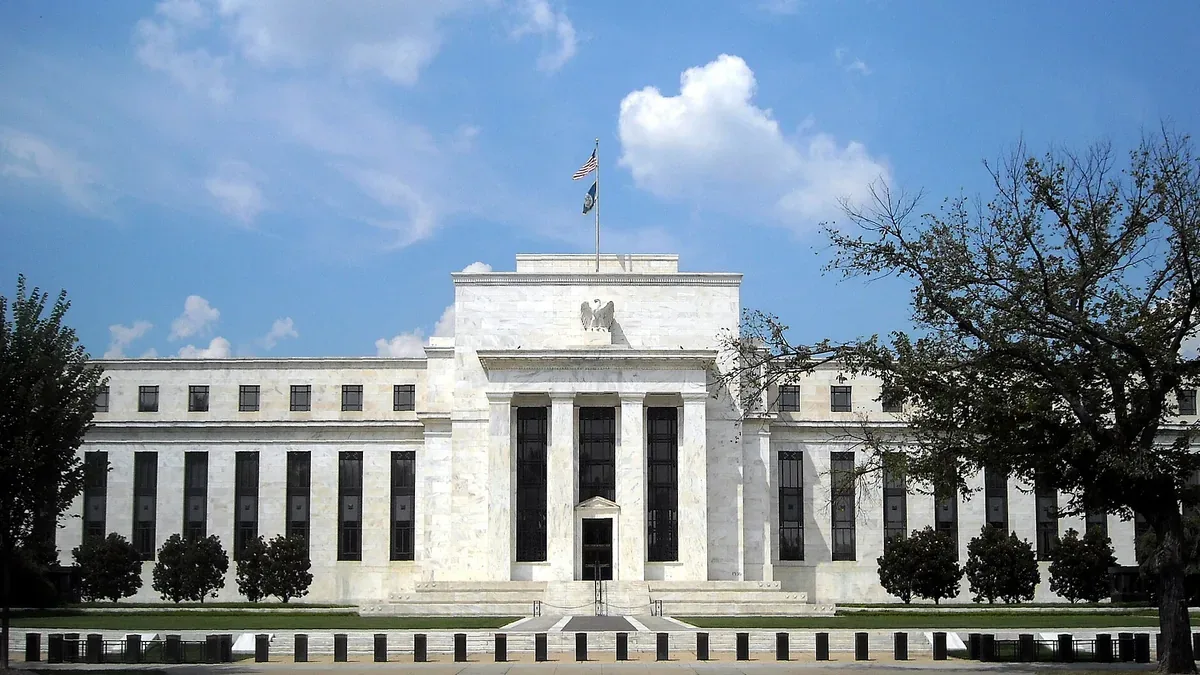
Image: Wikimedia Commons / AgnosticPreachersKid
WASHINGTON, Nov. 10 — U.S. consumer prices rose 0.4% in October, the U.S. Bureau of Labor Statistics said on Tuesday, a hotter reading than economists had expected and the last inflation report before the Federal Reserve decides on interest rates in December.
The core index, which strips out food and energy prices, rose 0.3% for the month, matching September's pace and topping the 0.2% forecast. The all-items index reached 337.511 on the bureau's 1982-84 base.
Key Takeaways
- Headline prices rose 0.4% in October and core prices 0.3%, both above forecasts of 0.3% and 0.2%.
- The bureau published no annual inflation rate: it collected no price data in October 2025.
- Shelter drove more than 30% of the monthly increase, rising 0.3%, while food rose 0.5% and energy 0.7%.
- The report lands four weeks before the Federal Reserve's Dec. 8-9 meeting, where markets priced a better than 80% chance of a quarter-point rise.
How the October CPI Report Affects the December Fed Rate Decision
The Federal Reserve held its target range at 3.75% to 4.00% on Oct. 28. Federal Reserve Governor Christopher Waller said in London on Tuesday that he would back a quarter-point rise in December even if inflation improved, and that a half-point move should be considered if core prices rose 0.3% or more — which is what they did.
The November report is due on Dec. 10, a day after the Fed announces its decision, so the October figures are the last inflation data policymakers will see. A strong jobs report had already lifted bets on a December rise, stocks rallied on Monday to their best day since April, and stock futures fell after the hotter print.
What Drove Prices Higher in October: Shelter, Food and Energy
Shelter did the heaviest lifting, rising 0.3% after a 0.4% rise in September and accounting for more than 30% of the monthly increase, the bureau said. Owners' equivalent rent rose 0.3%, rent 0.2% and lodging away from home 0.6%.
Food prices turned up after a flat September, rising 0.5%: food at home up 0.4% and food away from home 0.5%. Energy rose 0.7%, down from the 5.2% jump in September, as gasoline rose 1.0% on a seasonally adjusted basis and electricity rose 0.9%; natural gas fell 0.8%.
| Measure | September 2026 | October 2026 |
|---|---|---|
| All items (headline CPI) | +0.6% | +0.4% |
| Core CPI (less food and energy) | +0.3% | +0.3% |
| Food | 0.0% | +0.5% |
| Energy | +5.2% | +0.7% |
| Shelter | +0.4% | +0.3% |
Core prices have now risen 0.3% in three straight months, above the Federal Reserve's 2% goal.
Why There Is No Annual Inflation Rate in the October CPI Report
The October release carries an unusual gap: no 12-month inflation rate for most categories, because the bureau collected no survey data in October 2025 during the government shutdown, which ran from Oct. 1 to Nov. 12, 2025. With no October 2025 indexes for most series, the bureau said it cannot publish 12-month changes for October 2026.
A few series did carry an annual figure: gasoline 37.4% higher than a year earlier, new vehicles up 0.7% and used cars and trucks down 3.3%. The last published annual rates, for September, were 3.7% headline and 2.6% core. The gap closes with the next release.
Frequently Asked Questions
What was the US October 2026 CPI increase?
Consumer prices rose 0.4% in October from September on a seasonally adjusted basis, the U.S. Bureau of Labor Statistics said; core prices, which exclude food and energy, rose 0.3%.
Why is there no year-over-year inflation rate for October 2026?
The bureau collected no price data in October 2025 during the federal government shutdown, so it published no October 2025 indexes, leaving no base for 12-month changes.
Will the Federal Reserve raise interest rates in December 2026?
The Federal Open Market Committee meets Dec. 8-9. Markets had priced a better than 80% chance of a quarter-point rise. Fed Governor Christopher Waller said a half-point move should be considered if core inflation came in at 0.3% or higher — which is what the report showed.
How does the October CPI report affect mortgage and savings rates?
Hotter inflation keeps pressure on the Federal Reserve to hold rates higher for longer. Mortgage, auto loan and credit card rates track the Fed's policy path, so a December rise would keep borrowing costs elevated and lift returns for savers.
The Federal Open Market Committee meets Dec. 8-9, and the bureau will release November consumer prices on Dec. 10, a day after the Fed announces its decision.