Oil Jumps $3 as Saudi Attacks Escalate: What It Means for Gas Prices
Brent crude settled at $95.82 a barrel, up 3.3%, after attacks on Saudi energy sites and Hormuz shipping disruption rattled markets.
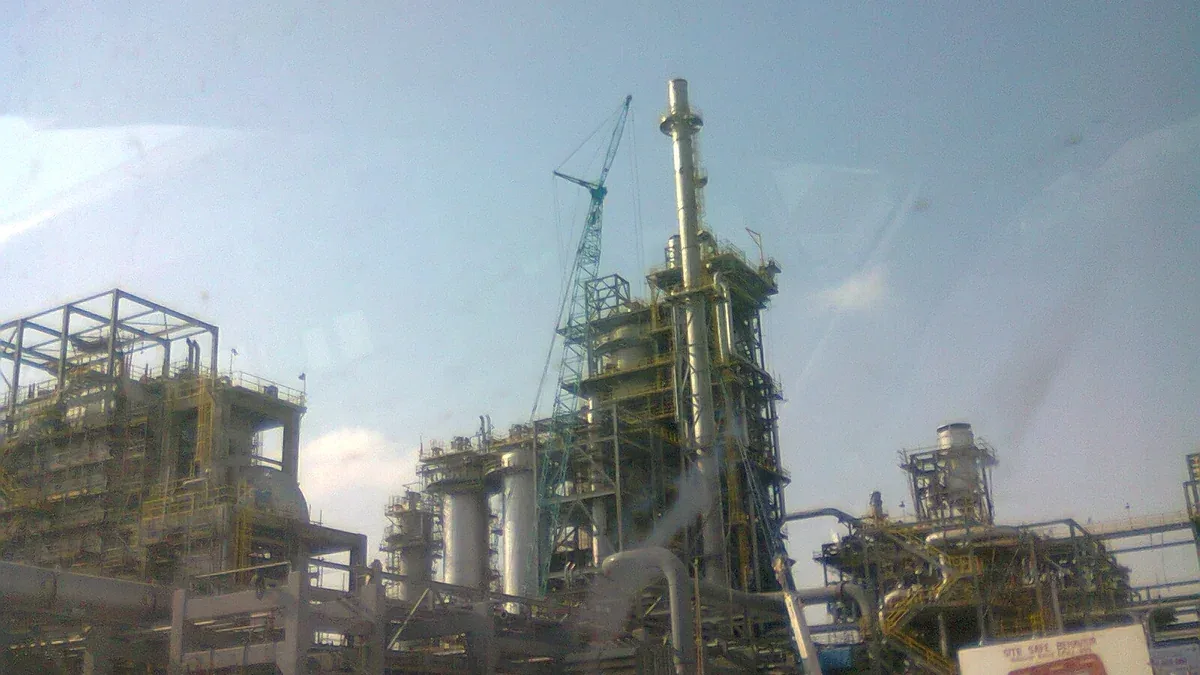
Image: Wikimedia Commons / Suresh Babunair
New York, Thursday, November 12 — Brent crude futures settled at $95.82 a barrel, up $3.06, or 3.3 per cent, after claims of attacks on Saudi Arabian energy sites and fresh disruption to shipping through the Strait of Hormuz rattled oil markets. US West Texas Intermediate crude closed at $88.74 a barrel, up $2.21, or 2.6 per cent.
The rally reversed an early sell-off. Prices climbed after Yemen’s Iran-aligned Houthis said they had attacked a pumping station on Saudi Arabia’s East-West oil pipeline, a facility in the Red Sea city of Yanbu and a Saudi Aramco building in Riyadh. President Donald Trump also said the United States does not need a deal with Iran.
- Brent crude settled at $95.82 a barrel, up 3.3 per cent, and WTI closed at $88.74, up 2.6 per cent, on Thursday, November 12.
- The Houthis claimed strikes on the East-West pipeline, Yanbu and an Aramco building in Riyadh; no damage confirmed.
- The Saudi-led coalition said it intercepted two drones, one near Riyadh and one in the Eastern Province.
- US crude stockpiles rose 4.7 million barrels last week, the Energy Information Administration said.
What the Houthis Claimed and What Was Intercepted
The Houthi claims marked a sharp escalation, with the group saying it had hit three targets in one day: a pumping station serving the East-West pipeline, an oil facility at Yanbu and an Aramco building in Riyadh. There was no immediate Saudi confirmation of damage or disruption at any of the three sites. The United Nations Security Council renewed its Yemen sanctions regime this week, tightening an arms embargo aimed at the Houthis.
Later on Thursday, the Saudi-led coalition said it had intercepted and destroyed two drones launched by the group, one in the Riyadh region and another in the Eastern Province. The International Maritime Organization has verified more than 130 attacks on vessels in the strait since February 28.
Why the Strait of Hormuz Moves Oil Prices
The Strait of Hormuz carried nearly one-fifth of the world’s crude oil before the US-Israeli conflict with Iran. On Thursday, Iran’s military said four oil tankers were hit by explosions in the strait after ignoring warnings. That account could not be immediately verified.
Saudi Arabia’s East-West pipeline matters because it is the kingdom’s main export route that bypasses Hormuz. Riyadh told OPEC its production surged 26 per cent in October. The jump reverses part of the slide that followed hopes of an Iran deal earlier in the month, when Brent fell 5 per cent in a single session.
What Higher Oil Means for US Drivers and Inflation
Higher crude prices feed into what American drivers pay at the pump, because crude is the largest single cost in a gallon of gasoline, and into inflation readings that shape the Federal Reserve’s next decision. October producer price data is due from the US Bureau of Labor Statistics on Friday, when the International Energy Agency also publishes its monthly oil-market report.
The price rise came even as US stockpiles grew. The Energy Information Administration reported an unexpected 4.7 million barrel increase in US crude inventories last week. OCBC maintained its year-end Brent forecast at $100 a barrel.
| Benchmark | Thursday close | Daily change | Week change |
|---|---|---|---|
| Brent crude (January) | $95.82 | +$3.06 (+3.3%) | About -2.5% |
| WTI crude (December) | $88.74 | +$2.21 (+2.6%) | About -2.5% |
Frequently Asked Questions
Why did oil prices rise on November 12, 2026?
Oil prices rose after Yemen’s Houthis claimed attacks on Saudi energy sites, including a pumping station on the East-West pipeline, and after explosions were reported on tankers in the Strait of Hormuz. President Donald Trump’s remark that the United States does not need a deal with Iran added a risk premium.
Will US gas prices rise after the Saudi attacks?
Crude oil is the largest cost in a gallon of gasoline, so a sustained rise in crude usually feeds through to pump prices over the following weeks. A single day’s move does not set retail prices on its own.
What is the Strait of Hormuz and why does it matter for oil?
The Strait of Hormuz is the narrow waterway between Iran and Oman that connects the Persian Gulf to the open sea. It carried nearly one-fifth of the world’s crude oil before the US-Israeli conflict with Iran, so disruption there can lift global oil prices within hours.
The International Energy Agency publishes its monthly oil-market report on Friday.