US Producer Prices Rise 6.5% in October: What It Means for Fed Hike
US producer prices rose 0.3% in October and 6.5% over the year, the Bureau of Labor Statistics said — below forecasts but the fastest annual rise since 2022.
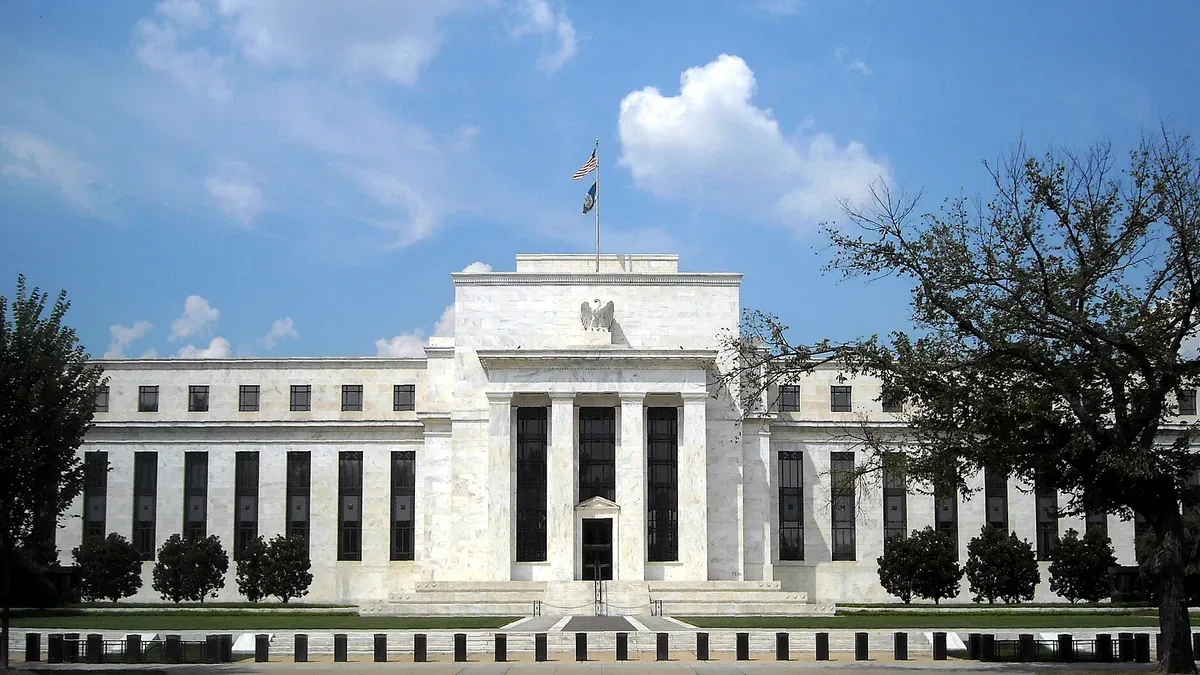
Image: Wikimedia Commons / AgnosticPreachersKid, CC BY-SA 3.0
WASHINGTON — The Producer Price Index for final demand rose 0.3 percent in October, seasonally adjusted, and 6.5 percent over the 12 months ended in October, the U.S. Bureau of Labor Statistics reported on Friday, in the last major inflation reading before the Federal Reserve decides on interest rates in December.
The monthly rise was smaller than the 0.4 percent economists surveyed by Dow Jones had expected, and the annual rate came in below the 6.6 percent forecast. Even so, the 6.5 percent yearly rise was the largest since November 2022, when prices rose 7.4 percent over 12 months. September's gain was revised up to 1.4 percent.
Key Takeaways
- Headline producer prices rose 0.3% in October and 6.5% over 12 months — below the Dow Jones consensus of 0.4% and 6.6%.
- Core prices, less foods, energy and trade services, rose 0.5% on the month and 4.9% on the year.
- Goods rose 0.5% in October and services 0.2%, with truck freight up 3.9%.
- The report is the last inflation input before the Fed's December 8-9 meeting, where a quarter-point hike is fully priced in.
How Much Did US Producer Prices Rise in October 2026?
Goods drove the October increase. Prices for final demand goods rose 0.5 percent, after a 2.5 percent jump in September, the Bureau of Labor Statistics said. Food prices rose 1.3 percent, energy prices fell 0.1 percent, and goods less foods and energy rose 0.5 percent, accounting for more than 60 percent of the goods advance. Over 12 months, goods prices were up 10.2 percent, the largest yearly rise since October 2022.
Services rose 0.2 percent. Transportation and warehousing prices jumped 2.0 percent and accounted for three-fourths of the services rise, led by truck transportation of freight, up 3.9 percent. Trade services margins fell 0.2 percent.
| Measure | October monthly | October yearly | September monthly |
|---|---|---|---|
| Final demand (headline PPI) | +0.3% | +6.5% | +1.4% |
| Less foods, energy and trade services | +0.5% | +4.9% | +0.5% |
| Final demand goods | +0.5% | +10.2% | +2.5% |
| Final demand services | +0.2% | — | +0.8% |
| Processed goods, intermediate demand | +0.4% | +14.6% | +2.5% |
| Unprocessed goods, intermediate demand | -3.1% | +16.9% | +8.4% |
What the October PPI Means for the December Fed Rate Hike
The report lands with the Federal Reserve's December 8-9 meeting less than a month away. The central bank held its target range at 3.75 percent to 4.00 percent on October 28, and traders have fully priced in a quarter-point increase in December. October consumer prices, released on Tuesday, also ran hot, rising 0.4 percent on the month against a 0.3 percent forecast, with core consumer prices up 0.3 percent.
Fed Governor Christopher Waller leans toward a quarter-point move but said a half-point increase should be considered if core inflation ran around 0.3 percent or higher. Several PPI components, including airline fares, feed into the PCE price index, the Fed's preferred inflation gauge. The Bureau of Economic Analysis publishes October PCE inflation on November 25. The dollar has climbed to a 19-month high as hike bets have built, and the Federal Reserve has already dropped its October 2027 rate vote from the calendar.
How the October PPI Report Affects Mortgage Rates and Consumer Prices
Producer prices signal what households eventually pay. The October report points in two directions: the monthly pace cooled from September's surge, but the yearly rate climbed to its highest in four years, and core pressures stayed firm. For borrowers, the link runs through the bond market: the 10-year Treasury yield stood above 5 percent, and mortgage rates track that yield closely. The full October producer price release is published by the Bureau of Labor Statistics.
Frequently Asked Questions
What was the US PPI for October 2026?
The Producer Price Index for final demand rose 0.3 percent on the month and 6.5 percent over the year; the core measure rose 0.5 percent and 4.9 percent.
Did October PPI come in above or below forecasts?
Below. Economists surveyed by Dow Jones expected 0.4 percent on the month and 6.6 percent on the year; the actual prints were each a tenth lower.
How does PPI affect the Fed's December rate decision?
PPI components feed into the PCE price index, the Fed's preferred gauge, and October's report is the last major inflation reading before the December 8-9 meeting, where a quarter-point hike is fully priced in.
When is the next PPI report released?
November producer prices come out on Tuesday, December 15, 2026, at 8:30 a.m. Eastern time. The Fed announces its December decision on December 9.