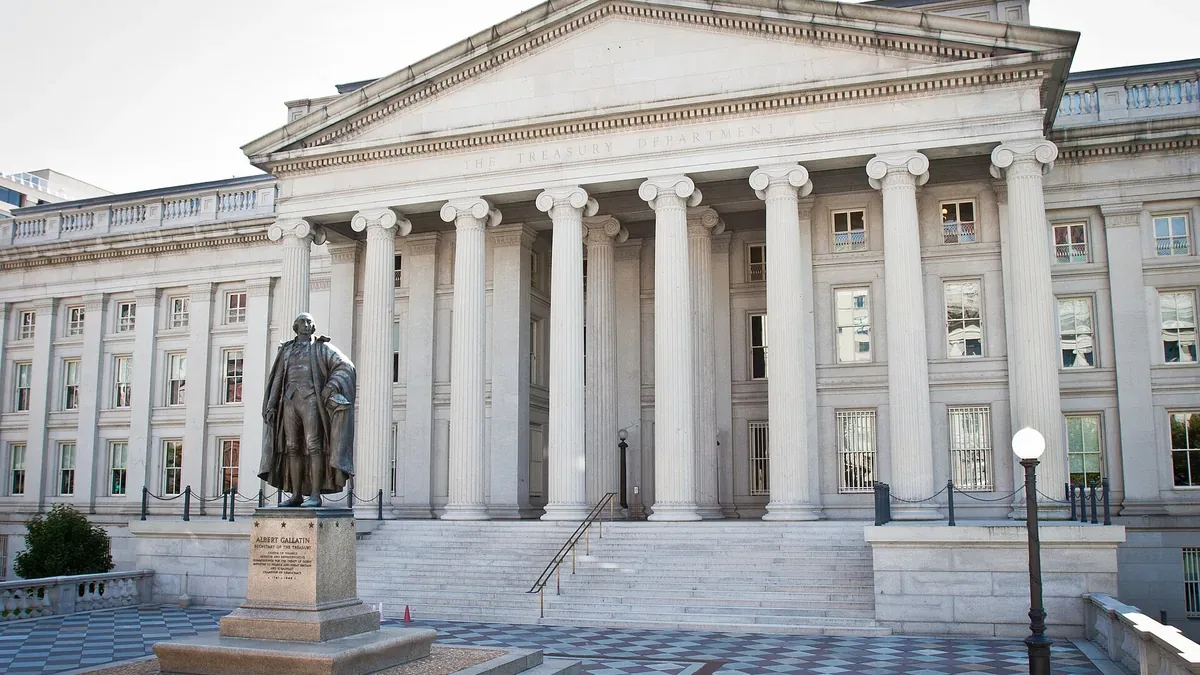
Treasury Hires Debt Collectors for Student Loans: $20 Fee & Who Is Affected
Treasury is hiring private debt collectors for defaulted student loans for the first time in six years, paying $20 per borrower helped out of default.
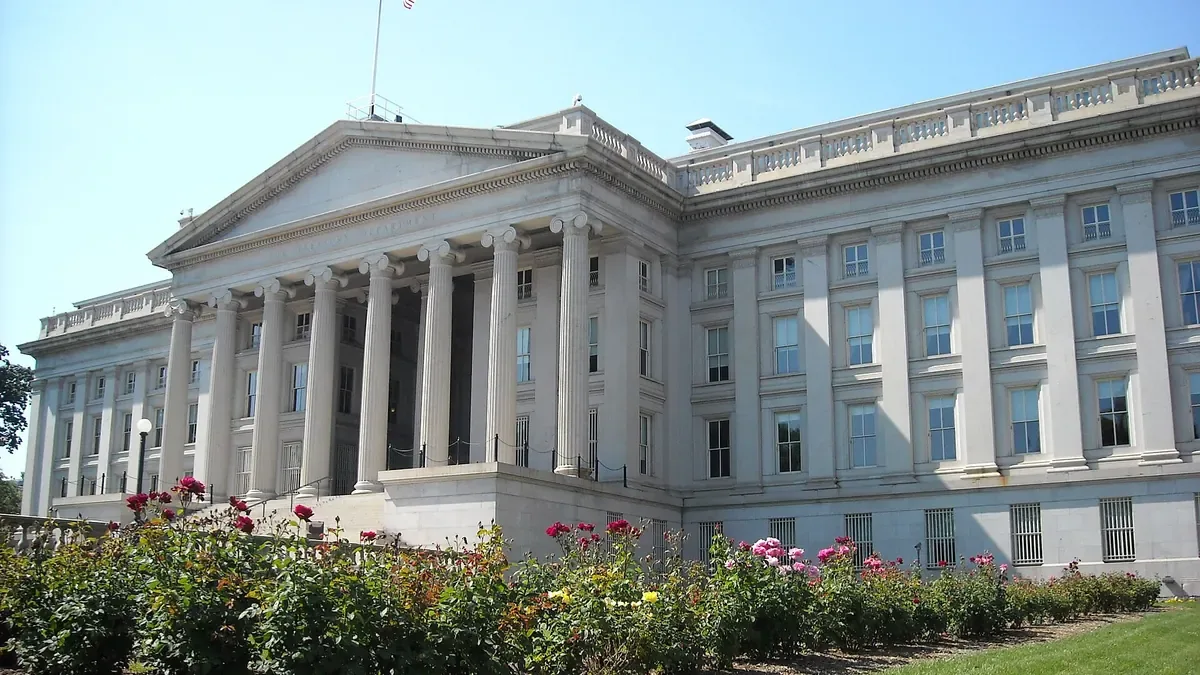
Image: Wikimedia Commons / AgnosticPreachersKid
WASHINGTON — The Treasury Department has issued a request for quotes to hire private debt collectors to pursue defaulted federal student loans, the first time the government has turned to outside collectors for the work in more than six years. A Treasury official confirmed the request had gone out to qualified vendors.
The hiring push covers a default pile topping nine million borrowers, federal data shows, and it changes how collectors are paid. Vendors would receive an extra $20 beyond general collection fees for each borrower helped through rehabilitation or consolidation. Under earlier contracts, collectors were paid roughly $1,700 per rehabilitation.
Key takeaways
- The Treasury Department will hire private debt collectors for defaulted student loans, the first time in more than six years.
- Collectors would get $20 per borrower helped out of default, down from about $1,700 under earlier contracts.
- More than nine million borrowers are in default; nearly five million fell into default after penalties resumed.
- Defaulted borrowers face seizure of tax refunds, Social Security benefits and wages.
How Much Will Debt Collectors Be Paid for Student Loan Rehabilitation?
The $20 fee is the flashpoint. Rehabilitation takes months: finding the borrower, sending disclosures, setting up a plan and tracking nine monthly payments over ten months. One vendor asked, “Is this a typographical error?” Another wrote that letters, calls and labor “will far exceed $20.00.”
Collectors keep earning on each payment while a borrower stays in default on an installment plan, and lose the account once the borrower rehabilitates. “If you want a mature, profitable company to do a certain thing and do it right, you have to tell them exactly what to do and you have to pay them to do that thing,” said Rich Williams, chief customer officer at Summer, an organization that works with employers on student-loan benefits.
The Treasury Department said its new Default Resolution Hub will take the lead on rehabilitation and consolidation, with collectors in a supporting role.
What Happens to Borrowers in Default on Student Loans?
A borrower lands in collections after roughly a year without payments. Once in default, borrowers face damaged credit scores and a block on additional federal aid, including Pell grants. The heavier penalties are still to come: seizure of tax refunds, a share of Social Security benefits and garnishment of up to 15 percent of disposable pay without a court order.
Those penalties have not yet restarted. The Education Department announced in spring 2025 that it was resuming collections, prepared to begin wage garnishment in December 2025, then pulled back weeks later. Garnishment and Treasury offsets have been paused since January.
Borrowers can get out through rehabilitation — nine on-time payments within ten months, as low as $5 — or consolidation. The Defaulted Loans Support Center, launched September 30, lets borrowers start either process online.
| Defaulted student loans at a glance | Figure | Source |
|---|---|---|
| Borrowers in default | More than 9 million | Federal data |
| In default six years or more | More than 5 million | Treasury Department |
| Defaulted federal student loan debt | $179 billion | Congressional Research Service |
| Payment for helping a borrower rehabilitate | $20 | Treasury request for quotes |
| Previous payment for completed rehabilitation | About $1,700 | Education Department contracts |
When Will Student Loan Debt Collectors Start Calling Borrowers?
Not soon. It will likely take several months before contractors are hired. Responsibility for defaulted loans moved from the Education Department to the Treasury Department earlier this year. The Democrats’ midterm gains mean the program is likely to face intense oversight. Student loans are a major share of record household debt.
Frequently Asked Questions
How many student loan borrowers are in default in the United States?
More than nine million, according to federal data. The Treasury Department said in September that more than five million had been in default for over six years.
Can debt collectors garnish wages for defaulted student loans?
Yes. Federal rules allow garnishment of up to 15 percent of disposable pay without a court order, plus seizure of tax refunds and a share of Social Security benefits.
How do I get out of student loan default through rehabilitation?
Nine on-time, income-based monthly payments within ten months, as low as $5. Once complete, the default is removed from the credit report.
What is the Treasury Department’s Default Resolution Hub?
It is a new Treasury unit that will take the lead in helping defaulted borrowers through rehabilitation or consolidation, with private collectors in a supporting role.
The Treasury Department has not said when the first contracts will be awarded.