Treasury I Bonds Now Pay 5.51%: Fixed Rate at 20-Year High
Series I bonds bought through April 2027 earn 5.51%, with a 1.40% fixed rate locked for life — the highest since 2006. How the rate works and who should buy.
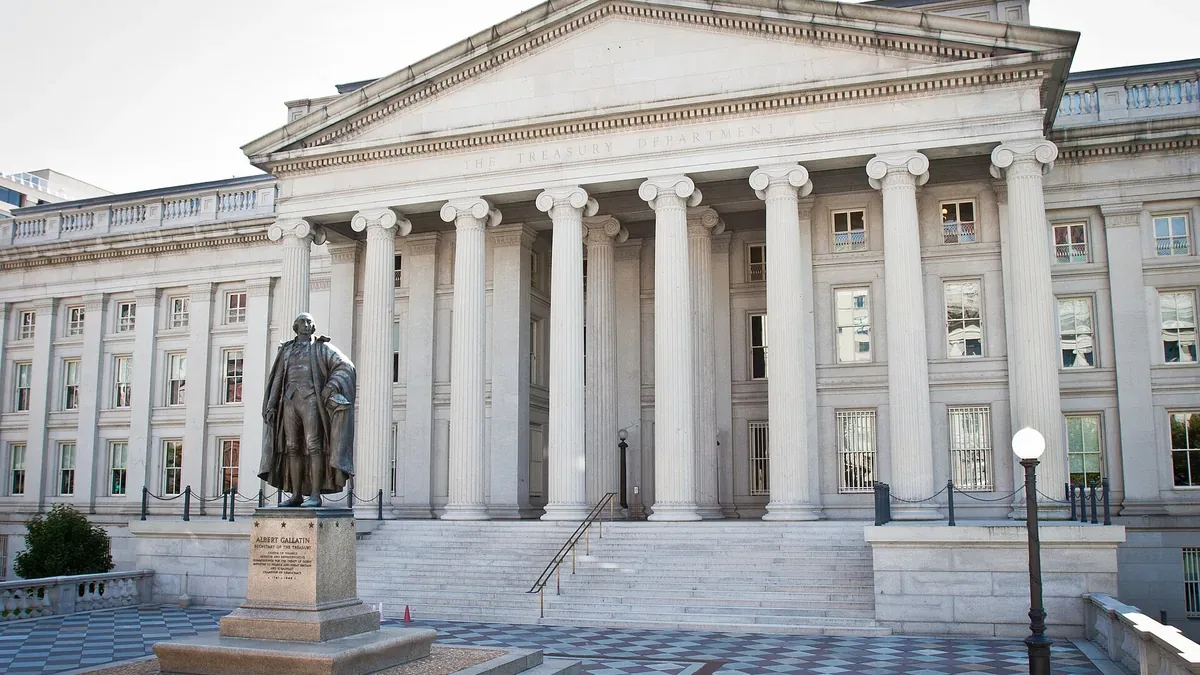
Image: Wikimedia Commons / Tony Webster
WASHINGTON, Nov. 11 — Series I savings bonds bought from November 1, 2026 through April 30, 2027 earn an annualised rate of 5.51%, the U.S. Treasury's Bureau of the Fiscal Service announced. The rate pairs a 1.40% fixed rate — the highest since November 2006 — with an inflation component.
The 5.51% rate applies for the first six months. The fixed part stays with the bond for up to 30 years, while the inflation part resets every six months. The previous window paid 4.26% with a 0.90% fixed rate. The new composite is the highest since November 2022.
Key Takeaways
- Series I bonds issued from November 1, 2026 through April 30, 2027 earn 5.51% for their first six months.
- The 1.40% fixed rate is the highest since November 2006 and stays with the bond for up to 30 years.
- The inflation half is 2.04% for six months.
- Purchases are capped at $10,000 a year per person, only through TreasuryDirect.
What Is the I Bond Rate for November 2026 and How Is It Calculated?
The Treasury builds the composite rate from two parts. The fixed rate is set each May 1 and November 1 and never changes for bonds issued in the following six months. The inflation rate follows the consumer price index published by the U.S. Bureau of Labor Statistics.
For this window the fixed rate is 1.40% and the semiannual inflation rate is 2.04%, or 4.08% a year. The Treasury's formula adds the fixed rate, twice the semiannual inflation rate, and a small cross term.
The 5.51% figure is an annualised rate for six months, not a promise for a full year. The next inflation half depends on price changes from September 2026 to March 2027, announced around May 1, 2027. October's inflation report helps explain the interest: prices rose 0.4%. The October inflation report in full
| Option | Rate | What to know |
|---|---|---|
| I bonds, Nov 2026–Apr 2027 | 5.51% | First six months; 1.40% fixed for life |
| I bonds, May–Oct 2026 | 4.26% | 0.90% fixed rate |
| Top high-yield savings | 4.40% APY | Best rate on November 3, 2026 |
How to Buy I Bonds in 2026: Limits, Rules and the TreasuryDirect Login
I bonds are sold only through TreasuryDirect. The minimum electronic purchase is $25, and each person can buy up to $10,000 per calendar year. The limit resets each January, so a saver can buy $10,000 in late 2026 and another $10,000 in early 2027 at the same fixed rate.
TreasuryDirect has required ID.me, a third-party identity service, since October 28, 2026. It is now the only way to log in.
The money is not freely available. An I bond cannot be cashed in during its first 12 months, and redeeming before five years forfeits the final three months of interest. A $10,000 purchase earns about $276 in six months. A 10% credit card rate cap has cross-party backing
Should You Buy I Bonds Now or Wait Until May 2027?
The case for buying now rests on the fixed rate. It is reset each May and November and can go up or down. Waiting until May 2027 could mean a lower fixed rate — and losing the 1.40% rate for the life of the bond.
Waiting has one upside: if inflation rises, the inflation half could be higher next May. But it changes every six months; the fixed rate is locked in once.
The best high-yield savings accounts paid about 4.40% on November 3, 2026, and the national savings average was 0.38%, according to Federal Deposit Insurance Corporation data. I bonds beat both for the next six months.
Frequently Asked Questions
Are I bonds a good investment in November 2026?
For money that can stay untouched for a year or more, yes. The 5.51% rate beats the best savings accounts, and the 1.40% fixed rate stays above inflation.
How much can I buy in I bonds each year?
Each person can buy up to $10,000 in electronic I bonds per calendar year through TreasuryDirect, with a $25 minimum. The limit resets each January.
Can I cash in I bonds after one year?
Yes, after 12 months. Redeeming before five years forfeits the last three months of interest; after five years there is no penalty.
Are I bond earnings taxed?
I bond interest is exempt from state and local income tax. Federal tax applies, but it can be deferred until redemption.
The Treasury sets the next fixed rate on May 1, 2027, when the inflation half reflects prices from September to March.