Kreiss-Tomkins Wins Alaska Governor Race: First Democrat Since 1998
Democrat Jonathan Kreiss-Tomkins won Alaska's governor race with 50.8% of the vote, the first win since 1998, as Democrats reach 30 governors' offices.

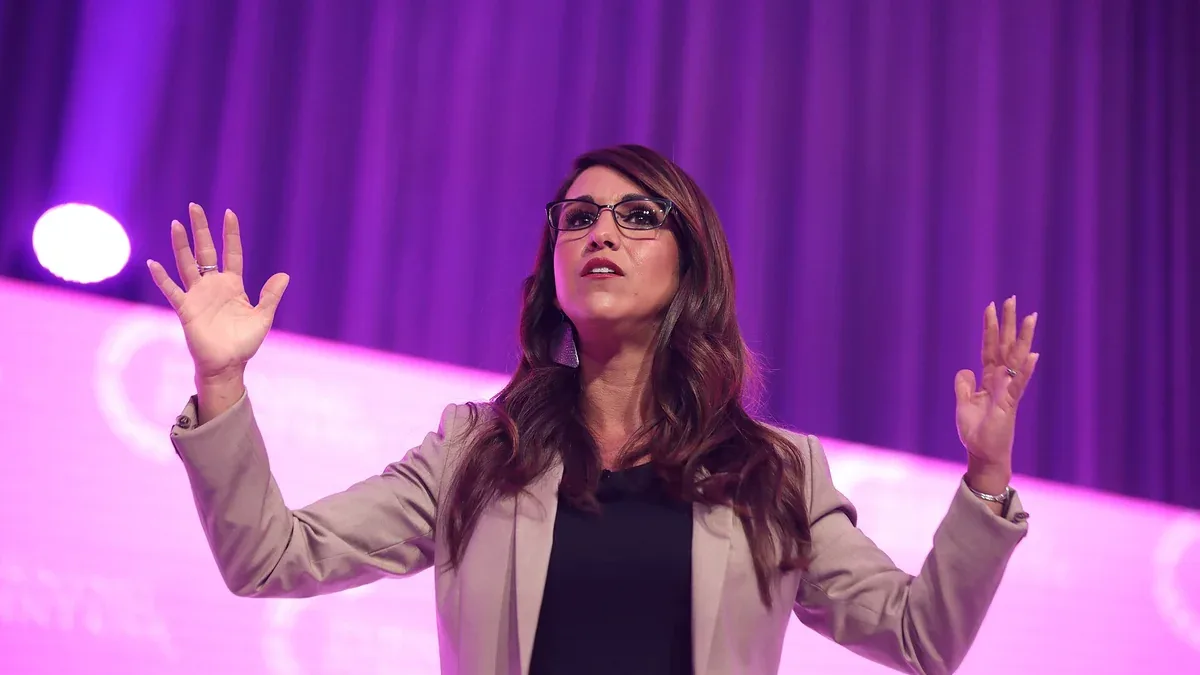
Image: Wikimedia Commons / RadioKAOS
JUNEAU, Alaska — Democrat Jonathan Kreiss-Tomkins has won Alaska's governor race, defeating three Republicans to become the state's first Democratic governor in 24 years. Kreiss-Tomkins, 37, won 50.8 percent of first-choice votes, according to unofficial results from the Alaska Division of Elections, and will become the youngest governor in state history when he takes office at noon on December 7. The race was called early on Saturday, after more than 10 days of counting.
Kreiss-Tomkins defeated three Republicans, including Trump-backed business owner Bernadette Wilson, who finished second with 28.1 percent of the vote. Former Anchorage Mayor Dave Bronson took 13.6 percent, and former Alaska Attorney General Treg Taylor took 7.2 percent. The result gives Democrats 30 governors' offices across the country, up from 24 before the midterm elections.
Key Takeaways
- Jonathan Kreiss-Tomkins won 50.8 percent of first-choice votes — 139,293 ballots — defeating three Republican rivals by 22.7 points.
- He is the first Democrat elected governor of Alaska since 1998 and the youngest governor in state history at 37.
- He cleared the 50 percent threshold outright, so Alaska's ranked-choice runoff was not needed in the governor's race.
- Alaska voters also rejected a ballot measure to scrap ranked-choice voting, keeping the system in place.
About 96 percent of the estimated vote had been counted, with 386 of 403 precincts reporting, and both Wilson and Bronson conceded the race. The results remain unofficial until the Alaska Division of Elections certifies them on November 25.
Who Is Jonathan Kreiss-Tomkins, Alaska's Next Governor?
Kreiss-Tomkins is a former state representative from Sitka, a small island community in southeast Alaska. He built his campaign around what he called a "high-energy, bipartisan, problem-solving approach" and described himself at a debate as a "man of the middle." He has said he plans to build an administration of Democrats, Republicans and independents.
His candidacy drew an unusual coalition of backers, including three former governors — a Democrat, a Republican and an independent — and Republican Senator Lisa Murkowski. The state's last Democratic governor was Tony Knowles, who left office in 2002.
Alaska Governor Election Results: Full Vote Breakdown
Kreiss-Tomkins crossed the majority threshold in the first round, which matters under Alaska's ranked-choice system: if no candidate tops 50 percent of first-choice votes, a ranked-choice tabulation takes over.
| Candidate | Party | Votes | Share |
|---|---|---|---|
| Jonathan Kreiss-Tomkins | Democrat | 139,293 | 50.8% |
| Bernadette Wilson | Republican | 77,110 | 28.1% |
| Dave Bronson | Republican | 37,252 | 13.6% |
| Treg Taylor | Republican | 19,709 | 7.2% |
The three Republican tickets together drew about 134,000 first-choice votes, slightly fewer than Kreiss-Tomkins' total, after the party split its vote across three candidates. Wilson, the candidate backed by President Donald Trump, led the Republican field but finished 22.7 points behind. Voters also rejected a ballot question to scrap ranked-choice voting, so the system adopted in 2020 stays in place.
What Kreiss-Tomkins' Win Means for Democrats and Alaska
The Alaska result caps a strong midterm cycle for Democrats, who also flipped the Kansas governor's office this week. With Kreiss-Tomkins' win and others in the midterms, Democrats will hold 30 governors' offices across the country, up from 24.
Kreiss-Tomkins will take office in a state where voters have loudly complained that things are not working as they should. Rising costs and flat state funding have forced schools to close and class sizes to rise. Food, fuel and housing costs have risen sharply.
Frequently Asked Questions
When does Jonathan Kreiss-Tomkins take office as Alaska governor?
Kreiss-Tomkins takes office at noon on December 7, 2026, replacing Republican Mike Dunleavy, who has served since 2018 and was barred by term limits from a third consecutive term.
Who was the last Democratic governor of Alaska before Kreiss-Tomkins?
Tony Knowles, who left office in 2002. Kreiss-Tomkins is the first Democrat elected to the office since 1998, when Knowles won re-election.
Did Alaska keep ranked-choice voting in 2026?
Yes. Voters rejected a measure to scrap ranked-choice voting, so the system adopted in 2020 stays in place. Kreiss-Tomkins won outright with 50.8 percent, so no runoff was needed.
How many governors' offices do Democrats hold after the 2026 midterms?
Democrats will hold 30 governors' offices, up from 24 before the elections. The Alaska flip and other Democratic wins account for the six-seat gain.
The Alaska Division of Elections will certify the results on November 25. The state's United States Senate race, where Democrat Mary Peltola leads Republican Dan Sullivan, remains uncalled, with ranked-choice tabulation set for November 18.