Senate Rejects Iran War Powers Bid 51-48: What Happens Next
The Senate voted 51-48 to reject the Iran war powers resolution, with three Republicans breaking ranks, in Congress's first vote on the war since the midterms.

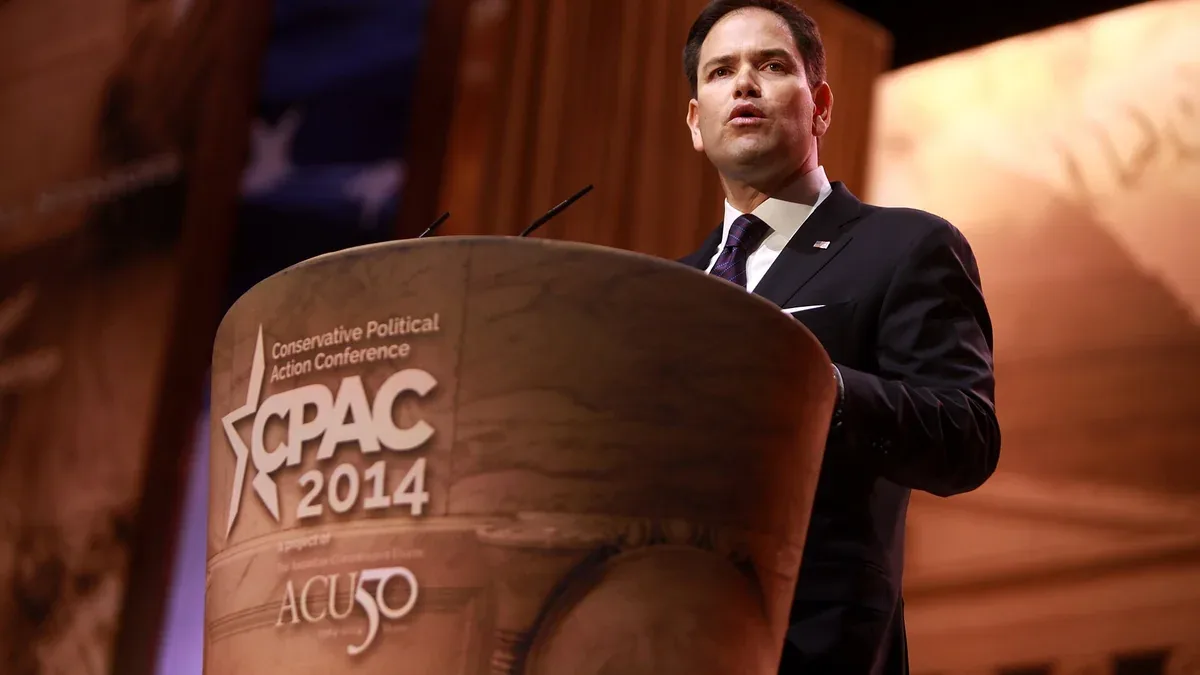
Image: Wikimedia Commons / Mark Warner
WASHINGTON, Nov. 19 — The United States Senate voted 51-48 on Thursday to reject a war powers resolution that would have directed President Donald Trump to end the war in Iran or seek approval from Congress to continue it, backing the president weeks after sweeping defeats for Republicans in the midterm elections.
The resolution, H.Con.Res. 93, failed largely along party lines. Three Republicans — Senators Susan Collins of Maine, Lisa Murkowski of Alaska and Rand Paul of Kentucky — voted with the Democrats in favour of the measure. Senator John Fetterman of Pennsylvania was the only Democrat to vote against it.
Key Takeaways
- The Senate rejected the Iran war powers resolution by 51 votes to 48 on Thursday, November 19, 2026.
- Three Republicans — Collins, Murkowski and Paul — backed the measure, while Fetterman was the only Democrat to oppose it.
- The House of Representatives had already passed the resolution, by 215 votes to 208 in June.
- The vote was the Senate's first on the Iran war since the November 3 midterm elections, in which Republicans lost control of both chambers.
Senate Iran War Powers Vote 51-48: Who Voted Yes and Who Voted No
The 51-48 result left the resolution three votes short of passage. All three had backed earlier efforts to limit the president's war authority.
Senator Tim Kaine of Virginia, who has led the Senate's efforts to restore Congress's war authority, urged his colleagues to back the measure before the roll call. "The American public is tired of it," Kaine said, arguing that the midterm result reflected voters' unhappiness about the war and its effect on prices.
| Measure | Result | Detail |
|---|---|---|
| Senate vote on H.Con.Res. 93 | Rejected 51-48 | Thursday, November 19, 2026 |
| Republicans voting for the resolution | 3 | Collins, Murkowski, Paul |
| Democrats voting against the resolution | 1 | Fetterman of Pennsylvania |
| House passage | Passed 215-208 | June 2026 |
What the Iran War Powers Resolution Would Have Done
The resolution would have directed the president "to remove United States Armed Forces from hostilities with Iran," unless Congress approved continued military action. It was framed under the War Powers Resolution of 1973, under which Congress can order a withdrawal through a concurrent resolution.
In practice, the measure was largely symbolic: it would not by itself have compelled the president to end the fighting. Trump's handling of the war has already split his own party, and Thursday's vote showed that split has not healed.
What Happens Next on the Iran War After the Senate Vote
Kaine vowed Democrats would keep pressing the issue, and said they would try different pressure campaigns once they hold the majority in January. The war powers question is expected to return to the floor early in the new session.
For now, the president has signalled no rush to decide the war's next phase, telling reporters: "We will see what happens after the beginning of the year." Iran has continued to claim strikes on American military targets in the Gulf. House Democrats have already chosen Hakeem Jeffries as their Speaker nominee, and oversight of the war is high on their agenda.
Frequently Asked Questions
Did the Senate vote to end the war in Iran?
No. The Senate voted 51-48 on Thursday, November 19, 2026, to reject a war powers resolution that would have directed President Trump to end the war in Iran or seek congressional approval to continue it.
Who voted for the Iran war powers resolution in the Senate?
Three Republicans — Susan Collins of Maine, Lisa Murkowski of Alaska and Rand Paul of Kentucky — voted for it, joining nearly all Democrats. John Fetterman of Pennsylvania was the only Democrat to vote against it.
What is H.Con.Res. 93?
H.Con.Res. 93 is the war powers resolution on the Iran war. It would have directed the president to remove United States Armed Forces from hostilities with Iran unless Congress approved continued action. The House passed it in June 2026; the Senate rejected it 51-48 on November 19.
Can Congress force the president to end the war in Iran?
Not by this resolution alone. Under the War Powers Resolution of 1973, Congress can direct a withdrawal through a concurrent resolution, but the measure rejected on Thursday would not by itself have compelled the president to end the fighting.