Supreme Court Rejects Trump DEI Grant Cuts: What It Means for Researchers
Supreme Court refuses to revive Trump's $59M DEI research-grant cuts for University of California researchers, leaving First Amendment rulings intact.
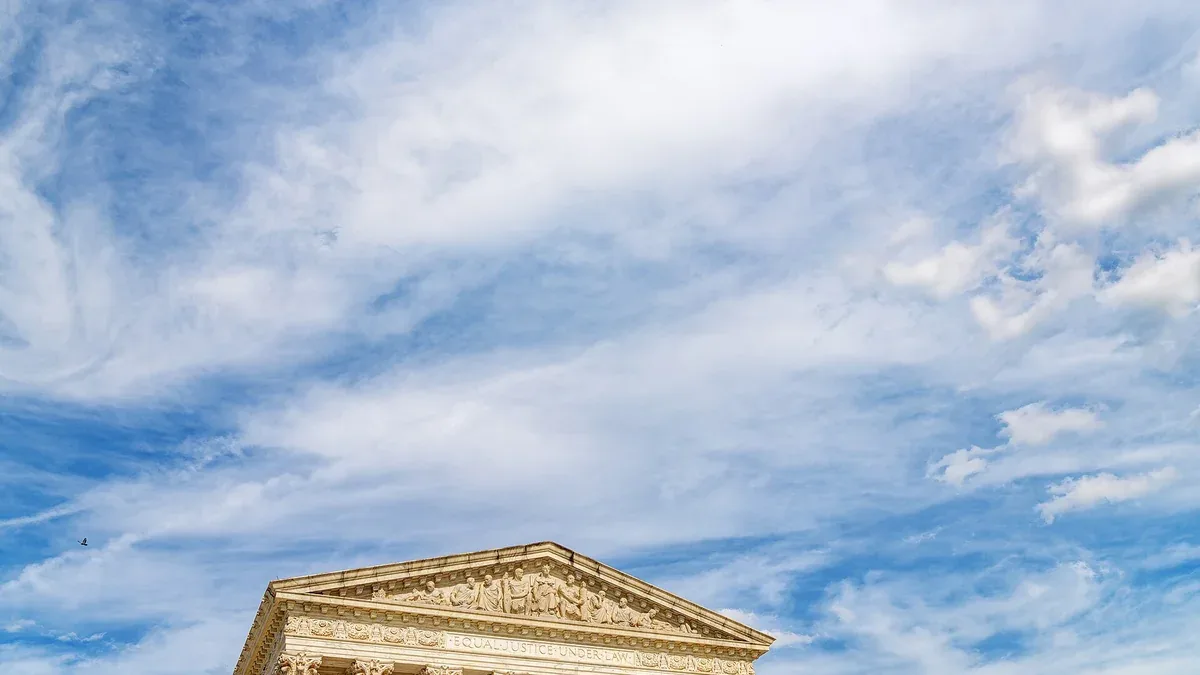
Image: Wikimedia Commons / Tony Webster
WASHINGTON — The Supreme Court on Monday declined to hear the Trump administration's appeal of rulings blocking its cuts to about $59 million in federal research grants at the University of California, leaving in place decisions that the terminations likely violated the First Amendment.
The justices acted in a brief order, posted on the Court's orders list, with no explanation and no dissent noted. The National Science Foundation and the National Endowment for the Humanities ended the grants in early 2025, after President Donald Trump signed executive orders targeting diversity, equity and inclusion programmes. With the appeal refused, the two agencies must keep funding the grants while the case continues.
Key Takeaways
- The Supreme Court refused on 16 November 2026 to hear the administration's appeal, so the lower-court rulings blocking the cuts stand.
- About $59 million in grants to University of California researchers must keep being paid.
- Lower courts found the cuts were likely viewpoint discrimination under the First Amendment.
What the Supreme Court Decision Means for University of California Researchers
For the researchers, the decision removes the immediate threat to their funding. Erwin Chemerinsky, dean of the University of California, Berkeley School of Law and a lawyer for the plaintiffs, said the ruling means "all of the grants that were cut off based on the perceived viewpoint of the research must continue to be restored."
The grants support work on racial equity in science education, science teaching for Indigenous young people, and the health risks of wildfire smoke in communities of colour and low-income neighbourhoods.
The administration had argued the case was about spending priorities, not speech. Solicitor General D. John Sauer told the court the First Amendment "does not prohibit the government from declining to award competitive grants that fund research projects that promote DEI." The lower courts disagreed, calling the terminations likely viewpoint discrimination.
How the First Amendment Case Against the DEI Grant Cuts Reached the Supreme Court
University of California researchers sued in 2025, arguing the terminations punished them for the content and viewpoint of their work. Judge Rita Lin halted the terminations, finding the researchers were likely to win their claim of unconstitutional viewpoint discrimination. The 9th U.S. Circuit Court of Appeals upheld that part of her ruling, and the administration appealed to the Supreme Court in August.
The decision contrasts with an August 2025 ruling letting the administration proceed with National Institutes of Health grant cuts on procedural grounds, not the First Amendment. The court, which holds a 6-3 conservative majority, has otherwise been largely deferential to presidential power, and it recently agreed to hear a case on curbing judges' power to void rules nationwide.
| Item | Detail |
|---|---|
| Grants cut on diversity grounds | About $59 million |
| Agencies involved | National Science Foundation; National Endowment for the Humanities |
| District court | Judge Rita Lin, Northern District of California |
| Appeals court | 9th U.S. Circuit Court of Appeals |
What Happens Next for the Remaining Grant Cases
The class action now returns to the district court for a ruling on the merits of the First Amendment claim. The refusal to intervene does not decide that question finally, but it keeps the funding flowing. Other courts have also blocked funding cuts, including a second-circuit ruling that stopped the freezing of New York highway funds.
A second strand remains open. Grants ended without a specific explanation are the subject of a separate challenge in the Court of Federal Claims, which handles contract disputes against the federal government. That case was not part of Monday's order, with no hearing dates set yet.
Frequently Asked Questions
How much money was at stake in the Supreme Court DEI grants case?
Court filings put the grants cut on diversity grounds at about $59 million; about $150 million in grants was at issue across the wider case.
Why did the courts say the DEI grant cuts likely violated the First Amendment?
Judge Rita Lin and the 9th Circuit found the terminations were likely viewpoint discrimination, because grants already awarded were ended over the ideas in the research.
Does the Supreme Court decision end all challenges to the Trump grant cuts?
No. The class action continues in district court, and a separate challenge over grants ended without a stated reason is pending in the Court of Federal Claims.
What did the Supreme Court decide about NIH grants in August 2025?
The court let National Institutes of Health grant cuts proceed on procedural grounds, without deciding the First Amendment question.