US Stocks Fall Tuesday: S&P Hits Lowest Close Since July
US stocks fell for a fourth straight session on Tuesday as the S&P 500 closed at its lowest since July, the Dow dropped 849 points and the VIX jumped 11.6%.
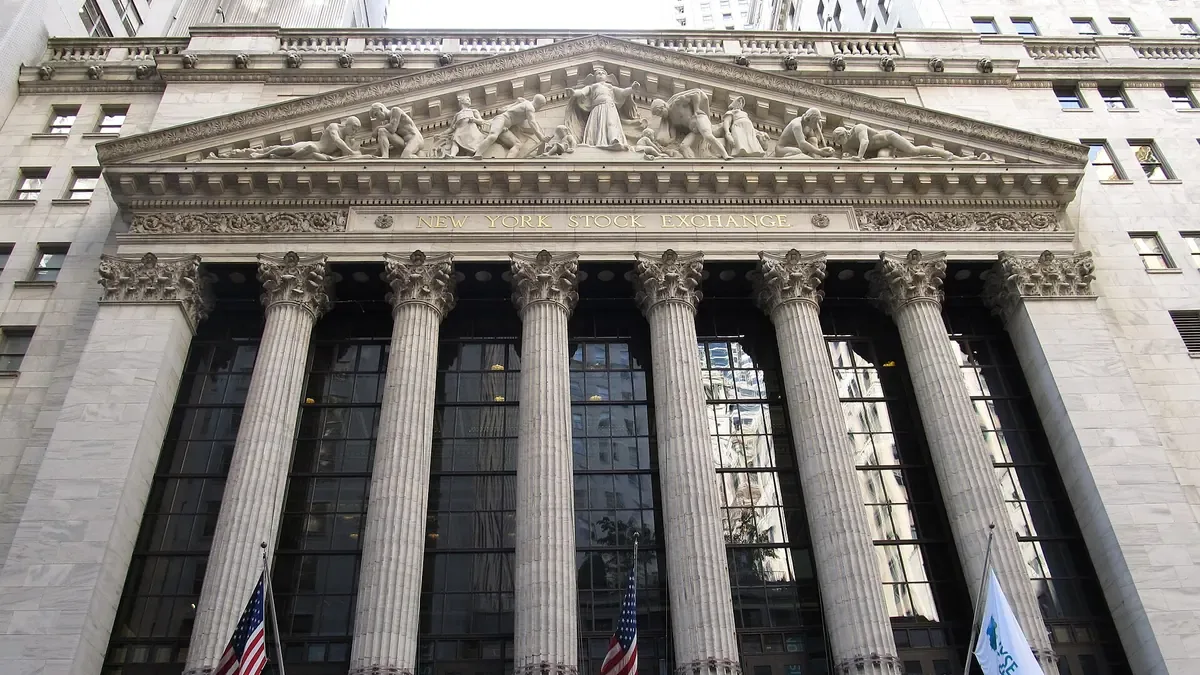
Image: Wikimedia Commons / Ken Lund
NEW YORK, Nov. 17 — U.S. stocks fell for a fourth straight session on Tuesday, with the S&P 500 closing at its lowest level since July, as investors sold technology shares ahead of Nvidia's quarterly results after the closing bell. The Dow Jones Industrial Average fell 848.75 points, or 1.6%, to 50,759.42, the S&P 500 dropped 76.06 points, or 1.0%, to 7,340.53, and the Nasdaq Composite slid 181.37 points, or 0.7%, to 24,328.38, according to closing data from the New York Stock Exchange.
The sell-off extended a slide that began last week and left the S&P 500 and the Nasdaq Composite on four-session losing streaks. Nvidia shares fell during the session before the chipmaker's results, and traders waited on Anthropic, which prices its initial public offering on Wednesday ahead of its Nasdaq debut on Thursday. The 10-year Treasury yield held near 5.10%.
Key Takeaways
- The Dow fell 848.75 points to 50,759.42, the S&P 500 lost 76.06 points to 7,340.53 and the Nasdaq slid 181.37 points to 24,328.38.
- The S&P 500 closed at its lowest since July; the S&P 500 and the Nasdaq have now fallen for four straight sessions.
- The Cboe Volatility Index jumped 11.6% to 25.57, spiking as high as 27.73 during the session.
- Nvidia beat expectations after the close, reporting revenue of $115.8 billion and a $130 billion fourth-quarter outlook.
| Index | Monday close | Tuesday close | Change |
|---|---|---|---|
| Dow Jones Industrial Average | 51,608.17 | 50,759.42 | -848.75 (-1.6%) |
| S&P 500 | 7,416.59 | 7,340.53 | -76.06 (-1.0%) |
| Nasdaq Composite | 24,509.76 | 24,328.38 | -181.37 (-0.7%) |
Why Did the Dow Jones Fall 849 Points on Tuesday?
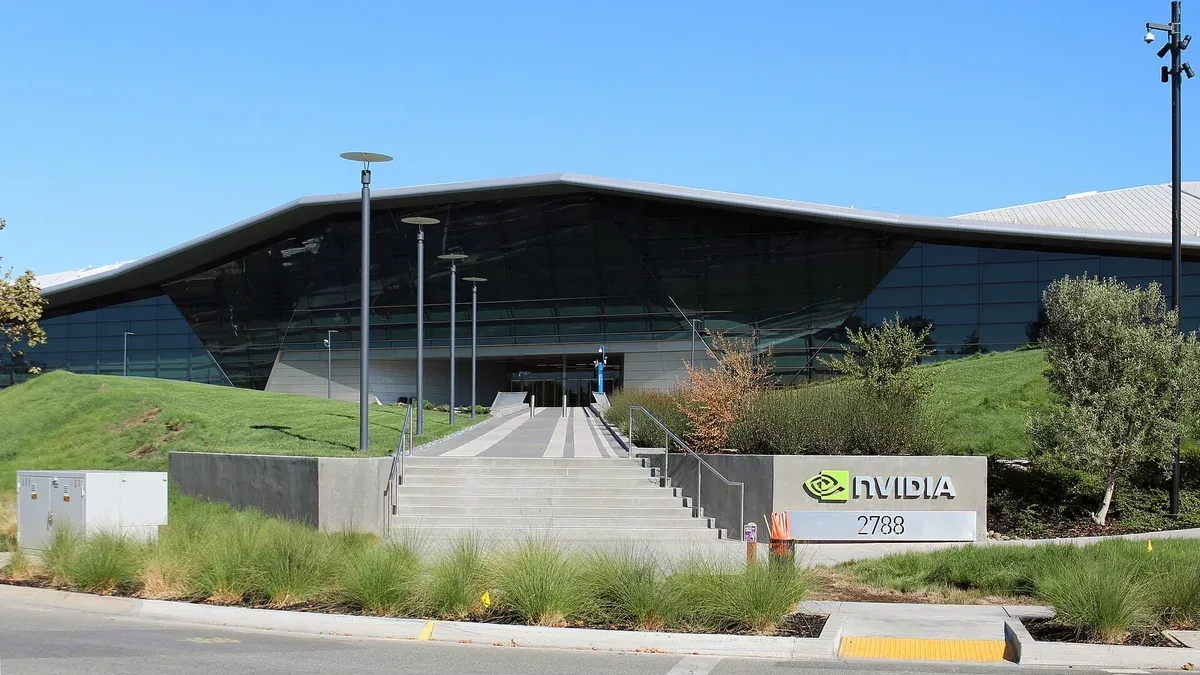
Technology shares led the decline as doubts about the artificial intelligence trade spread through the market. Nvidia, the bellwether of that trade, reported its first quarterly results since the resignation of founder Jensen Huang, and investors sold ahead of the numbers rather than waiting for them.
Rate expectations added to the pressure. Hot producer-price data has pushed traders to price in a near-certain rise in interest rates in December, with CME FedWatch data putting the chance of a 25-basis-point increase at 95.4%. A higher-for-longer path weighs on growth stocks because it raises borrowing costs and lowers the value investors place on future earnings.
S&P 500 Lowest Close Since July: What the Four-Day Slide Means
Monday's session set the tone: the S&P 500 fell 1.9% to 7,416.59, the Nasdaq dropped 2.5% to 24,509.76 and the Dow lost 1.4% to 51,608.17. Tuesday's decline was smaller in percentage terms but it stretched the losing run to four sessions.
Fear gauges flashed the strain. The Cboe Volatility Index, which uses options trading to estimate how much the S&P 500 might move over the next 30 days, jumped 11.6% to 25.57 and spiked as high as 27.73 during the session. The index has risen for four straight sessions, a sign traders are paying up for protection against further falls.
What Comes Next: Nvidia Earnings, Anthropic IPO and Fed Minutes
The picture changed after the closing bell. Nvidia reported third-quarter revenue of $115.8 billion, above the roughly $109 billion analysts expected, with data-centre revenue of $107.6 billion and a fourth-quarter outlook of $130 billion. The beat gives the market its first hard evidence on the AI trade since Huang's departure.
Anthropic is the next test. The AI lab prices its initial public offering on Wednesday, within its $70 to $78 a share range, ahead of its Nasdaq debut on Thursday. A strong debut would support the case that demand for AI assets remains deep; a weak one would deepen Tuesday's doubts. The Federal Reserve releases the minutes of its October meeting on Wednesday at 2 p.m. ET.
Frequently Asked Questions
Why did the S&P 500 fall to its lowest close since July?
Technology shares led the selling as investors questioned the AI trade ahead of Nvidia's first results since Jensen Huang's resignation, while traders priced in a near-certain December rate rise. The index has now fallen for four straight sessions.
How much did the Dow Jones fall on November 17, 2026?
The Dow fell 848.75 points, or 1.6%, to 50,759.42. The S&P 500 dropped 76.06 points to 7,340.53 and the Nasdaq Composite slid 181.37 points to 24,328.38.
What is the VIX and why did it jump on Tuesday?
The Cboe Volatility Index uses options trading to estimate how much the S&P 500 might move over the next 30 days. It jumped 11.6% to 25.57 on Tuesday and spiked as high as 27.73 during the session.