US-Backed Boehly Group Signs $16B Lukoil Deal: OFAC Approval Next
A US-led consortium including a government agency has signed a deal to buy sanctioned Lukoil's $16 billion overseas assets in a $10 billion share swap.
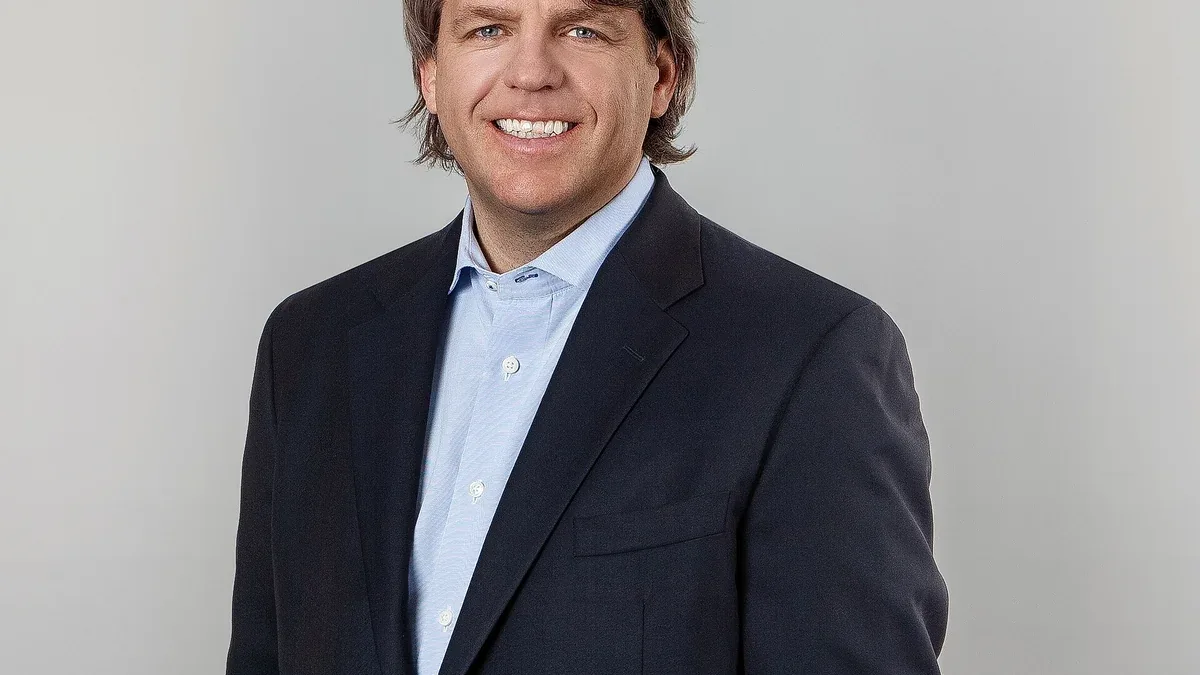
Image: Wikimedia Commons / Eric van den Brulle
WASHINGTON, Nov. 26 — A consortium led by billionaire Todd Boehly and including a United States government agency has signed a deal to buy the overseas assets of sanctioned Russian oil company Lukoil, swapping $10 billion of frozen Lukoil securities for assets valued at about $16 billion.
The agreement, signed Wednesday, still needs approval from the Treasury Department's Office of Foreign Assets Control, which sanctioned Lukoil in October 2025. Boehly said closing could take up to a year, with the venture to be renamed.
Key Takeaways
- The consortium will swap $10 billion of Lukoil securities for all of LUKOIL International, the unit holding the company's non-Russian assets.
- The United States International Development Finance Corp. takes a stake at no upfront cost to taxpayers, with a profit share and a board seat.
- Approval from the Treasury Department's sanctions office is required, and two earlier bidders failed to close deals for the same assets.
- The assets produce about 350,000 barrels a day across 11 countries, with refineries in three European countries and US service stations.
What the $10 Billion Share Swap Covers and How It Works
No cash will change hands. The consortium will exchange restricted Russian shares of Lukoil and other Russian companies for all of the equity in LUKOIL International, the unit that holds the group's assets outside Russia. The frozen shares were bought from funds and banks. Boehly, chairman and chief executive of Eldridge, put it in plain terms: "We're basically exchanging shares that are worthless to Americans ... for cash that is going back to them." The swapped shares will sit in a restricted custodial account in the United Arab Emirates for five years or until sanctions are lifted, so Lukoil receives no windfall. The consortium pairs Eldridge with the development finance agency, United States bank Xtellus Partners and Catena Investment Holding of the United Arab Emirates. The development finance agency takes an ownership interest at no upfront cost to the American taxpayer, plus a share of future profits and a board role.
Why OFAC Approval Is the Decisive Hurdle for the Lukoil Deal
The deal cannot close without a license from the Office of Foreign Assets Control, the Treasury unit that enforces sanctions, which has said no approved deal may provide a windfall to Lukoil. A full review could take some time, and the office's latest license for the sale talks runs until December 19. Gunvor, since renamed Centalion, withdrew its 2025 offer after Treasury Secretary Scott Bessent called it the "Kremlin's puppet." The Carlyle Group signed a deal in January but never received a sanctions office license, and the deal expired.
What the Deal Means for US Policy and Russia's War Funding
If approved, the deal would aid efforts to curb Moscow's ability to fund its war in Ukraine, and Washington would receive a share of future profits. "Moving strategic energy infrastructure assets into US or allied partners' hands is a key policy priority of the administration," an official at the development finance agency said. Two partners left the group last week, the Syrian-Qatari Al-Khayyat brothers and Abu Dhabi-based International Holding Company, removing investors whose ties to the president's son-in-law Jared Kushner could have drawn scrutiny from Democrats.
| Item | Detail |
|---|---|
| Portfolio value | About $16 billion |
| Swap consideration | $10 billion in Lukoil securities |
| Daily production | About 350,000 barrels of oil |
| Producing countries | 11, including Azerbaijan and Kazakhstan |
| Refineries | Netherlands, Bulgaria and Romania |
| US government role | DFC stake, profit share, board seat |
| Approval needed | Treasury, Office of Foreign Assets Control |
| Closing timeline | Up to a year |
Frequently Asked Questions
Who is buying Lukoil's overseas assets?
A consortium led by Eldridge, Todd Boehly's investment firm, with the United States International Development Finance Corp., Xtellus Partners and Catena Investment Holding.
Why does the Lukoil deal need OFAC approval?
The Treasury Department sanctioned Lukoil in October 2025, so any deal needs a license from its sanctions office, which has said no approved deal may provide a windfall to Lukoil.
What happens to the $10 billion in Lukoil shares?
The shares will be exchanged for the overseas assets and held in a restricted custodial account for five years or until sanctions are lifted.
When will the Lukoil deal close?
Boehly said closing could take up to a year. The Treasury review has no set timetable, and the current license allowing negotiations runs until December 19.
The Treasury Department has not said when its review of the deal will conclude. Lukoil did not respond to a request for comment.