Second Judge Blocks Trump's Birthright Order: Who Is Protected & What's Next
A Washington federal judge blocked President Trump's second birthright citizenship order on Wednesday, shielding a nationwide class of newborns.
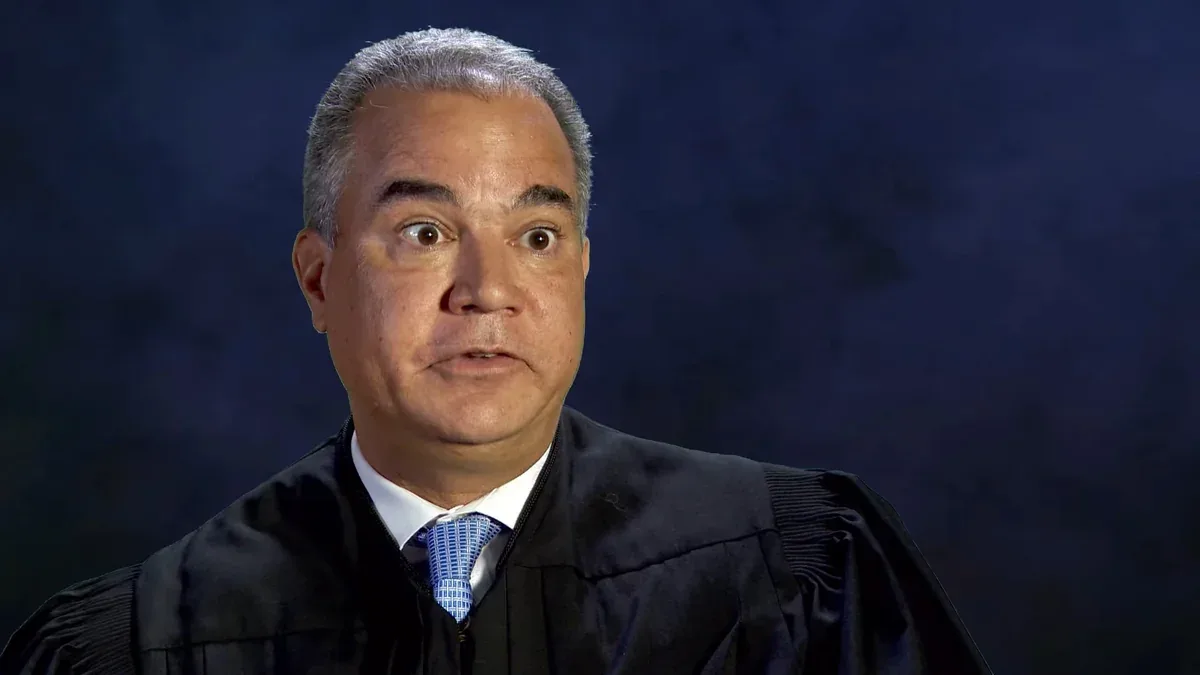
Image: Wikimedia Commons / Administrative Office of the United States Courts
WASHINGTON — A federal judge in Washington blocked Donald Trump’s second birthright citizenship order on Wednesday, November 25, 2026, issuing a classwide preliminary injunction. U.S. District Judge Christopher R. Cooper, in a 67-page memorandum opinion in Nathan v. Trump, ruled that the president cannot invent new exceptions to the Citizenship Clause of the 14th Amendment.
Cooper is the second federal judge to stop Executive Order 14418, signed on August 6, 2026. Judge Deborah Boardman in Maryland blocked it on September 2 for a narrower group, so the administration must overturn both injunctions before it can take effect. Cooper refused to pause his ruling while the administration appeals.
Key Takeaways
- Judge Christopher R. Cooper issued a classwide preliminary injunction on Wednesday, blocking Executive Order 14418.
- The injunction bars the State Department, Homeland Security, and the Social Security Administration from denying citizenship documents to class members.
- Cooper ruled the Citizenship Clause covers all U.S.-born children, and a president cannot add exceptions.
- The administration is expected to appeal, and must overturn a September injunction in Maryland.
What Trump’s August Birthright Citizenship Order Targeted
Executive Order 14418 denies citizenship documents to a child born in the United States when neither parent is a U.S. citizen and one of these applies: a parent is an “alien enemy,” such as a member of a designated terrorist organization; a parent works for a foreign government or international organization and holds immunity; a parent paid for birth tourism or a commercial surrogacy arrangement; or the child was born in a U.S. territory without statutory citizenship.
It was the administration’s second attempt to narrow birthright citizenship. Trump signed his first order on January 20, 2025, his first day back in office; the Supreme Court struck it down on June 30, 2026, in Trump v. Barbara, 6-3, for violating the Citizenship Clause.
Why Judge Cooper Said the Order Cannot Stand
“The merits in this case are clear-cut,” Cooper wrote. “The Supreme Court has twice confirmed that all children born in this country are U.S. citizens, save only for the small handful who are not subject to U.S. law.” The June ruling embraced the court’s 1898 decision in United States v. Wong Kim Ark.
“The President cannot carve out new exceptions to birthright citizenship for children born within the United States and subject to its laws,” Cooper wrote. The 1898 decision allows only narrow exceptions: children of foreign diplomats, children born aboard foreign public ships, and children of enemy forces occupying American territory. “While the Fourteenth Amendment may theoretically permit new exceptions beyond those listed in Wong Kim Ark, Congress has not authorized any such exceptions,” he wrote.
Cooper rejected the argument that a parent’s suspected terrorist ties bring a child within the enemy-forces exception. The American Civil Liberties Union and three other civil-rights groups brought the case in September.
What Happens Next for Birthright Citizenship
The administration is expected to appeal and ask for the order to be enforced temporarily while the case continues. It could seek that relief from the D.C. Circuit or the Supreme Court. White House spokeswoman Lauren Bis called it “just another ruling from an activist judge appointed by (former President Barack) Obama attempting to thwart President Trump’s commonsense agenda.”
Cody Wofsy, the ACLU lawyer for the plaintiffs, said Trump “needs to accept that birthright citizenship is the law of the land.” “The Supreme Court has twice rejected efforts to gut birthright citizenship, in 1898 and again earlier this year. Third time is not the charm,” he said.
| Date | Development |
|---|---|
| August 6, 2026 | Trump signs Executive Order 14418 |
| November 25, 2026 | Judge Christopher R. Cooper in Washington issues a classwide preliminary injunction |
Frequently Asked Questions
Is birthright citizenship still the law in the U.S.?
Yes. Cooper ruled the Citizenship Clause promises citizenship to practically all children born in the United States, and two injunctions now bar enforcement of the order. The administration must win both appeals before it can take effect.
What did Judge Cooper’s ruling decide?
In Nathan v. Trump, Cooper certified a class and issued a classwide preliminary injunction barring the State Department, Homeland Security, and the Social Security Administration from enforcing the order against children in the class.
Can the Trump administration still enforce the order?
Not unless it overturns both injunctions. The administration is expected to appeal to the D.C. Circuit and may seek temporary relief from the Supreme Court. No notice of appeal had been filed by Wednesday evening.