US Economy Grew 4.3% in Q3: What It Means for Rates and Jobs
US GDP grew 4.3% in Q3 2026, revised up from 3.4%, as consumer spending and AI-driven business investment powered the fastest growth in three years.
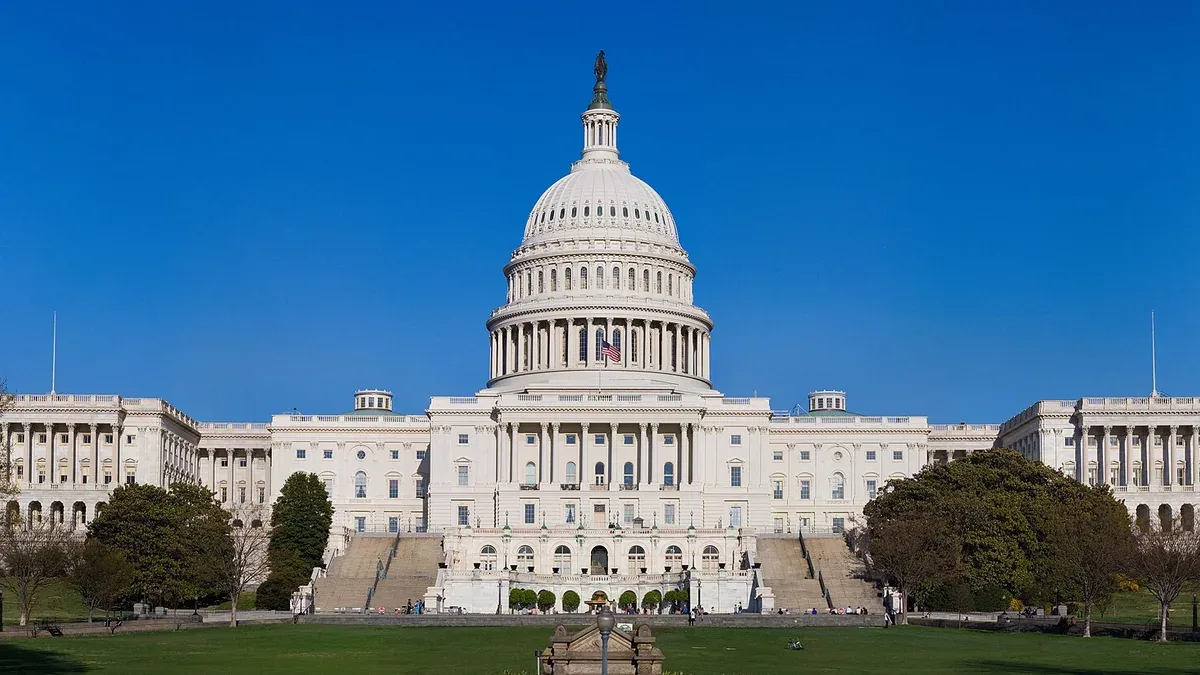
Image: Wikimedia Commons / Noclip
WASHINGTON, Nov. 25, 2026 — The United States economy grew at an annual rate of 4.3 percent in the third quarter of 2026, the Commerce Department's Bureau of Economic Analysis said on Wednesday, in a sharp upward revision that made the July-to-September period the fastest quarter of growth in three years.
The second estimate raised growth by 0.9 percentage points from the 3.4 percent advance estimate, well above the 3.5 percent pace economists polled by Reuters had expected.
Key Takeaways
- Real GDP grew 4.3 percent in Q3 2026, up from 3.4 percent — the fastest since Q3 2023.
- Consumer spending rose 4.2 percent, revised up from 3.8 percent, and accounts for more than two-thirds of the economy.
- Real final sales to private domestic purchasers rose 5.8 percent, the fastest since the second quarter of 2021.
- Inflation stayed firm: the PCE price index rose 2.1 percent in the quarter and 3.8 percent year on year in October.
What Drove the 4.3% GDP Growth in Q3 2026?
The Bureau of Economic Analysis said the expansion was driven by investment, consumer spending and government spending, partly offset by lower exports. The investment revision was led by intellectual property products, notably software, and the spending revision by stronger goods purchases.
Business investment was the single biggest driver, with software spending at its center — a sign of heavy investment in artificial intelligence. Within goods, the upgrade was led by pharmaceuticals, recreational goods and vehicles, and gasoline. President Donald Trump welcomed the figures, describing the economy as "roaring".
| Measure (annual rate) | Advance estimate | Second estimate |
|---|---|---|
| Real GDP, Q3 2026 | 3.4% | 4.3% |
| Consumer spending | 3.8% | 4.2% |
| Real final sales to private domestic purchasers | 4.9% | 5.8% |
| PCE price index | 2.1% | 2.1% |
| PCE price index excluding food and energy | 2.5% | 2.5% |
What Does 4.3% GDP Growth Mean for Interest Rates?
Stronger growth arrived alongside firm inflation, and the combination reinforced expectations that the Federal Reserve will raise interest rates at its December meeting, with a further rise expected in early 2027. The Federal Reserve's preferred inflation gauge, the PCE price index, rose 2.1 percent in the quarter, with the core index up 2.5 percent. How the Federal Reserve sets interest rates explains how the central bank decides.
Separate data showed the PCE price index rose 0.3 percent in October after a 0.5 percent rise in September, leaving it 3.8 percent higher than a year earlier. The European Central Bank's October account showed many members ready to raise rates, with a December increase likely. Read the ECB account in full.
How Strong Is the US Consumer Heading Into 2027?
Households carried much of the quarter's strength. Consumer spending grew at a 4.2 percent annual pace, and early holiday data pointed to demand holding up: Americans spent $82.5 billion online from November 1 through November 22, up 9.1 percent on the same weeks last year, according to Adobe data.
Exports were the one clear drag, falling even as domestic demand surged. The trade backdrop stayed unsettled, with the U.S. Trade Representative proposing new duties on 14 trading partners the same day. Read about the proposed tariffs.
The Bureau of Economic Analysis will publish its third estimate, with corporate profits and state-level data, on December 23, 2026.
Frequently Asked Questions
How fast did the US economy grow in the third quarter of 2026?
Real GDP grew at an annual rate of 4.3 percent in the third quarter of 2026, in the Bureau of Economic Analysis's second estimate on November 25. That was revised up from 3.4 percent, nearly double the second quarter's 2.2 percent, and the fastest quarterly growth in three years.
Why was US GDP revised up from 3.4% to 4.3%?
The 0.9 percentage point revision reflected stronger investment and consumer spending than the first estimate captured. The investment upgrade was led by software, and the spending upgrade by goods such as pharmaceuticals, recreational goods and gasoline.
What does 4.3% GDP growth mean for interest rates?
Faster growth alongside firm inflation reinforces the case for the Federal Reserve to raise interest rates, with an increase expected at the December meeting and a further rise in early 2027. The PCE price index rose 2.1 percent in the quarter and the core index 2.5 percent, both above the Federal Reserve's 2 percent target.
When is the next US GDP estimate released?
The Bureau of Economic Analysis will release its third estimate on December 23, 2026, at 8:30 a.m. Eastern time, alongside corporate profits and state-level data.