Canada, China Agree C$400M Tariff Relief: Pork, Seafood & Steel
Canada and China agreed tariff relief worth about C$400 million on pork and seafood after Mark Carney met Xi Jinping in Shenzhen on Tuesday.
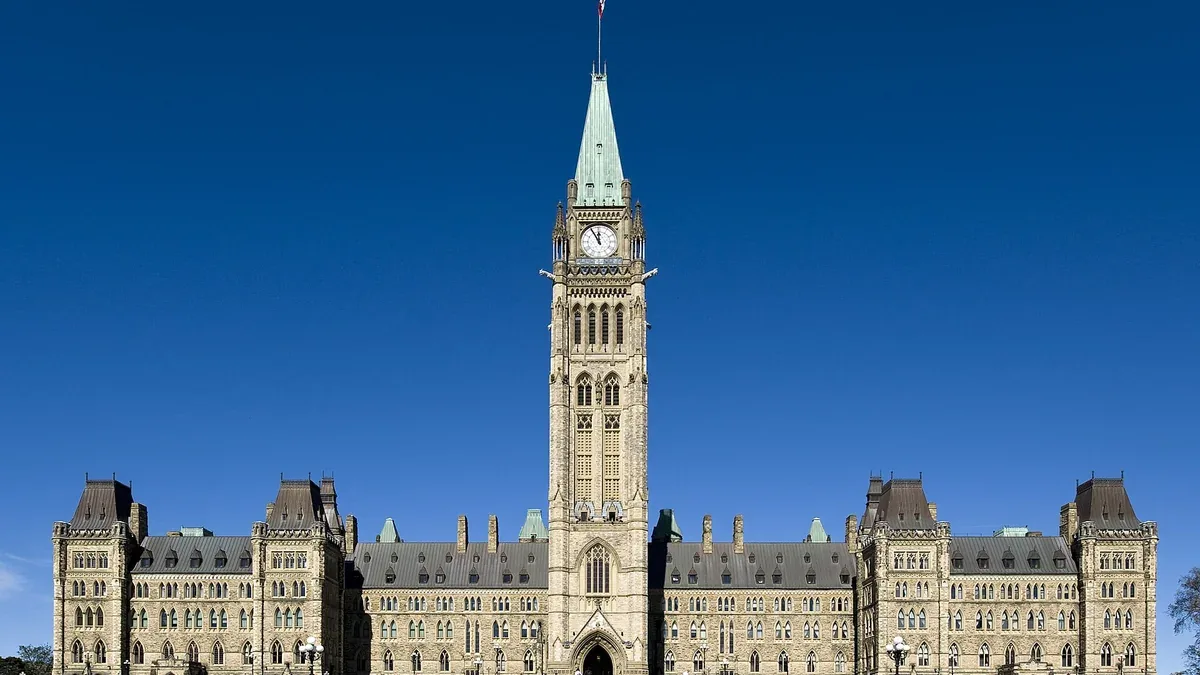
Image: Wikimedia Commons / Saffron Blaze
SHENZHEN, China — China will cut tariffs on Canadian exports worth about C$400 million, including frozen pork cuts and fish and seafood, after Prime Minister Mark Carney met Chinese President Xi Jinping on Tuesday, November 17, 2026, at the APEC summit, the Prime Minister's Office said in a statement.
The two leaders agreed to extend and expand a preliminary trade arrangement first reached in January, when Carney's Beijing visit launched a new strategic partnership. Carney said Canada was well ahead of schedule in its goal of lifting exports to China by 50 per cent by the end of the decade.
Key Takeaways
- Tariff relief on about C$400 million of Canadian exports: C$116 million in frozen pork cuts, C$285 million in fish and seafood.
- Arrangement runs to December 31, 2028; China suspends anti-discrimination tariffs from January 1, 2027.
- Canada will extend steel and aluminium remissions by two years and add 32 tariff items.
- Canada says market access is restored for over 90 per cent of tariff-hit trade, worth nearly C$7.5 billion.
What the C$400 Million Tariff Relief Covers
The relief covers frozen pork cuts worth C$116 million and fish and seafood worth C$285 million, the Prime Minister's Office said. The seafood list includes frozen shrimp and prawns, geoduck, sea cucumber and Greenland halibut. It builds on relief for canola meal, peas, lobster and crab extended earlier this month.
| Product | Exports covered |
|---|---|
| Frozen pork cuts | C$116 million |
| Fish and seafood | C$285 million |
| Canola meal, peas, lobster, crab | Extended two years |
| Total additional relief | About C$400 million |
Why Canada Is Extending Steel Remissions
In exchange, Canada will extend by two years remissions for certain Chinese steel and aluminium products set to expire at the end of 2026, and add 32 tariff items — 23 steel and nine aluminium — where Canadian supply falls short. The swap follows January's deal allowing 49,000 Chinese electric vehicles a year at a 6.1 per cent tariff.
How the Deal Fits Carney's US Diversification Plan
A major plank of Carney's economic strategy is to reduce Canada's heavy reliance on the United States, which has imposed hefty tariffs on many Canadian products. In 2025, bilateral merchandise trade with China reached C$125.6 billion, up 5.6 per cent, and China took C$35.1 billion of Canada's merchandise exports. Trade with China adds C$6.9 billion to Canada's GDP, the Prime Minister's Office said.
The visit also produced a 2027 trade mission to China, a Canada-China Year of e-Commerce, and C$8 million for a council advising on environment and development. Air Canada will launch Vancouver–Guangzhou flights in May 2027, and five Canadian arts companies signed deals worth over C$15 million.
Critics have warned that closer ties with Beijing could compromise Canadian security and values, citing the imprisonment of Hong Kong publisher Jimmy Lai, China's execution of four Canadians last year, and intelligence findings that Beijing interfered in two federal elections. China has said it has no interest in interfering in Canada's internal affairs.
Carney said in the statement: "Canada and China have recalibrated our relationship to the benefit of citizens in both countries. We have unlocked billions in new export orders for Canadian farmers, ranchers, and fish harvesters — for workers and businesses across the country."
Frequently Asked Questions
What products are covered by the Canada-China tariff relief announced on November 17, 2026?
The relief covers C$400 million of Canadian exports: C$116 million in frozen pork cuts and C$285 million in fish and seafood, including spot prawn, geoduck, sea cucumber and Greenland halibut.
How much tariff relief did China agree to give Canadian exports?
China agreed to relief for approximately C$400 million in Canadian exports, and to suspend anti-discrimination tariffs from January 1, 2027, to December 31, 2028.
Why is Canada extending tariff remissions on Chinese steel and aluminium?
In exchange, Canada will extend remissions for Chinese steel and aluminium products to December 31, 2028, and add 32 items where Canadian supply falls short.
What is Canada's goal for exports to China by 2030?
Carney aims to lift exports to China by 50 per cent by the end of the decade, and said Canada was well ahead of schedule.
Carney will represent Canada at the APEC Economic Leaders' Meeting in Shenzhen on Wednesday, ahead of a planned trilateral meeting on Thursday between Donald Trump, Xi Jinping and Vladimir Putin. Carney's Asia trip comes as leaders gather across the region, with the ASEAN summit opening in Manila, while at home inflation held at 3.1 per cent in October.