Houthis Claim Strikes on Saudi Pipeline, Riyadh Airport: Oil Impact
Yemen's Houthis say they fired missiles at Riyadh airport and drones at two pipeline pumping stations; Saudi Arabia reported a limited fire, no injuries.
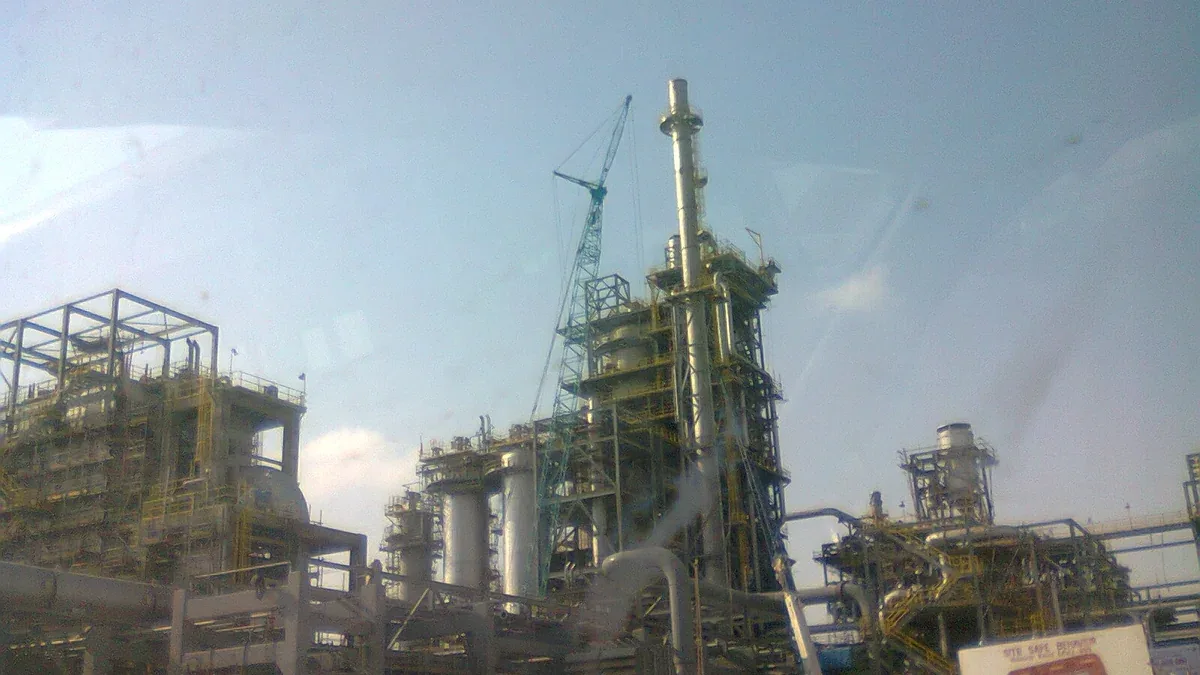
Image: Wikimedia Commons / Suresh Babunair
RIYADH — Yemen's Houthi movement said on Sunday it had fired ballistic missiles at Riyadh's main airport and a financial centre, and drones at two pumping stations on Saudi Arabia's East-West oil pipeline. Saudi Arabia reported a limited pipeline fire in the Medina region on Monday, with no injuries and no disruption to operations, state media said.
Houthi spokesman Yahya Sarea said two ballistic missiles targeted King Khalid International Airport and a financial centre, and two drones struck pumping stations No. 5 and No. 6. The Saudi-led coalition said its air defences intercepted drones over Makkah, Madinah and the Eastern Province and destroyed two missiles heading for the capital.
Key Takeaways
- The Houthis claimed Sunday strikes on King Khalid International Airport, a Riyadh financial centre and two pipeline pumping stations.
- Saudi Arabia reported a limited fire on the pipeline in the Medina region, with no injuries and operations unaffected.
- The Saudi-led coalition said it intercepted drones over Makkah, Madinah and the Eastern Province and two missiles heading for Riyadh.
- About 4 million barrels a day, roughly 4 percent of global supply, now moves through the pipeline after Hormuz shipping was disrupted.
What Is the East-West Pipeline and Why Does It Matter for Oil?
The East-West Pipeline, also known as Petroline, runs about 1,200 kilometres from Abqaiq to Yanbu on the Red Sea and can carry up to 7 million barrels a day. It is the kingdom's main route for moving crude without passing through the Strait of Hormuz, which Iran has sought to disrupt since the war began in February. With strait shipping disrupted, Riyadh has rerouted about 4 million barrels a day through it, about 4 percent of global supply. The U.S. Energy Information Administration lists both as critical chokepoints in its world oil transit chokepoints data.
Did the Houthi Strikes Disrupt Saudi Oil Exports?
On the evidence published so far, no. Saudi state media reported a limited fire in the Medina region, no injuries, and operations unaffected. The report did not name who was responsible, and Saudi authorities did not confirm damage at pumping stations No. 5 and No. 6. There is also no independent confirmation of damage in Riyadh: the coalition said it destroyed two missiles heading for the capital, while Sarea rejected its account of interceptions over Makkah and Madinah.
| Target | What the Houthis said | What Saudi authorities said |
|---|---|---|
| King Khalid International Airport | Two ballistic missiles fired | Both missiles destroyed |
| Financial centre, Riyadh | Targeted in the same salvo | No damage reported |
| Pipeline pumping stations No. 5 and 6 | Two drones struck the stations | Limited fire; operations unaffected |
How the Houthi Attacks on Saudi Arabia Fit the Wider War
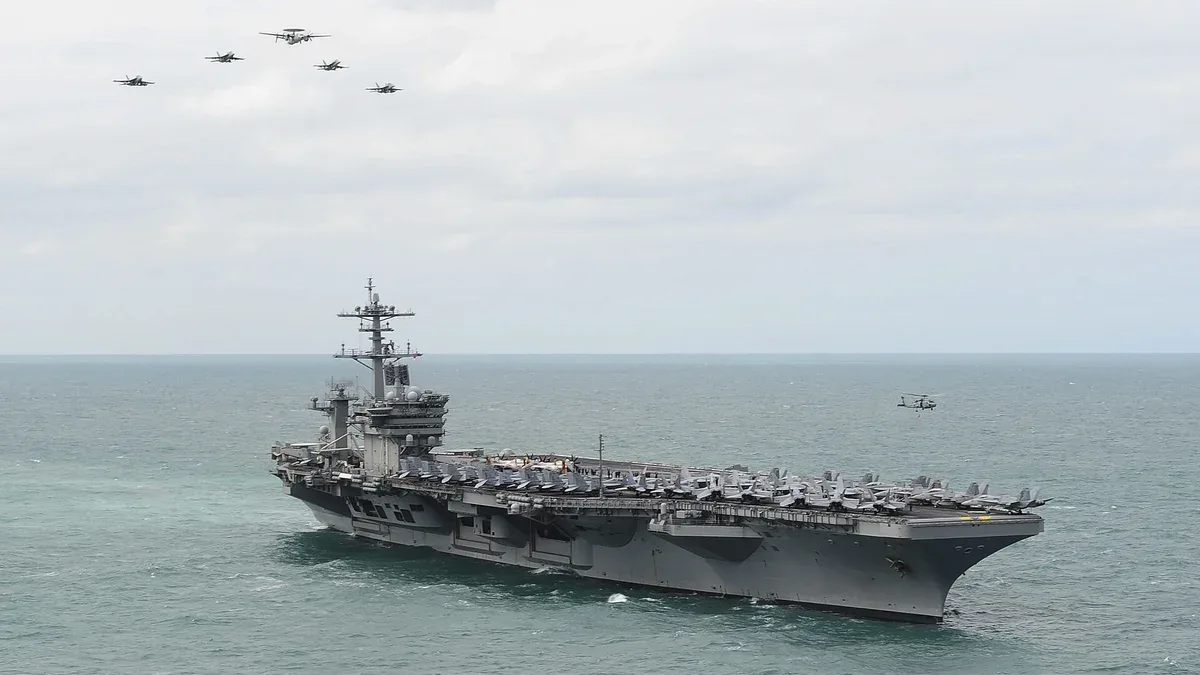
Sunday brought pressure on two fronts. In Yemen, Saudi-backed forces pulled back from the Bab el-Mandeb Strait to defend Aden, while Iran fired drones at United States bases in Bahrain, as covered in our report on the Bahrain strikes. The strikes also came as the USS Theodore Roosevelt joined the blockade of Iranian ports, and as President Donald Trump said the United States no longer needs a deal with Iran. The Houthis said the attacks aim to force Saudi Arabia to end its military operations in Yemen; the group has stepped up strikes on Saudi targets since July. For the full picture in Yemen, see our Bab el-Mandeb report.
Frequently Asked Questions
Is Saudi Arabia's East-West Pipeline still operating after the attack?
Yes, according to Saudi state media: a limited fire in the Medina region, no injuries, and operations unaffected.
What did the Houthis target in Riyadh on Sunday?
According to spokesman Yahya Sarea, two ballistic missiles targeted King Khalid International Airport and a financial centre, and two drones targeted pumping stations No. 5 and No. 6. The coalition said both missiles were destroyed before reaching Riyadh.
How much oil flows through Saudi Arabia's East-West Pipeline?
About 4 million barrels a day, roughly 4 percent of global supply, since Strait of Hormuz shipping was disrupted. The 1,200-kilometre pipeline runs from Abqaiq to Yanbu and can carry up to 7 million barrels a day.
Why are the Houthis attacking Saudi oil infrastructure now?
The Houthis said the strikes aim to force Saudi Arabia to end its military operations in Yemen, as the group has stepped up attacks since July and consolidated gains around the Bab el-Mandeb Strait.
The two sides' versions of Sunday's attacks remain in direct conflict.