Houthis Take Control of Bab el-Mandeb Strait: What It Means for Global Shipping
Yemeni government forces have withdrawn from the Bab el-Mandeb Strait, leaving the Houthis in control of a chokepoint carrying Asia-Europe trade.
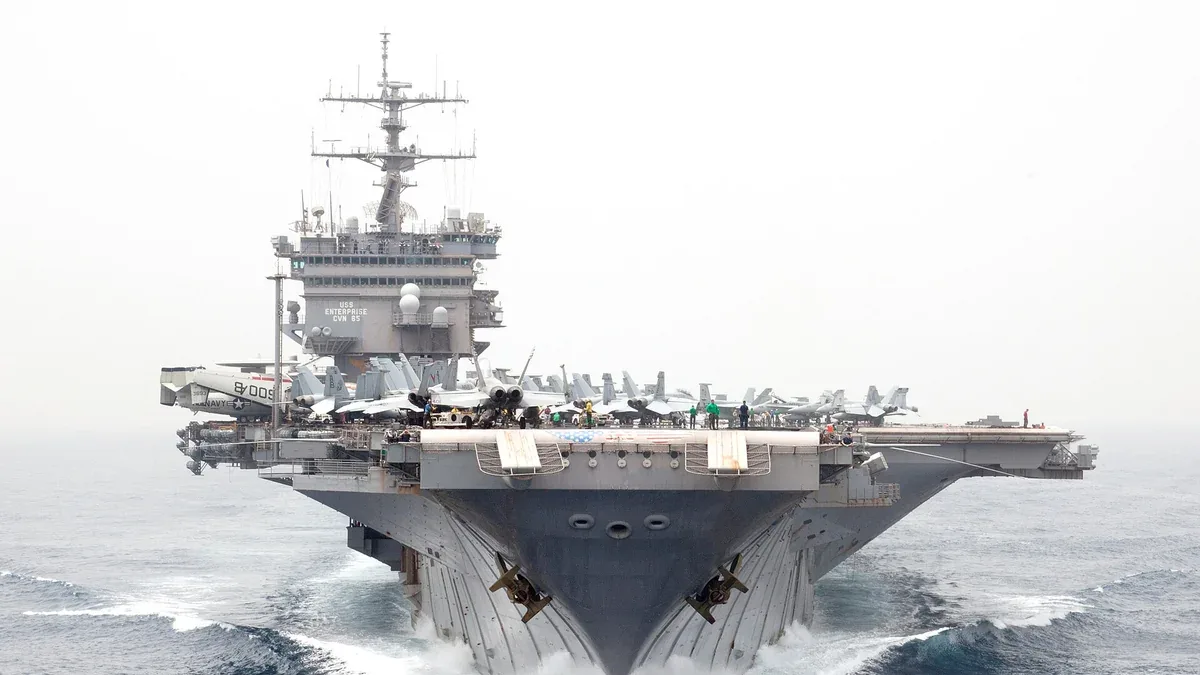
Image: Wikimedia Commons / U.S. Navy photo by Mass Communication Specialist 2nd Class Brooks B. Patton Jr.
Sunday, November 15, 2026 — Forces loyal to Yemen’s internationally recognised government announced on Sunday that they were pulling out of positions overlooking the Bab el-Mandeb Strait, handing the Iran-aligned Houthis control of one of the world’s busiest shipping chokepoints.
The Southern Armed Forces said their troops were redeploying from Dhubab Airport and the Bab el-Mandeb area, west of Taiz Governorate, toward Aden, the seat of the internationally recognised government.
Key Takeaways
- Yemen’s Southern Armed Forces announced on Sunday, November 15, a withdrawal from Dhubab Airport and the Bab el-Mandeb area.
- The withdrawal leaves the Iran-aligned Houthis in control of the Bab el-Mandeb Strait, a chokepoint for Asia-Europe trade.
- The move follows a Houthi push south in September and a government counteroffensive in October, fighting that broke a United Nations-brokered truce from 2022.
- It puts a second shipping chokepoint under pressure while Iran disrupts traffic through the Strait of Hormuz.
Why the Bab el-Mandeb Strait Matters for Global Shipping
The Bab el-Mandeb Strait is the narrow passage between Yemen and the African coast that connects the Red Sea with the Gulf of Aden. About 18 miles wide at its narrowest point, according to the U.S. Energy Information Administration, it is one of the world’s most important seaborne trade routes, carrying cargo between Asia and Europe through Egypt’s Suez Canal.
Ships carrying oil, liquefied natural gas, containers and grain pass through it daily, and any threat pushes up shipping costs, insurance rates and delivery times. Since the Houthis began attacking merchant shipping in the Red Sea, many firms have rerouted vessels around Africa, adding days to voyages and raising freight costs.
How the Houthis Gained Ground at Bab el-Mandeb
The fight for the strait has moved quickly since September, when Houthi fighters pushed south to seize Yemen’s Red Sea coast. Government forces launched an October campaign to recapture the coast, and last month they said they had retaken Dhubab and the port city of Mokha. Sunday’s announcement reverses that gain.
| Date | Development at Bab el-Mandeb |
|---|---|
| September 2026 | Houthi fighters push south toward the Bab el-Mandeb area |
| October 2026 | Government forces launch a campaign to retake the coast |
| October 2026 | Government troops say they retake Dhubab and Mokha |
| November 15, 2026 | Southern Armed Forces announce withdrawal from Dhubab and Bab el-Mandeb |
The Houthis already control much of northern Yemen, including the capital, Sanaa. The Southern Armed Forces said the redeployment was aimed at securing Aden and breaking the Houthi siege on Taiz.
What the Bab el-Mandeb Withdrawal Means for the US and Europe
The withdrawal hands a second chokepoint to Iran and its allies. Iran has disrupted traffic through the Strait of Hormuz, the passage for much of the Gulf’s oil. Iran’s Revolutionary Guards claimed on Sunday to have attacked a United States radar system in Bahrain, and the two straits together now squeeze Gulf oil producers and Asia-Europe trade.
The United States has a direct stake: its Fifth Fleet is headquartered in Bahrain, and American forces have struck Houthi targets in Yemen during the war. A Houthi-held strait raises the risk of higher fuel and goods prices for American and European consumers. The United Nations Security Council maintains an arms embargo on the Houthis and a sanctions regime for Yemen, and the Security Council Committee overseeing the Yemen sanctions tracks the embargo, assets freeze and travel ban on designated individuals. The Council renewed the Yemen sanctions and Houthi arms embargo as the fighting continued, and Qatar has said there is a two-week window for diplomacy with Iran.
Frequently Asked Questions
Where is the Bab el-Mandeb Strait and why is it important?
The strait sits between Yemen and the African coast, linking the Red Sea to the Gulf of Aden. It is about 18 miles wide at its narrowest point and carries a large share of Asia-Europe cargo through the Suez Canal,
Who controls the Bab el-Mandeb Strait now?
The Iran-aligned Houthis control the strait after Yemen’s Southern Armed Forces announced on Sunday, November 15, that they were withdrawing from Dhubab Airport and the Bab el-Mandeb area. The Houthis already control much of northern Yemen, including the capital, Sanaa.
Will shipping through the Bab el-Mandeb Strait stop?
No closure has been announced, and vessels are still passing through it. The risk is higher shipping and insurance costs and more diversions around Africa.
The Southern Armed Forces said the redeployment would secure Aden and strengthen front lines. They have not said when it will be complete.