Netanyahu Presses Trump on Iran Strikes as Gulf Allies Push for Talks
Israel's spy chief lobbied Washington for a new air campaign on Iran while Gulf states, Pakistan and Turkey pressed the US to avert all-out war.
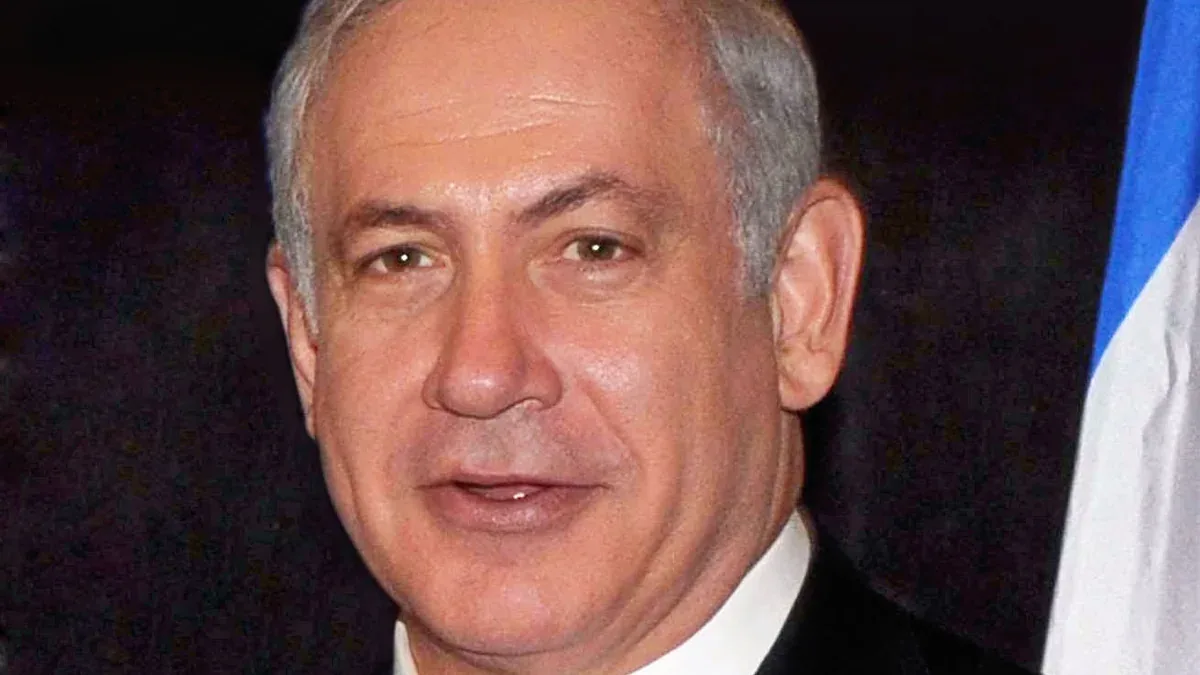
Image: Wikimedia Commons / Benjamin Netanyahu on September 14, 2010.jpg : US State Dept. derivative work: TheCuriousGnome
WASHINGTON, Friday, November 20, 2026 — American allies in the Middle East are pressing to stop a return to all-out war with Iran, as Israeli Prime Minister Benjamin Netanyahu presses President Donald Trump to approve a new joint air campaign, regional officials and people familiar with the matter said. Israel's spy chief, Roman Gofman, met CIA Director John Ratcliffe in Washington last week, then met US envoy Steve Witkoff in Miami. Trump has said he will not decide until after the new year.
The lobbying has intensified after a week of tit-for-tat attacks across the Gulf. Iran fired drones and missiles at the Ali Al Salem air base in Kuwait and launched several attacks on Bahrain on Wednesday, after a US strike on a Revolutionary Guard missile site on Qeshm Island the day before. On Friday, a US-launched missile struck the outskirts of Qeshm city, according to Iran's Tasnim news agency, with no immediate reports of casualties.
Key Takeaways
- Mossad chief Roman Gofman urged Ratcliffe and Witkoff to back a multi-day air campaign against Iran's nuclear and missile sites.
- Gulf states, Pakistan and Turkey have lobbied the US to avert a renewed war.
- Trump will wait until after January 1 to decide on new strikes.
- The war has cost the US military more than $48 billion since February 28.
What Gofman Asked Washington to Do
Gofman presented Israeli intelligence on Iran's nuclear programme and urged a new multi-day air campaign, according to people familiar with the matter. He also relayed Israeli alarm over Iran's alleged work on chemical weapons, and a US official confirmed Trump has been briefed on the fresh intelligence. US Central Command chief Admiral Brad Cooper met Zamir and Gofman in Tel Aviv on Wednesday. The CIA has declined to comment.
Netanyahu, now a caretaker prime minister, has pushed for renewed attacks for months.
Why Gulf States Oppose New Strikes
The Gulf states' concern is that any new round of fighting would be more devastating than the war so far. Regional officials believe Iran and its allies would retaliate against US military facilities and against oil facilities, power and desalination plants, and undersea cables vital to the region's finances and communications. They also fear Houthi attacks on shipping through the Bab el-Mandeb Strait.
The economic stakes are already visible in the Strait of Hormuz, where a US naval blockade has helped restore the passage of some oil tankers. Brent crude rose 24 cents to $92.22 a barrel on Friday, while US West Texas Intermediate climbed to $83.40.
When Trump Will Decide on Iran
Trump has sent mixed messages, saying new strikes are highly unlikely but also recently saying the military was "locked and loaded". In an interview with Axios on Thursday, he said he was in no rush and would wait until after the new year to decide whether to restart military action. On Friday, he said Iran had failed to offer terms acceptable to him.
The Senate rejected a war powers resolution on the Iran conflict by 51 votes to 48. Senate Republicans have now suspended their effort to pass the $350 billion package of additional military spending. Government funding is due to lapse after December 11.
| Measure | Figure | Source |
|---|---|---|
| War began | February 28, 2026 | US-Israeli strikes on Iran |
| Cost to US military so far | More than $48 billion | Pentagon official |
| Ali Al Salem air base strikes | At least 30 | Associated Press analysis |
| Brent crude, Friday | $92.22 a barrel | Market data |
| Senate war powers vote | 51-48 against | US Senate |
Frequently Asked Questions
Is the US about to launch new strikes on Iran?
No decision has been made. Trump said he will wait until after January 1, and Secretary of State Marco Rubio has argued the pressure campaign can continue instead.
Who is Roman Gofman, and why did he visit Washington?
Gofman heads Israel's Mossad intelligence service. He met CIA Director John Ratcliffe and envoy Steve Witkoff and pressed for a multi-day US-Israeli air campaign.
Why do Gulf states oppose renewed strikes on Iran?
Gulf states fear Iranian retaliation against their oil facilities and undersea cables, as well as Houthi disruption of shipping through the Bab el-Mandeb Strait.
How much has the Iran war cost the United States?
The war has cost the US military more than $48 billion since late February, according to a Pentagon official. Senate Republicans have paused a $350 billion Pentagon funding package.
Trump has said he will decide after the start of the new year whether to approve new strikes.