ICJ Finds Myanmar Guilty of Genocidal Intent: What the Ruling Means
The UN's top court found Myanmar acted with genocidal intent in its 2017 crackdown, which killed about 10,000 Rohingya, in a first-of-its-kind ruling.
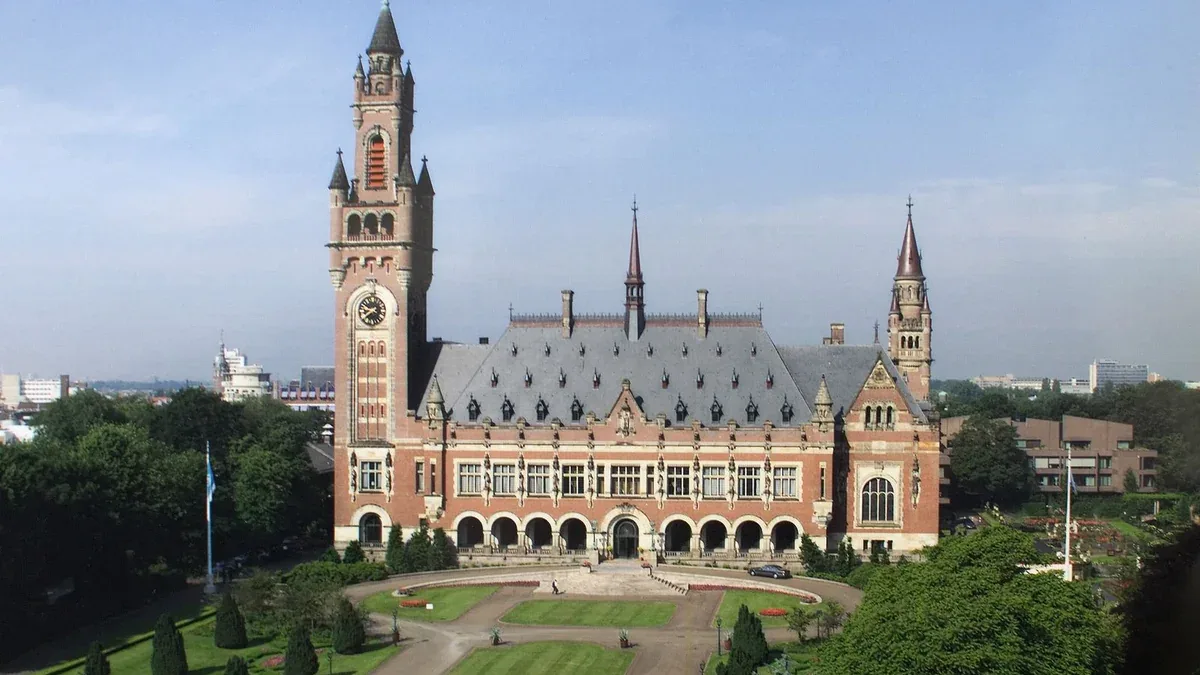
Image: Wikimedia Commons / International Court of Justice; originally uploaded by Yeu Ninje at en.wikipedia.
THE HAGUE, Nov 19 — The International Court of Justice ruled on Thursday that Myanmar acted with genocidal intent in its 2017 military crackdown on the Rohingya, finding that its security forces killed about 10,000 people and committed widespread sexual violence. Court President Yuji Iwasawa delivered the judgment at the Peace Palace in The Hague, in a case brought by The Gambia in November 2019 under the 1948 Genocide Convention.
The ruling is the first time the court has found a state responsible for genocide, and only the third time it has ruled on the merits of a genocide case. It is final and binding, with no right of appeal. More than 730,000 Rohingya fled to Bangladesh during the 2017 operations, and about 1.2 million now live in refugee camps at Cox's Bazar.
Key Takeaways
- Myanmar's forces killed thousands of Rohingya civilians, committed widespread sexual violence and extreme violence against children, and attacked fleeing civilians.
- Judges put the number violently killed in the 2017 clearance operations at about 10,000.
- The judgment is final and binding, but the court has no enforcement arm; The Gambia can ask the UN Security Council to act.
- About 1.2 million Rohingya remain in camps in Bangladesh, and the ruling alone does not make return safe.
What Did the ICJ Rule on Myanmar and the Rohingya?
Reading the judgment, Judge Iwasawa said the court found that Myanmar's forces "killed thousands of Rohingya civilians, perpetrated widespread acts of sexual violence as well as acts of extreme violence against children and attacked fleeing Rohingya as they sought to flee in large numbers to Bangladesh". In specific cases, he said, Myanmar had acted with "genocidal intent". The court acknowledged that Arakan Rohingya Salvation Army fighters had attacked security outposts and civilians. Myanmar has consistently rejected the allegations, calling the operation a legitimate counterterrorism campaign. The threshold is exceptionally high: judges must conclude that intent is the only reasonable inference from the evidence.
The case was filed by The Gambia with the backing of the Organisation of Islamic Cooperation. Canada and the United Kingdom intervened with Denmark, France, Germany and the Netherlands in a joint declaration of intervention under Article 63 of the court's statute, admitted in July 2024.
How Many Rohingya Were Killed in 2017 and Where Are They Now?
The court determined that about 10,000 Rohingya were violently killed during the clearance operations in Rakhine State in 2017. More than 730,000 fled to Bangladesh. More than 1.3 million remain displaced across South and Southeast Asia, including about 1.2 million in the camps at Cox's Bazar, according to the United Nations.
The court settles disputes between states and cannot try individuals — that is the role of the International Criminal Court. The Gambia asked the court to declare Myanmar in breach of the Convention, order it to prevent further prohibited acts, provide reparations and guarantee the crimes do not recur.
| Date | Step |
|---|---|
| 11 Nov 2019 | The Gambia files the case |
| Jan 2020 | Court orders provisional measures |
| 22 July 2022 | Court confirms jurisdiction |
| 15 Nov 2023 | Six states file a joint intervention |
| 12–29 Jan 2026 | Merits hearings at The Hague |
| 19 Nov 2026 | Final judgment: genocidal intent found |
What Happens Next After the ICJ Genocide Ruling on Myanmar?
The court has no independent means of enforcing its judgments. If Myanmar ignores the ruling, The Gambia can ask the United Nations Security Council to act. The judgment does not by itself make return safe, restore citizenship or pay compensation.
Frequently Asked Questions
Did the ICJ find Myanmar guilty of genocide against the Rohingya?
Yes. The court found Myanmar's forces acted with genocidal intent in the 2017 operations, which killed about 10,000 Rohingya.
How many Rohingya were killed in Myanmar in 2017?
About 10,000 were killed in the 2017 operations, the court determined. More than 730,000 fled to Bangladesh, and about 1.2 million now live in camps at Cox's Bazar.
Can the ICJ enforce its ruling against Myanmar?
No. The court has no police force or enforcement arm. If Myanmar ignores the ruling, The Gambia can ask the United Nations Security Council to act.
Will Rohingya refugees return to Myanmar after the ICJ ruling?
Not automatically. The judgment does not by itself make return safe, restore citizenship or pay compensation. Refugees hope it strengthens their demand for a safe, voluntary and dignified return.
The judgment is final, with no right of appeal. The Gambia can ask the United Nations Security Council to act if Myanmar does not comply with it.