US Warns Americans in Middle East of Houthi Attacks: What to Know
The US State Department has warned Americans across the Middle East to stay vigilant after a Houthi drone strike hit a Riyadh tower, injuring 11 people.
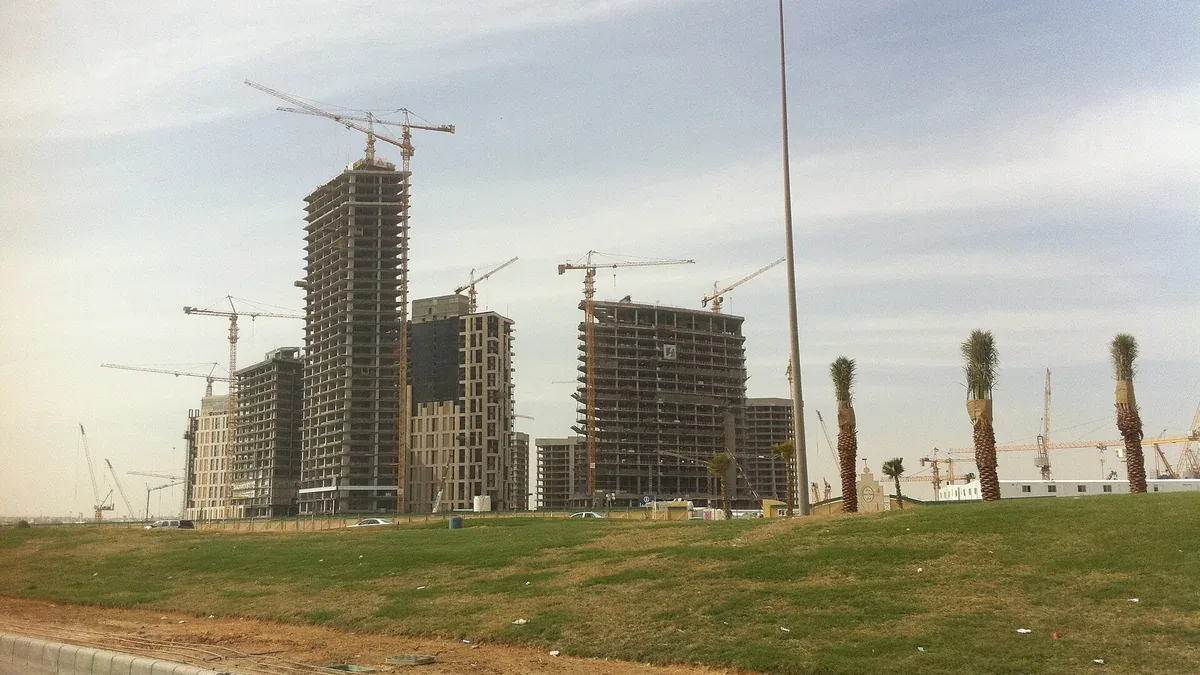
Image: Wikimedia Commons / haitham alfalah
WASHINGTON, Nov. 25 — The United States State Department warned Americans across the Middle East on Tuesday to exercise heightened vigilance, citing a growing threat of armed attacks by Iranian-backed Houthi forces and Iranian efforts to target American government officials and facilities.
The alert, issued through American embassies across the region, told citizens to watch for security alerts, flight cancellations, airspace closures, and travel disruption, and warned that hostilities could escalate rapidly. It followed a drone strike on a tower in Riyadh's King Abdullah Financial District that injured 11 people.
Key Takeaways
- The State Department issued a region-wide security alert on Tuesday, Nov. 24, urging Americans in the Middle East to exercise heightened vigilance.
- A drone strike hit a tower in Riyadh's financial district the same day, injuring 11 people, according to Saudi Civil Defence.
- The Saudi-led coalition blamed the Houthis and answered with airstrikes on Sanaa and the port of Hodeidah late on Tuesday.
- The warning also cited Iranian attacks on American assets in Bahrain and Kuwait.
What the US Warning to Americans in the Middle East Says
The department's message was direct: "Americans in the Middle East should exercise heightened vigilance due to the increased threat of armed attacks by Iranian-supported Houthis and Iranian efforts to target U.S. government officials and facilities in the region. Be aware of potential alerts, flight cancellations, airspace closures, and travel disruptions." The statement, sent through several American embassies, set no end date.
The advisory said Iran had attacked American assets in Bahrain and Kuwait and that Houthis had struck civilian airports and infrastructure in Saudi Arabia, causing casualties and severe travel disruption. It added: "The hostilities have the potential to escalate rapidly." The warning urged vigilance rather than ordering Americans to leave.
Riyadh Tower Attack: 11 Injured in the Financial District
The warning followed an attack on Tuesday on a tower in the King Abdullah Financial District. Saudi Civil Defence said the tower was hit in what it called a terrorist attack by the Houthi militia, and that 11 people were injured: two Indian nationals, two Saudi citizens, three Nepalese nationals, and four Egyptian nationals.
The Saudi-led coalition said the Houthis had struck the tower with a drone. Its spokesman, Turki al-Maliki, blamed the group and vowed a firm response. Marco Rubio had condemned the attacks in a call the same day with the Saudi foreign minister.
What the Warning Means for Flights and Travel in the Middle East
For Americans in the region, the message was about movement: watch for alerts, flight cancellations, airspace closures, and travel disruption. The advisory pointed to attacks on civilian airports that had already caused severe travel disruption and warned conditions could change at short notice.
The warning also carried a shipping dimension. After the coalition struck Hodeidah, the Houthis threatened to target all Saudi ports on the Red Sea coast, including Jeddah. Hodeidah is the main entry point for supplies bound for Houthi-held northern Yemen, and the Houthis already control the Bab el-Mandeb strait, a chokepoint for global shipping.
| Date | Development |
|---|---|
| Mon, Nov. 23 | Treasury sanctions Iran shadow banking network |
| Tue, Nov. 24 | Drone hits Riyadh tower; 11 injured |
| Tue, Nov. 24 | State Department issues Middle East security alert |
| Tue, Nov. 24 (late) | Coalition strikes Sanaa and Hodeidah |
Frequently Asked Questions
Is it safe for Americans to travel to the Middle East right now?
The State Department has not issued a do-not-travel order for the region. It urged heightened vigilance and warned of possible alerts, flight cancellations, airspace closures, and travel disruption. Americans there should monitor embassy alerts.
What happened in the Riyadh Financial District attack?
A drone struck a tower in the King Abdullah Financial District on Tuesday, Nov. 24. Saudi Civil Defence said 11 people were injured, including two Indian nationals. The Saudi-led coalition blamed the Houthis.
Why did the US warn Americans in the Middle East?
The State Department cited the increased threat of armed attacks by Iranian-supported Houthis and Iranian efforts to target American officials and facilities. Its statement also said Iran had attacked American assets in Bahrain and Kuwait.
Which flights and travel could the warning affect?
The advisory warned of potential alerts, flight cancellations, airspace closures, and travel disruptions across the region and said hostilities could escalate rapidly. It did not name specific routes or airports.
The State Department has not set an end date for the warning, and the Houthis have not withdrawn their threat to Saudi ports.