AI Fuels Ransomware Surge: Claims Jump 40% as Gangs Automate Attacks
Ransomware claims jumped up to 40% since spring as criminal groups use AI to write phishing emails and run ransom talks, new tracking data shows.
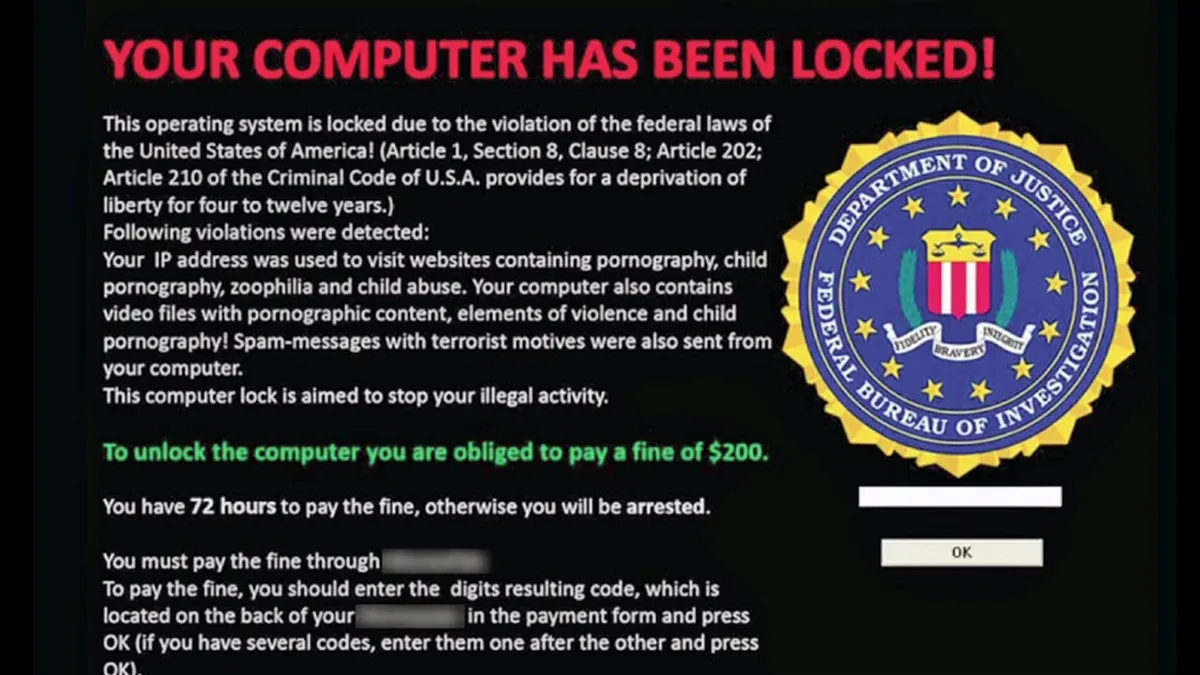
Image: Wikimedia Commons / screenshot of Motormille2
WASHINGTON, Nov. 15 — Ransomware claims jumped by as much as 40 percent since the spring as criminal groups turn to artificial intelligence to write phishing emails and run ransom talks, according to new tracking data from the anti-ransomware firm Halcyon and the security firms ReliaQuest and Recorded Future.
Researchers who track leak sites, where gangs post alleged victims, put summer claims at nearly 3,000. Halcyon counted 2,766 claimed attacks between July and September, up 39.1 percent from the previous quarter, across 111 groups in 122 countries. ReliaQuest tallied 2,928 claimed victims, up 30 percent, while Comparitech counted 2,627, up 29 percent.
Key Takeaways
- Claimed ransomware attacks rose 20 to 40 percent since the spring; trackers put summer claims near 3,000.
- Gangs use language models for phishing emails and ransom replies, but fully automated attacks have not yet appeared.
- New lone-wolf groups are forming fast — one claimed 71 victims in 20 days — helped by AI tools that lower the barrier to entry.
How Criminal Groups Use AI for Phishing and Ransom Negotiations
The role AI plays is narrow but real: language models draft tailored phishing emails, summarise a victim's public information and draft replies during ransom talks, while a human operator still runs the attack.
Allan Liska, a threat intelligence analyst at Recorded Future, said AI is relied on "more heavily in certain aspects of the ransomware attack chain, such as creating better phishing emails and in the negotiation process," while the "successful" groups remain "largely human operated" — though they are "experimenting heavily with AI."
Cynthia Kaiser, a former FBI cyber deputy director who now leads research at Halcyon, said most of the increase came from outside the United States, and "I do think it is in part fueled by AI."
How Many Ransomware Attacks Happened in Summer 2026
Exact counts are hard to pin down, but the three main trackers agree on the direction.
| Tracker | Claimed attacks, Jul–Sep 2026 | Change vs previous quarter |
|---|---|---|
| Halcyon | 2,766 | Up 39.1% |
| ReliaQuest | 2,928 victims | Up about 30% |
| Comparitech | 2,627 | Up 29% |
Recorded Future said attacks seen this year dwarf the 2025 total. But Liska noted encryption attacks may fall year over year, as crews shift toward pure data extortion. The rise echoes other AI security incidents, including the Fireworks AI breach that spread to Cursor and Uber.
Why New Ransomware Groups Are Appearing So Fast
Instead of working under established ransomware-as-a-service providers, more lone-wolf operators are branching out on their own, using AI to fill gaps in skill and manpower. One new group calling itself Global Secret Group claimed attacks on 48 victims, with more than half listed on the same day, according to ReliaQuest. Another, called Storm, listed 71 victims in just 20 days. ReliaQuest's Brandon Tirado said AI is giving attackers the means to start their own groups: his team found one run by an inexperienced teenager who has made more than $800,000 in under two weeks.
The most prominent and stable operations in recent months are the Gentlemen, Qilin and Akira groups, researchers said. But Kaiser cautioned that many upstarts may burn out, lacking an established group's resources. AI itself is now seen as a top risk to financial stability, according to the Federal Reserve's survey of market participants.
Frequently Asked Questions
How much have ransomware attacks increased in 2026?
Claimed attacks rose 20 to 40 percent since the spring. Halcyon counted 2,766 claims, up 39.1 percent; ReliaQuest tallied 2,928 victims, up about 30 percent; Comparitech counted 2,627, up 29 percent.
Are ransomware groups using AI to write phishing emails?
Yes. Groups use language models to draft tailored phishing emails, summarise a victim's public information and draft replies during ransom talks. Humans still run the successful groups, but AI handles the labour-heavy parts.
Which ransomware groups are most active in 2026?
The Gentlemen, Qilin and Akira groups are the most prominent and stable operations in recent months. Halcyon found around 111 groups made claims between July and September, including new groups Global Secret Group and Storm.
Can AI launch a ransomware attack on its own?
Not yet, researchers say. Fully AI-powered attacks have not emerged, and the successful groups are still largely human operated. Halcyon calls agentic AI use largely experimental, though a Unit 42 simulation saw an agent complete a ransomware lifecycle in 25 minutes.
Fourth-quarter tracking data will show whether the summer surge held into the autumn — and whether the new lone-wolf groups survived, or burned out as Halcyon's researchers expect.