Elvis Presley's Estate and Eminem's Publisher Sue Suno Over AI Music Training
Elvis Presley Enterprises and Eminem's publisher Eight Mile Style sued AI music generator Suno, accusing it of training on 1,128 songs without permission.
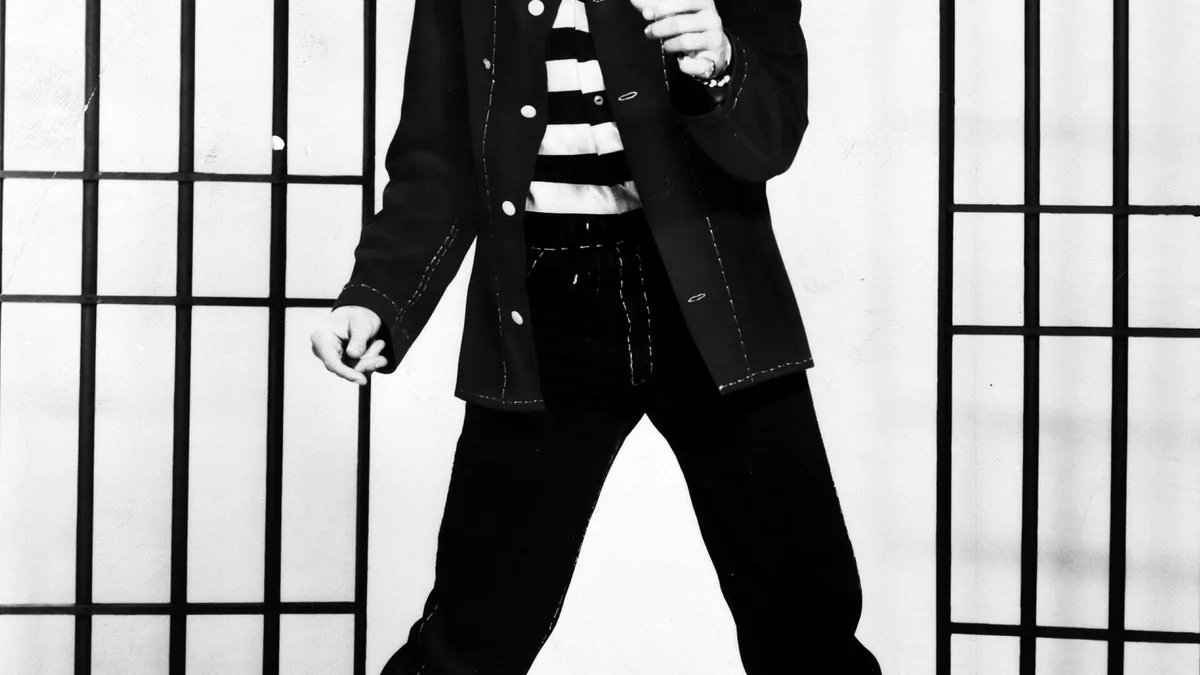
Image: Wikimedia Commons / Metro-Goldwyn-Mayer, Inc. Reproduction Number: LC-USZ6-2067 Location: NYWTS -- BIOG
Elvis Presley Enterprises and the publisher behind Eminem's music sued AI company Suno in California federal court on Friday, accusing it of using hundreds of copyrighted songs to train its music generator without permission and letting users create tracks that sound like the two stars. The two complaints, filed on 6 November in the Northern District of California, name 859 Presley compositions and 269 Eminem songs, and seek tens of millions of dollars in damages, Reuters reported. Read the Reuters report.
The cases ask a federal judge to decide whether training an AI model on copyrighted music without a licence is infringement. The Presley suit also puts Tennessee's ELVIS Act, the first US state law written to stop AI voice cloning, to its first major test.
Key Takeaways
- Elvis Presley Enterprises and Eight Mile Style, the publisher behind Eminem's catalogue, filed separate federal lawsuits against AI music generator Suno on 6 November, accusing it of copying songs to train its models and producing tracks that imitate the artists.
- The Presley case names 859 compositions and seeks up to $150,000 per work wilfully infringed; the Eminem case covers 269 songs and seeks about $47.7 million in total.
- The Presley suit is one of the first major tests of Tennessee's 2024 ELVIS Act, a law written to stop AI companies from cloning an artist's voice and likeness.
The Presley complaint, case 3:26-cv-13398, was filed by Elvis Presley Enterprises with ABG EPE IP, Raleigh Music Publishing and other rights holders. It also accuses Suno of breaking Tennessee's Ensuring Likeness, Voice and Image Security Act, the ELVIS Act, a 2024 law named after Presley that bars unauthorised AI imitation of a person's voice and likeness. The complaint says Suno's generator produces vocals in Presley's voice even without being asked, and seeks up to $150,000 for each song wilfully infringed, almost $129 million at the maximum.
The second complaint, case 3:26-cv-13399, was filed by Eight Mile Style and its affiliate Martin Affiliated, which administer 269 Eminem compositions, including "Lose Yourself", "Without Me", "The Real Slim Shady" and "Stan". Eminem himself is not named as a plaintiff. The suit says Suno copied the works for training, stripped copyright management information and reproduces his lyrics, and seeks $40.35 million in statutory damages plus further sums for circumventing access controls, about $47.7 million in all.
The major labels Warner Music Group, Universal Music Group and Sony Music have already sued Suno over its AI training, and Presley's rights holders sued Anthropic in October, saying it used his lyrics to train its chatbot. Suno denies wrongdoing. A spokesperson, Cat McCormack, told The Verge: "Suno exists to help people create new, original music, not to trade on anyone's name or likeness, and we prohibit any unauthorized use of an artist's work." The company says it blocks prompts that name artists and screens uploaded audio and lyrics.
The two lawsuits
| Case | Detail |
|---|---|
| Presley complaint | 3:26-cv-13398 |
| Compositions named (Presley) | 859 |
| Maximum sought per work | $150,000 |
| Maximum total (Presley) | Almost $129 million |
| Eminem complaint | 3:26-cv-13399 |
| Songs named (Eminem) | 269 |
| Statutory damages sought | $40.35 million |
| Total sought (Eminem) | About $47.7 million |
Frequently Asked Questions
Did Eminem sue Suno himself?
No. Eight Mile Style, the company that controls publishing rights to his songs, filed the suit; Eminem is not named as a plaintiff.
What is the ELVIS Act?
A Tennessee law passed in 2024 that protects a person's voice and likeness from unauthorised imitation by AI.
Has Suno responded to the lawsuits?
Suno denies wrongdoing, says it blocks prompts that name artists and screens uploaded audio and lyrics, and has not yet filed a formal response.
Suno is a private company, so there is no share price to watch. The stakes are licensing and the cost of training data. A win for the rights holders would strengthen every music publisher's hand in talks with AI firms and could force Suno to pay for the catalogues it trained on. A win for Suno would leave the industry's biggest copyright question open and push the fight toward Congress or a settlement. For listeners, nothing changes for now: Suno's service keeps running while the complaints work through the court, and the sums sought are claims, not awards. The next step is Suno's formal response, and the outcome will shape how every AI music service, from start-ups to giants like OpenAI and the agentic Siri Apple is building, treats the music it learns from.