Cornell Reopens F-1 Internships: Who Qualifies After Court Ruling
Cornell University reopened internship applications for international students on November 20 after a federal judge blocked DHS limits on F-1 work training.
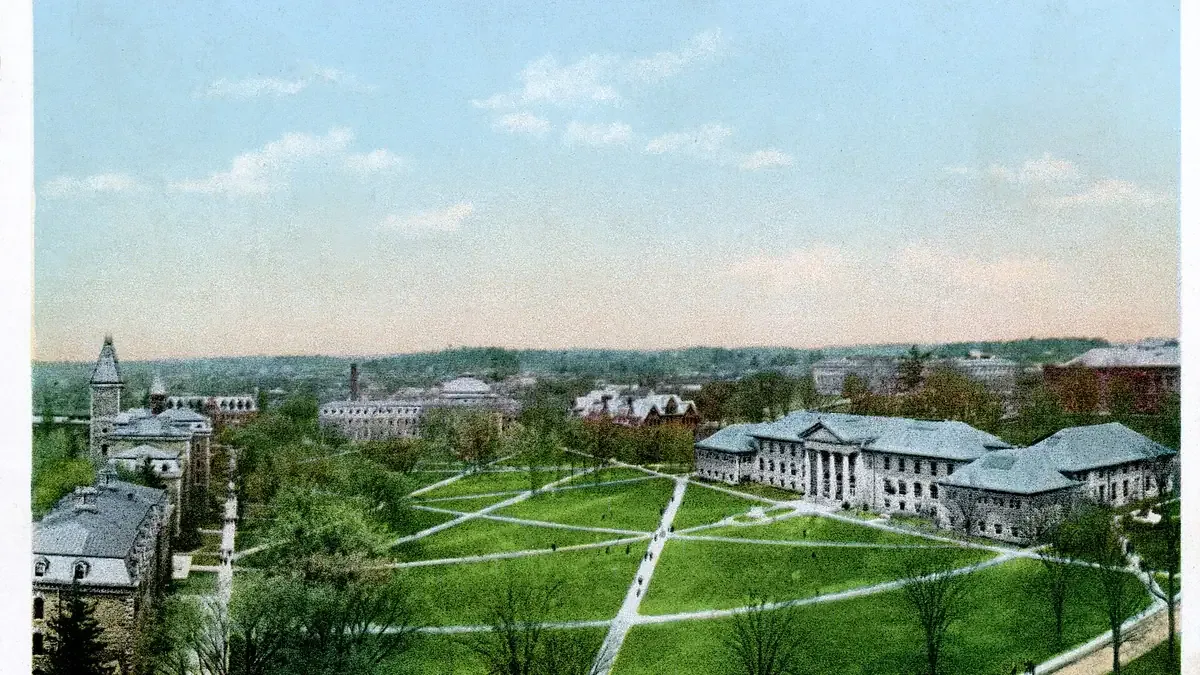
Image: Wikimedia Commons / Cornell Co-Operative Society
Ithaca, New York—Cornell University reopened applications for Curricular Practical Training for international students on Friday, November 20, 2026, three days after a federal judge temporarily blocked the Department of Homeland Security from enforcing new limits on the program. The reopening restores a route to paid internships that the department's August guidance had cut off for students on F-1 visas.
The order came from Judge Julia E. Kobick of the U.S. District Court for the District of Massachusetts. On November 17 she ruled that four higher-education associations were likely to succeed in challenging two Student and Exchange Visitor Program messages from August 12 and August 24, which had narrowed a 35-year reading of the rules.
Key Takeaways
- Cornell reopened CPT applications on November 20 for students eligible under the pre-August rules.
- Judge Julia E. Kobick blocked the August 12 and 24 SEVP messages nationwide on November 17.
- Engineering co-op students, students in credit-bearing courses, and PhD candidates can reapply.
- A second ruling on November 16 struck down the cap on international students' length of stay.
Who Qualifies for CPT at Cornell After the Court Order?
Cornell's International Services office said applications reopened on November 20 for students who qualified under the earlier interpretation. It named three groups: engineering co-op students, students seeking CPT through credit-bearing courses, and PhD candidates who need resources outside Cornell for their dissertation research.
The reopening does not automatically grant authorization. Each request is still reviewed, and students must apply at least three business weeks before training starts. In fall and spring, CPT work is limited to part-time, no more than 20 hours per week.
What the Ruling Means for F-1 Students at Other US Universities
The November 17 order blocks the two August messages across the country while the case continues. The suit was brought by four higher-education groups led by the Association of American Universities.
Universities had paused CPT authorizations after the August messages. Harvard stopped offering CPT at five of its schools, and Columbia told the court it had denied approval to more than 120 international students. Since the injunction, the University of California, Berkeley has resumed processing requests.
Judge Kobick found the messages marked a fundamental departure from the government's decades-long reading of the regulation, which had treated work as an integral part of an established curriculum since 1991. The ruling is preliminary and does not decide the case on its merits.
The CPT ruling came one day after a second decision in the same court. On November 16, Judge F. Dennis Saylor IV vacated the department's rule ending the duration of status, the framework in place since 1979 that lets international students stay for the length of their program.
What Happens Next: Appeals, Deadlines, and the December 1 Update
The two rulings preserve, for now, both the right of international students to train in the United States and the right to stay for the length of their studies. The government can appeal Judge Kobick's preliminary injunction, and the CPT case must still be decided on the merits. Georgetown has said it will update students by December 1, the next date to watch.
| Date | Development |
| Aug 12 and 24, 2026 | SEVP narrows CPT eligibility |
| Nov 16, 2026 | Judge Saylor vacates the duration-of-status rule |
| Nov 17, 2026 | Judge Kobick blocks the August CPT messages |
| Nov 20, 2026 | Cornell reopens CPT applications |
| Dec 1, 2026 | Georgetown to update students on its CPT policy |
Frequently Asked Questions
Can international students apply for internships in the US now?
Yes, if their university authorizes it. The November 17 order blocks the August restrictions nationwide, and Cornell reopened applications on November 20. Students should check with their Designated School Official before starting work.
What is CPT, and who is eligible for it?
Curricular Practical Training is temporary employment authorization that allows students on F-1 visas to work off campus in internships or practicums directly related to their major. The work must be an integral part of an established curriculum.
Does the court order restore CPT for all F-1 students?
The order stops the Department of Homeland Security from enforcing the two August messages, but it does not grant work authorization by itself. Each university still decides individual applications, and a previous denial is not automatically restored.
What happens if the government appeals the CPT ruling?
The government can appeal to a higher court, and the case still has to be decided on the merits. The injunction stays in force unless a higher court lifts it.