Durbin Revives Student Loan Bill of Rights: What 43M Borrowers Get
Dick Durbin reintroduced the Student Loan Borrower Bill of Rights on November 18, with new rules for 43 million Americans holding $1.6 trillion in debt.

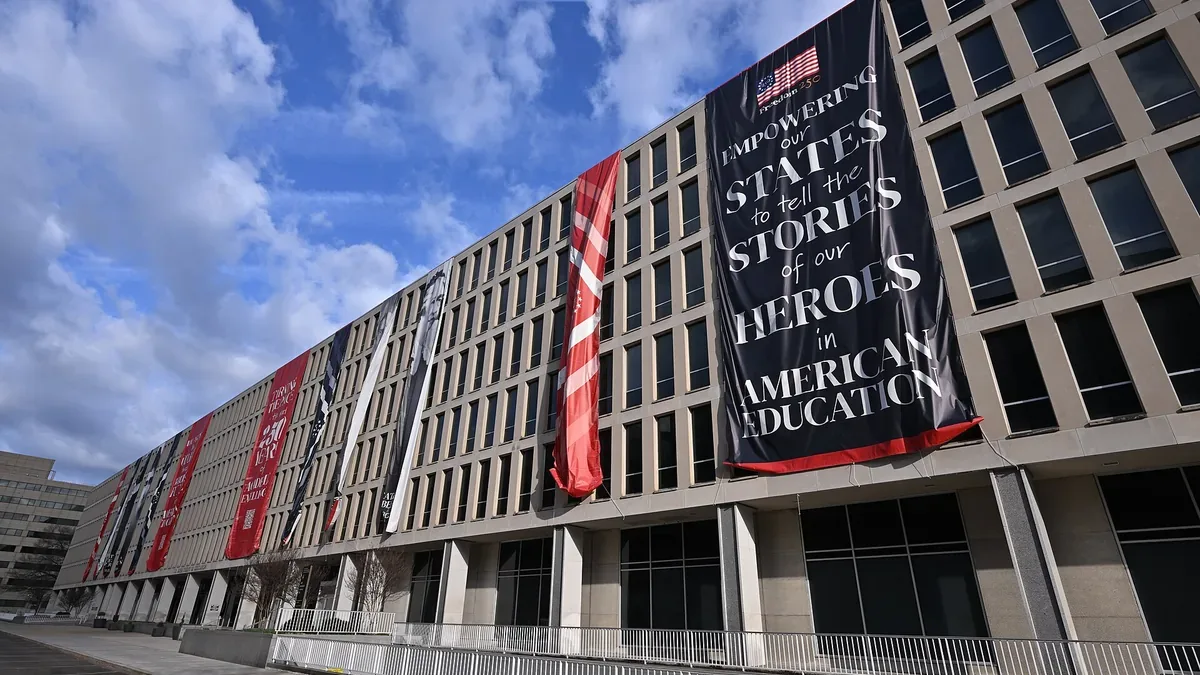
Image: Wikimedia Commons / Christian Ursilva
Washington, November 18, 2026 — U.S. Senator Dick Durbin of Illinois led 11 Senate colleagues in reintroducing the Student Loan Borrower Bill of Rights, a measure that would set the first consistent servicing and disclosure standards for federal and private student loans. Nearly 43 million Americans carry $1.6 trillion in student loan debt, the second-largest source of consumer debt after mortgages, according to the senator's office.
The bill would let the Secretary of Education set servicing standards for federal loans through regulation, and extend new protections to private loans. Durbin first introduced it in 2015 and tried again in 2019 and 2023. This attempt comes weeks before his term ends on January 3, 2027.
Key Takeaways
- Durbin reintroduced the Student Loan Borrower Bill of Rights on November 18, 2026, with 11 Democratic cosponsors.
- The bill sets servicing and disclosure standards for federal and private loans, covering payment allocation, error resolution and a ban on forced arbitration.
- Borrowers filed nearly 20,000 complaints about student loan servicers in the year to August 2026.
- The bill must pass by January 3, 2027, or be reintroduced in the new Congress.
What the Student Loan Borrower Bill of Rights Would Change for Borrowers
The bill's core idea: the same rules should apply no matter who services a loan. Servicers would have to apply payments across a borrower's multiple loans in the way most beneficial to the borrower. An independent analysis put the saving at about $810 for a borrower with two $15,000 loans. Servicers would also have to fix errors promptly.
The bill would create trained Repayment Specialist units to keep at-risk borrowers out of default, and remove a default record from a borrower's credit history once the loan is fixed. Private loans would gain discharge on the death or disability of the borrower, a protection federal loans already carry. “No American should have to spend decades paying off student loan debt,” Durbin said.
| Provision | What it would do |
|---|---|
| Payment allocation | Applies payments in the way most beneficial to the borrower |
| Error resolution | Requires timely resolution of servicer mistakes |
| Default records | Removes a default from credit history once fixed |
| Death and disability | Discharges private loans on death or disability |
Why the Bill Arrived Now: Servicer Complaints Hit Record Levels
The One Big Beautiful Bill Act is phasing out the SAVE, PAYE and ICR repayment plans, while the return to repayment left many borrowers with incorrect bills. The same law capped federal master's borrowing at $20,500 a year, pushing graduate students toward private loans.
Borrowers filed 19,895 complaints about student loan servicers with the Consumer Financial Protection Bureau in the 12 months ending August 2026, and only 1.8 percent ended with the borrower receiving any relief. One servicer, MOHELA, drew 7,050. The bureau's ombudsman logged a record of about 22,900 complaints in the year to June 2025. The Treasury Department has also taken over collection of defaulted federal student loans. Treasury hires debt collectors for student loans
Will the Student Loan Borrower Bill of Rights Pass Before January?
All 12 sponsors are Democrats, and Republicans hold a 53-47 majority in the Senate. Durbin is not seeking reelection, and cosponsors Tina Smith and Jeanne Shaheen are retiring too, so it would need a new lead sponsor if it does not pass by January 3, 2027. Democrats won control of the Senate in the November 3 midterms. Its full text was not public at publication, and no hearing date has been announced. International students leave the US, UK for Asia Senator Durbin's office: Student Loan Borrower Bill of Rights
Frequently Asked Questions
What is the Student Loan Borrower Bill of Rights?
It is a proposed federal law setting minimum servicing and disclosure standards for federal and private student loans, reintroduced by Senator Durbin on November 18, 2026.
How would the bill help borrowers with servicing errors?
It would require servicers to fix errors promptly, apply payments in the way most beneficial to the borrower, and create trained units to keep at-risk borrowers out of default.
Does the Student Loan Borrower Bill of Rights cancel student loan debt?
No. The bill does not cancel student loan debt. It sets rules for how loans are serviced, and would remove a default record only after the borrower fixes the defaulted loan.
When would the Student Loan Borrower Bill of Rights take effect?
It takes effect only if a version becomes law. Nothing changes for borrowers until then. If it does not pass by January 3, 2027, it must be reintroduced.