US Consumer Confidence Surges to 103.3 in November, Beating Forecasts
US consumer confidence jumped to 103.3 in November, far above the 92.1 economists expected, as views of jobs and business conditions improved sharply.

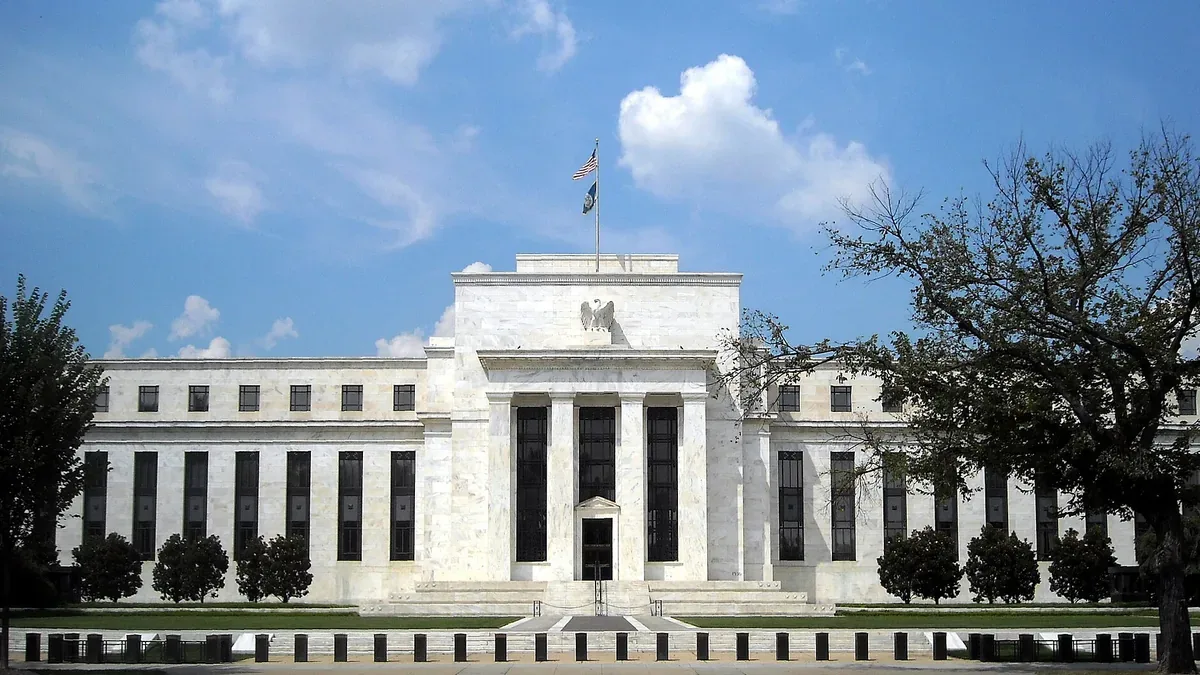
Image: Wikimedia Commons / Harrison Keely
NEW YORK — US consumer confidence surged in November, with The Conference Board's Consumer Confidence Index rising to 103.3, up from a revised 91.9 in October and far above the 92.1 reading economists had expected, the research group said on Tuesday, November 24.
The 11.2-point gap between the result and the consensus forecast caught markets by surprise two days before Thanksgiving. It was the highest reading since January 2025, and the second consecutive monthly gain after October's rise to 91.7 from a revised 84.2 in September. US home prices grew at their slowest pace in September, the latest Case-Shiller data showed.
Key Takeaways
- The Conference Board's Consumer Confidence Index rose to 103.3 in November, beating the 92.1 consensus forecast by 11.2 points.
- The Present Situation Index rose 13.7 points to 132.8, and the Expectations Index improved 9.9 points to 83.6. November is the highest print since January 2025.
- The University of Michigan's consumer sentiment gauge also rose in November, to 51.5 from 48.0 in October.
- The Federal Reserve's next rate decision is on December 9, with October inflation data due on Wednesday, November 25.
| Month | Index (1985 = 100) | Change from prior month |
|---|---|---|
| September 2026 | 84.2 | — |
| October 2026 (first reported) | 91.7 | +7.5 |
| October 2026 (revised) | 91.9 | — |
| November 2026 | 103.3 | +11.4 |
What Does a 103.3 Consumer Confidence Index Mean for the US Economy?
The index is a monthly survey of American households, conducted for The Conference Board by Toluna and set so that 1985 equals 100. It asks households how they view business conditions, jobs and income prospects; household spending drives a large share of US economic activity. A reading in the low 90s, where the index sat in October, signaled caution; a move above 100 suggests households have turned markedly more upbeat after three straight monthly declines through September.
How the November Confidence Surge Affects Fed Rate Cut Expectations
Stronger confidence can cut both ways for interest rates: upbeat households keep spending, which supports growth, yet resilient demand can keep the Federal Reserve cautious about easing policy. The Fed's next decision is on December 9, and traders will read Wednesday's October inflation figures alongside this print before judging the path of rates. How the Federal Reserve sets interest rates, and what moves its decisions. Both halves of the survey strengthened in November. The Present Situation Index rose 13.7 points to 132.8, and the Expectations Index improved 9.9 points to 83.6, back above the 80 level economists link with recession risk. Fergus McCormick, senior economist for global indicators at The Conference Board, said confidence rallied 'potentially due to lower uncertainty following the midterm elections,' with the gain led by stronger views of present and future labor market conditions.
What Rising Consumer Confidence Means for Black Friday and Holiday Spending
The reading landed two days before Thanksgiving, with Black Friday due on November 27, on a morning when Best Buy, Dollar Tree, Kohl's, Abercrombie & Fitch and Burlington all reported quarterly results, with their shares rising in early trading. A better mood does not always mean more spending: in October, households felt better yet planned to spend less on services, durable goods and electronics over the next six months. In November, by contrast, they planned slightly higher spending on goods and vacations — a signal to watch rather than proof of a spending boom.
Frequently Asked Questions
What is the US Consumer Confidence Index for November 2026?
It is 103.3, released by The Conference Board on Tuesday, November 24. The reading beat the consensus forecast of about 92.1 and rose from a revised 91.9 in October.
Is 103.3 a good consumer confidence reading?
Yes, by recent standards. It is the highest since January 2025, and well above the 84.2 in September.
How does consumer confidence affect interest rates?
Strong confidence points to resilient household spending, which can keep the Federal Reserve cautious about cutting rates. The Fed's next decision is on December 9.
What is the difference between consumer confidence and consumer sentiment?
Consumer confidence is The Conference Board's monthly survey of US households, while consumer sentiment is the University of Michigan's separate monthly survey. Both rose in November: the Michigan gauge reached 51.5, up from 48.0 in October.
October inflation figures, the second estimate of third-quarter GDP and durable goods orders are due on Wednesday, November 25, at 8:30 a.m. ET. The Fed decides on rates on December 9, and the next confidence reading is due on December 22.