US Jobless Claims Hit 203,000: What the Weak Data Means for Fed Rates
US jobless claims rose to 203,000 and the Philly Fed index fell to 6.3, a six-month low, as factory activity cooled and hiring slowed across the US.
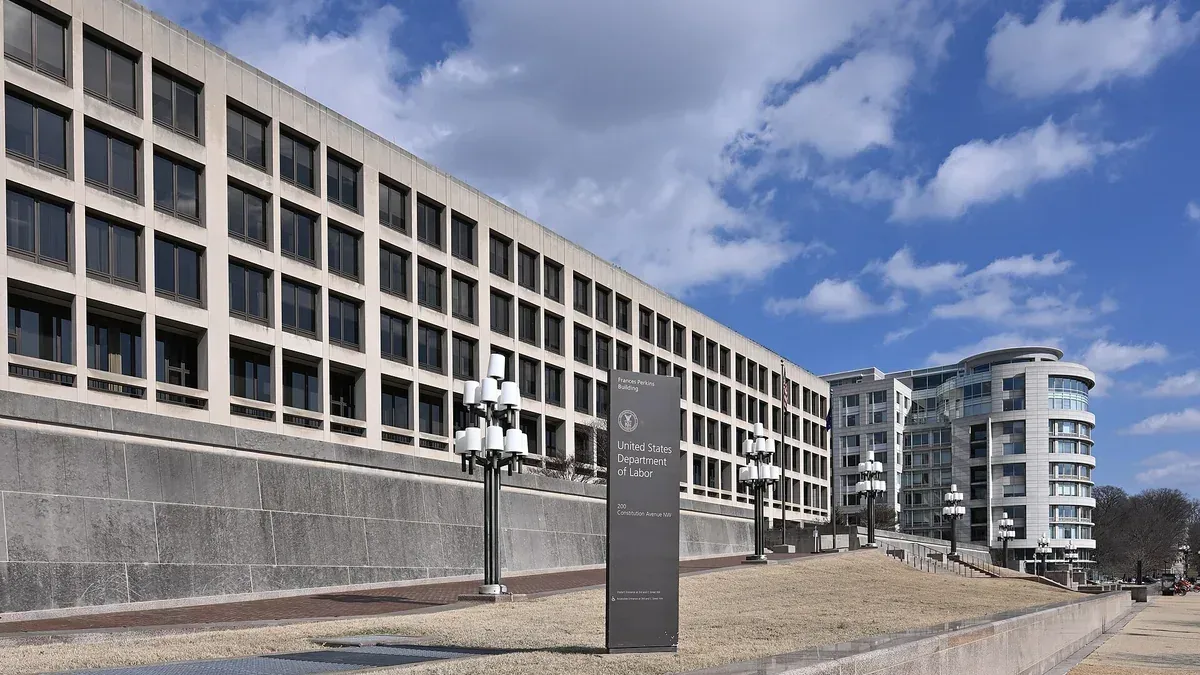
Image: Wikimedia Commons / G. Edward Johnson
WASHINGTON — New claims for US unemployment benefits rose to 203,000 last week, while factory activity in the Philadelphia region cooled sharply, the US Department of Labor and the Federal Reserve Bank of Philadelphia reported on Thursday, November 19.
Both releases, published at 8:30 a.m. Eastern time, landed weaker than economists had expected. Claims came in above the 198,000 forecast, and the Philadelphia Fed's general activity index fell to 6.3 from 20.9 in October, its lowest reading since May. The figures arrive three weeks before the Federal Reserve's December 9 meeting.
Key Takeaways
- Initial jobless claims rose to 203,000 in the week ending November 14, up 1,000 from a revised 202,000.
- Continuing claims jumped 70,000 to 1.763 million, pointing to slower hiring.
- The Philadelphia Fed's manufacturing index dropped to 6.3, a six-month low, as new orders turned negative.
- Prices paid by manufacturers jumped to 58.2 from 43.2, while prices received rose to 47.0.
Why US Jobless Claims Rose to 203,000 in November
Initial claims for state unemployment benefits rose 1,000 to 203,000 in the week ending November 14, the US Department of Labor said. The prior week's figure was revised up to 202,000 from 200,000, after nine straight weeks at or below that level.
The four-week moving average rose 2,000 to 197,750 from a revised 195,750. Continuing claims rose 70,000 to 1.763 million in the week ending November 7, from a revised 1.693 million. The advance insured unemployment rate held at 1.1 percent.
Continuing claims are the standard proxy for hiring: a rise means people who lost jobs are taking longer to find new ones. Consumer spending has held up so far, with US retail sales rising 0.2 percent in October.
Philly Fed Index Falls to 6.3: What the Manufacturing Survey Shows
The Philadelphia Fed's Manufacturing Business Outlook Survey showed regional factory activity slowing sharply. The diffusion index for current general activity fell to 6.3 from 20.9 in October, the lowest reading since May. A reading above zero still signals expansion. More than 36 percent of firms reported increases in activity, while 30 percent reported decreases. The future general activity index held at 33.6.
New orders turned negative at -0.4 from 4.3, while shipments rose to 25.7 from 15.3 as factories worked through existing orders. Employment kept growing, rising to 11.6 from 9.1. The prices-paid index jumped to 58.2 from 43.2, and prices received rose to 47.0 from 40.1.
The New York Fed's Empire State manufacturing index also fell, to 7.8 in November from 25.5 in October.
What the Weak Data Means for Fed Rates and the December Meeting
The minutes of the Federal Reserve's October 27-28 meeting showed the decision to hold rates at 3.75 to 4.00 percent passed by 10 votes to 2, with almost all officials favouring further rate rises. Governor Christopher Waller said the Fed should consider a half-point rise in December.
Heading into Thursday's releases, traders had put the chance of a December rate rise at close to 100 percent. The weaker claims and factory numbers test that pricing, while the jump in prices paid gives the case for a larger move its own support.
The Conference Board's Leading Economic Index for October is due at 10:00 a.m. Eastern time on Thursday.
| Indicator | Latest release | Forecast | Previous |
|---|---|---|---|
| Initial jobless claims | 203,000 | 198,000 | 202,000 (revised) |
| Continuing claims | 1,763,000 | — | 1,693,000 (revised) |
| Philly Fed general activity index | 6.3 | 20.6 | 20.9 |
| Philly Fed new orders index | -0.4 | — | 4.3 |
| Philly Fed prices paid index | 58.2 | — | 43.2 |
Frequently Asked Questions
How many Americans filed for unemployment benefits last week?
Initial claims rose to 203,000 in the week ending November 14, the US Department of Labor said, up 1,000 from a revised 202,000 and above the 198,000 forecast.
What is the Philly Fed index and why did it fall to 6.3?
The Philly Fed index is the Federal Reserve Bank of Philadelphia's monthly survey of manufacturers in its district. It fell to 6.3 in November from 20.9 in October, its lowest since May, as new orders turned negative.
Will the Federal Reserve raise interest rates in December 2026?
The Federal Reserve meets on December 9, and its October minutes showed almost all officials favoured further rate rises. Traders had priced a December rise at close to 100 percent before Thursday's data.
What are continuing jobless claims and why did they jump?
Continuing claims count people still receiving benefits after their first week of aid, the standard proxy for hiring. They rose 70,000 to 1.763 million in the week ending November 7.