US Retail Sales Rose 0.2% in October: What It Means for Fed Rates
US retail sales rose 0.2% in October to $748.2 billion, the Census Bureau said, as spending cooled from September's 0.8% jump before the Fed acts in December.
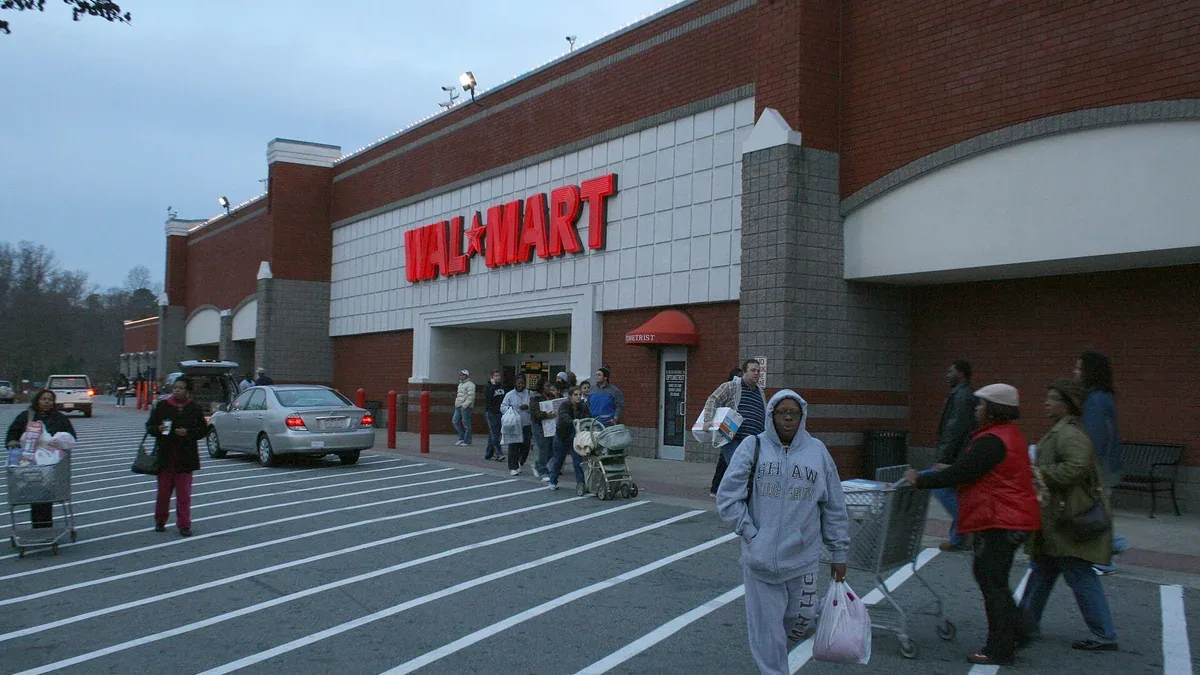
Image: Wikimedia Commons / Ildar Sagdejev (Specious), CC BY-SA 4.0
WASHINGTON, November 17, 2026 — American consumers kept spending in October, but only just. Retail and food services sales rose 0.2% from September to $748.2 billion, the U.S. Census Bureau reported on Tuesday, slowing sharply from September's 0.8% increase as higher prices and elevated borrowing costs weighed on household budgets ahead of the holiday shopping season.
The result matched the consensus forecast. Sales were 6.8% higher than in October 2025, and spending over the August-to-October period was up 6.4% on a year earlier, according to the Census Bureau. September's total was revised to $746.6 billion.
Key Takeaways
- Retail sales rose 0.2% in October to $748.2 billion, matching forecasts and slowing from September's 0.8% gain.
- The 0.2% rise is not statistically significant: the Census Bureau said its 90% confidence interval includes zero.
- Sales excluding cars rose 0.6%, and the control group that feeds into GDP rose about 0.6%, beating forecasts of 0.4%.
- The figures are not adjusted for price changes, and consumer prices rose 0.4% in October, so the volume of goods bought likely fell slightly.
US Retail Sales by Category: What Americans Bought in October
Car dealers held the headline back, with sales down 1.6% to $137.0 billion. Strip out autos and the picture looks firmer: sales excluding motor vehicles rose 0.6% to $611.2 billion, and sales excluding autos and gasoline rose 0.5%. Gasoline stations rose 1.5%, online retailers gained 1.2%, and miscellaneous stores jumped 4.7%.
| Category | October sales | Change vs September |
|---|---|---|
| Total retail and food services | $748.2 billion | +0.2% |
| Excluding motor vehicles | $611.2 billion | +0.6% |
| Motor vehicle and parts dealers | $137.0 billion | -1.6% |
| Gasoline stations | $68.6 billion | +1.5% |
| Nonstore retailers | $128.2 billion | +1.2% |
| Food services and drinking places | $92.9 billion | +0.2% |
Not every category shared in the gain. Furniture stores fell 2.2%, clothing stores dropped 0.7%, and grocery stores slipped 0.2%, while restaurants rose 0.2% and electronics stores were flat. The mix fits a consumer still spending but choosing carefully, with Halloween and early holiday promotions pulling some purchases forward.
How October Retail Sales Affect the Fed's December Rate Decision
The report lands in a debate at the Federal Reserve over whether to raise interest rates in December. Consumer prices rose 0.4% in October, the Bureau of Labor Statistics reported, with core prices up 0.3%. Federal Reserve Governor Christopher Waller said in London that he would back a quarter-point rise at the December 8-9 meeting, and that a half-point move should be considered if core inflation came in at 0.3% or more. That condition has now been met. Even so, futures-market pricing tracked by CME FedWatch puts only a 2.6% chance on a half-point rise, with a quarter-point increase seen as near-certain from the current range. Waller has backed a December rise. Minutes of the Fed's October meeting are due on Wednesday. The data keeps a December hike on track without strengthening the case for a larger one.
What October Retail Sales Mean for Holiday Shopping
The October numbers set a cautious tone for the holiday season. A card-data measure from the National Retail Federation, which excludes car dealers and gasoline stations, also showed sales up 0.2% to $561.7 billion, its 13th straight monthly gain but the slowest since November 2025. The federation forecasts November and December sales will rise 4.2% on last year to $1.013 trillion, with households timing purchases around promotions.
Frequently Asked Questions
How much did US retail sales rise in October 2026?
Retail and food services sales rose 0.2% in October to $748.2 billion, the U.S. Census Bureau reported on November 17, 2026. Sales were 6.8% higher than a year earlier.
Are US retail sales figures adjusted for inflation?
No. The Census Bureau adjusts for seasonal variation and trading-day differences, but not for price changes. Consumer prices rose 0.4% in October, so the volume of goods bought likely fell slightly.
What will the Federal Reserve do in December after the retail sales report?
Futures markets price a December rate rise as near-certain, most likely by a quarter point. The Federal Reserve announces its decision on December 9, after its December 8-9 meeting.
When is the next US retail sales report?
The Census Bureau releases November retail sales on December 16, 2026, at 8:30 a.m. Eastern time.
November retail sales are due on December 16. The full report is on the Census Bureau's retail sales page.