What Are Treasury Bonds and How Do They Work for Investors?
Treasury bonds are 20- and 30-year loans to the US government that pay fixed interest every six months. Here is how they work, what they pay and the risks.

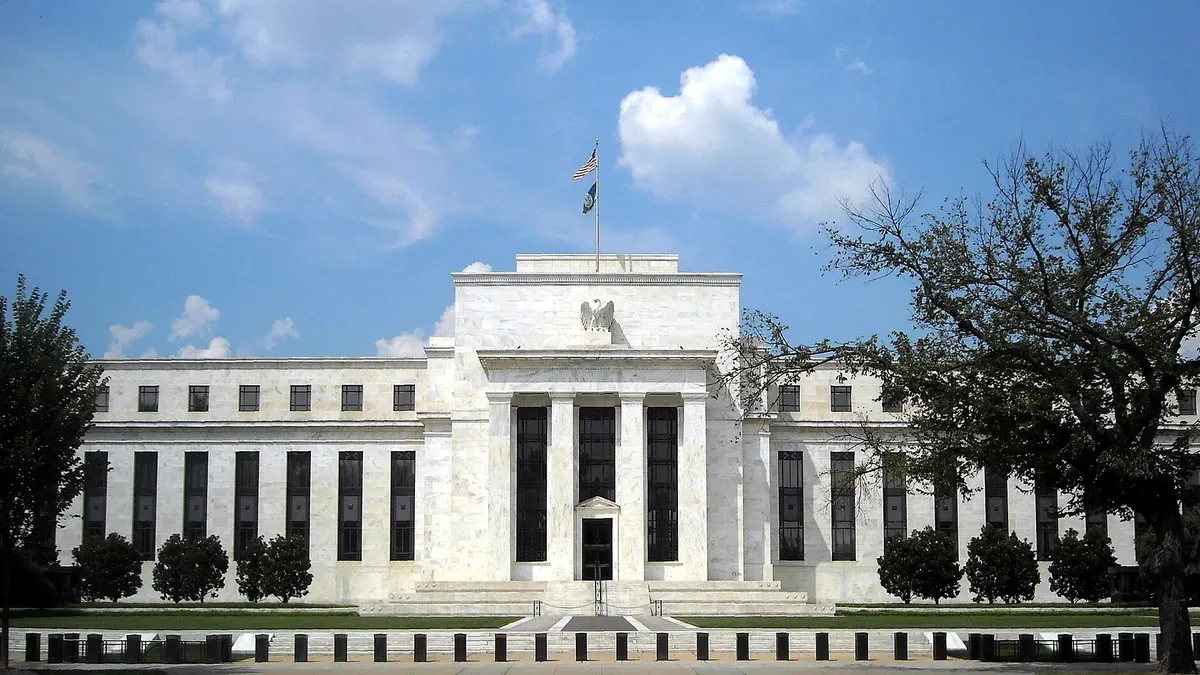
Image: Wikimedia Commons / Library of Congress
What are Treasury bonds, and how do they work? A Treasury bond is a loan you make to the United States government for 20 or 30 years. In return, the government pays you a fixed rate of interest every six months and returns the full face value when the bond matures. Backed by the full faith and credit of the United States, they are treated as one of the safest investments in the world.
When the government spends more than it collects in taxes, it borrows the difference by selling Treasury securities. Bonds are the longest-dated kind, sold at auction: four original issues a year plus reopenings. Buyers bid on the yield they will accept, and the auction sets the rate. Once issued, it never changes, and the minimum purchase is $100.
Key Takeaways
- Treasury bonds are 20- or 30-year loans to the US government at a fixed interest rate.
- They pay interest every six months and return the face value at maturity.
- Interest is taxed federally but exempt from state and local taxes.
- Prices fall when market rates rise.
How Treasury Bond Interest Payments Work
The interest on a Treasury bond is called its coupon, fixed at the auction where the bond is first sold. The rate is never less than 0.125%, and it is paid on face value. A $10,000 bond with a 4% coupon pays $200 every six months. Over 30 years, that is $12,000 in interest plus the $10,000 back at maturity.
What you earn can differ from the coupon if you buy later. Bonds trade on the secondary market, and their price moves with market rates: a yield above the coupon means a price below face value, and a yield below it means a price above it.
Treasury Bonds vs Treasury Notes and Treasury Bills
Treasury bonds are one of three marketable Treasury securities: bills are short-term, notes medium-term, and bonds long-term.
| Security | Maturity | Interest | How interest is paid |
|---|---|---|---|
| Treasury bills | 4 to 52 weeks | No coupon | Sold below face value |
| Treasury notes | 2, 3, 5, 7 or 10 years | Fixed coupon | Every six months |
| Treasury bonds | 20 or 30 years | Fixed coupon | Every six months |
Treasury bonds are not the same as US savings bonds. Series EE and Series I bonds cannot be traded and follow different rules. The Federal Reserve's rate decisions shape yields on all three types.
Are Treasury Bonds Safe? Risks and Taxes Explained
The main attraction is the near absence of credit risk. The Federal Reserve Bank of New York describes Treasury securities as direct obligations of the US government, backed by its full faith and credit and therefore considered free of credit risk.
That does not make them risk-free. When market rates rise, existing bonds with lower coupons lose value, so selling early can mean a large loss. Inflation is a second risk: fixed payments buy less over 20 or 30 years if prices rise faster than expected, the force measured by the Consumer Price Index.
On tax, interest is taxed federally in the year earned but exempt from state and local taxes. The steady income can sit alongside a 401(k).
Frequently Asked Questions
How much interest do Treasury bonds pay?
The rate is set at auction when the bond is issued and stays fixed for its life, never below 0.125%. A $10,000 bond with a 4% coupon pays $200 every six months. Full terms are on the TreasuryDirect page on Treasury bonds.
Can you lose money on a Treasury bond?
Yes, if you sell before maturity. When market rates rise, bond prices fall, so selling early can mean getting back less than you paid. Held to maturity, the government repays the full face value.
How do I buy Treasury bonds?
Directly from the Treasury at TreasuryDirect.gov, in increments of $100, or through a bank or broker. New bonds are sold at scheduled auctions listed on the Treasury's auction calendar.
What is the difference between a Treasury bond and a savings bond?
A Treasury bond is marketable: it can be bought and sold before it matures. A savings bond, such as a Series EE or Series I bond, cannot be sold to another investor.
For a long-term portfolio, the question is not whether Treasury bonds are safe — they are — but whether a fixed payment for 20 or 30 years fits the plan. Check the auction calendar, compare the coupon with inflation, and weigh the certainty of the income against the risk of rising rates.