Fed Beige Book: 8 of 12 Districts Grow Ahead of December Rate Call
Eight of the Fed's 12 districts grew in the latest Beige Book as prices kept rising moderately—the final read before the December 8-9 rate decision.
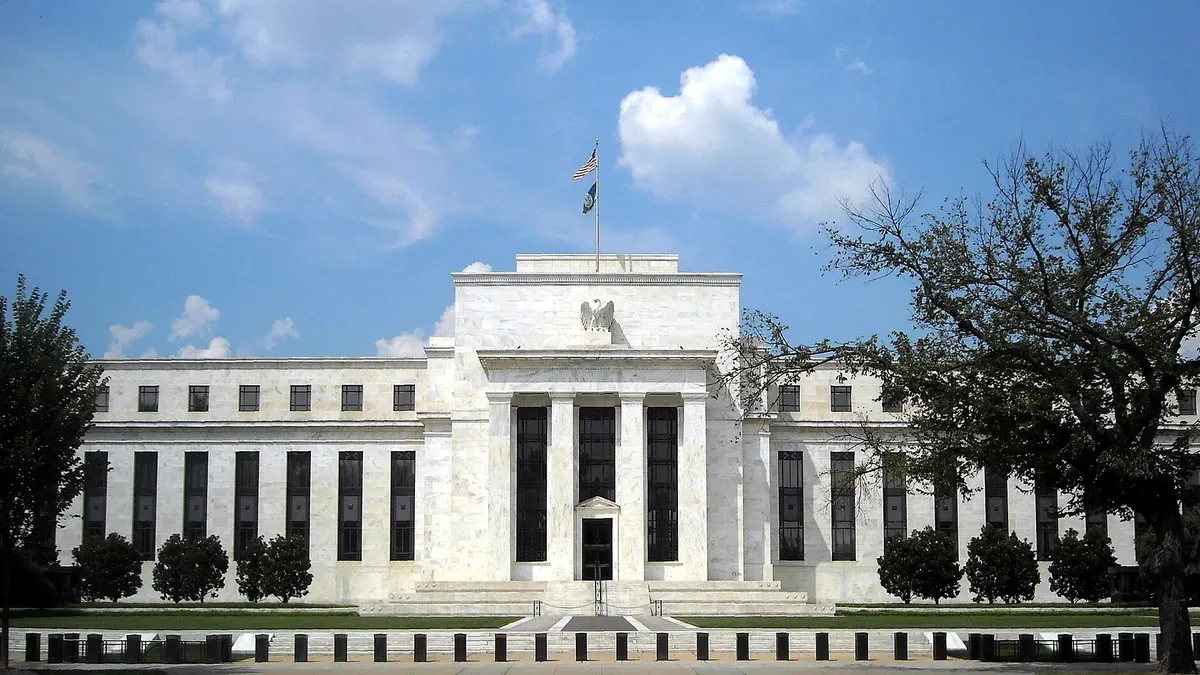
Image: Wikimedia Commons / AgnosticPreachersKid
WASHINGTON, Nov. 25, 2026 — The Federal Reserve's latest Beige Book, released on Wednesday, found economic activity growing in eight of the country's 12 Federal Reserve districts, while prices kept rising moderately and consumers stayed cautious, ahead of the December 8-9 policy meeting. Four districts reported no change and none declined, according to the report, based on information collected on or before November 16.
Consumer spending was little changed, as households stayed price sensitive, the Federal Reserve said. Auto sales softened on elevated fuel prices and higher interest rates, while housing weakened on affordability. Manufacturing grew modestly, and most districts expected slight to moderate growth ahead.
Key Takeaways
- Eight of the 12 districts reported slight-to-moderate growth, and four reported no change—down from nine growing in October.
- Prices rose moderately, with input costs from energy, transport, healthcare, insurance, and tariffs rising faster than selling prices.
- Employment rose slightly, with most firms hiring only to replace leavers, while wages rose moderately, up from October.
- The report lands two weeks before the Federal Open Market Committee meets on December 8-9; the federal funds rate is 3.75% to 4.00%.
What the November Beige Book Found in Each of the 12 Fed Districts
Growth was uneven. Cleveland and Richmond led, with activity increasing moderately, while Boston, Chicago, Kansas City, and San Francisco reported little or no change. Dallas saw expansion slow to a modest pace. Manufacturing led the growth, as robust industrial demand offset weakness in consumer-facing and housing-related goods.
| Measure | October 14 Beige Book | November 25 Beige Book |
|---|---|---|
| Districts reporting growth | 9 of 12 | 8 of 12 |
| Overall price growth | Moderate to robust | Moderate |
| Consumer spending | Little or no change | Little changed |
| Employment | Little or no net change | Rose slightly |
| Wages | Modest increases | Moderate increases |
Transportation grew modestly despite uneven demand and rising costs, the Federal Reserve said, while data center-related imports rose even as port volumes dipped on weather disruptions. Energy activity grew modestly, but investment stayed restrained by geopolitical, policy, and cost uncertainties.
What the Beige Book Means for the December Fed Rate Decision
The Beige Book is the last regional check before the Federal Open Market Committee meets December 8-9. The Federal Reserve held its benchmark rate at 3.75% to 4.00% on October 28, and minutes of that meeting, released on November 18, showed almost all participants considered further tightening potentially appropriate, as covered in the Federal Reserve's October meeting minutes. Traders have priced in a further increase as the likely outcome, according to market pricing. For how rate decisions work, see the explainer on how the Federal Reserve sets interest rates.
Why Prices Keep Rising While Consumers Pull Back
The report's central tension is that firms are paying more even as customers spend less. Contacts reported sustained cost pressure from energy, transportation, healthcare, insurance, and tariffs, the Federal Reserve said. Input costs generally outpaced selling prices, as competition and price-sensitive customers limited how much firms could pass on, and contacts expected both expenses and prices to keep rising. Employment rose slightly, with most firms hiring mainly to replace workers who left, while high housing and essentials costs strained budgets.
Frequently Asked Questions
What is the Federal Reserve Beige Book?
The Beige Book summarizes anecdotal reports on economic conditions in the 12 Federal Reserve districts and is published eight times a year. Each regional Federal Reserve Bank gathers information from business contacts and economists, and one bank prepares the national summary on a rotating basis.
How many Fed districts reported growth in the November 2026 Beige Book?
Eight of the 12 districts reported growth in the slight to moderate range, while four reported no change and none declined—down from nine growing in the October 14 edition.
Will the Fed raise interest rates in December 2026?
The Beige Book does not decide policy, but it feeds into the Federal Open Market Committee meeting on December 8-9. October meeting minutes showed almost all participants considered further tightening potentially appropriate, and traders price a December increase as the likely outcome.
Why are prices still rising when consumer spending is flat?
Businesses face rising input costs from energy, transportation, healthcare, insurance, and tariffs, growing faster than the prices firms charge. Consumers are price sensitive and selective, so spending stays flat as prices rise.
The Federal Open Market Committee meets December 8-9 and will release fresh economic projections. The November employment report arrives December 4, and the November consumer price index follows on December 10.