Wall Street Brokerages Call AI Sell-Off Overdone, Urge Investors to Buy
Morgan Stanley, UBS, HSBC and Jefferies say last week's AI rout went too far, with Nvidia's November 17 earnings now the next big test for the trade.
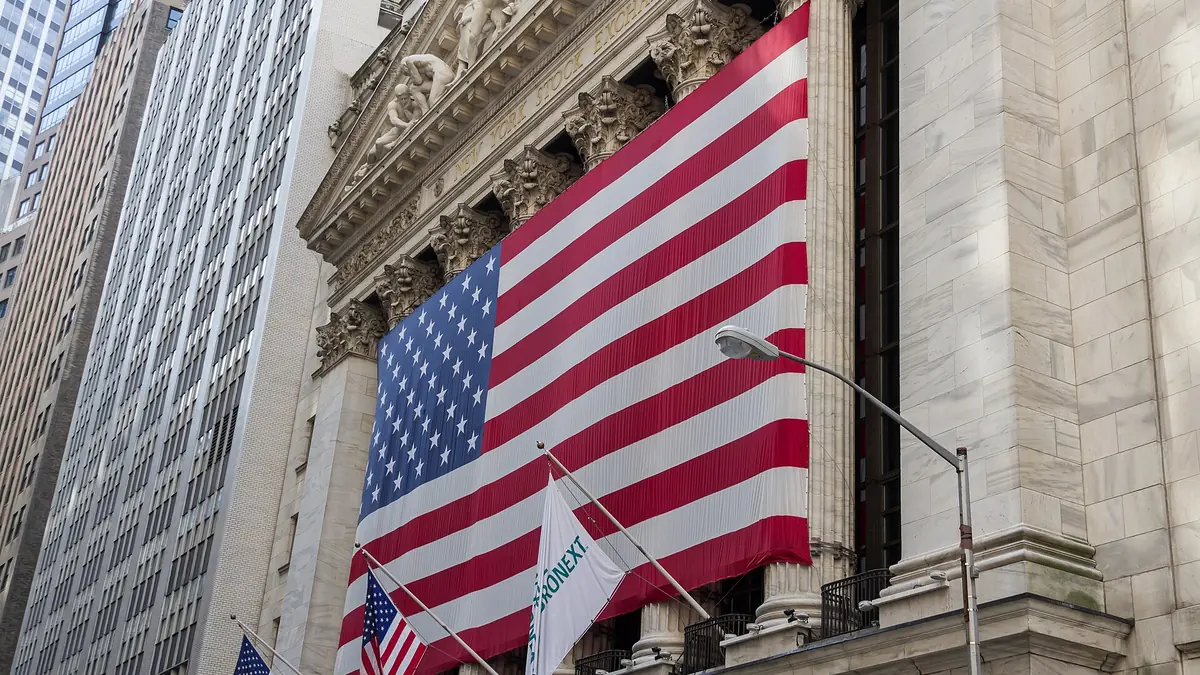
Image: Wikimedia Commons / Dietmar Rabich
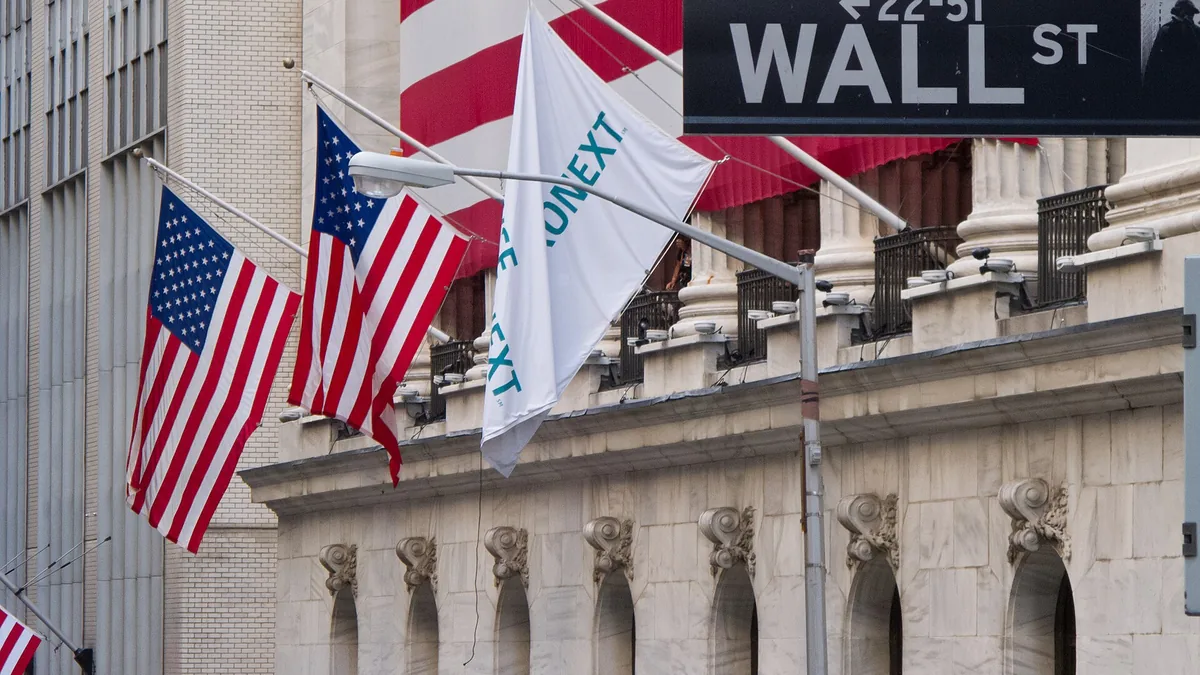
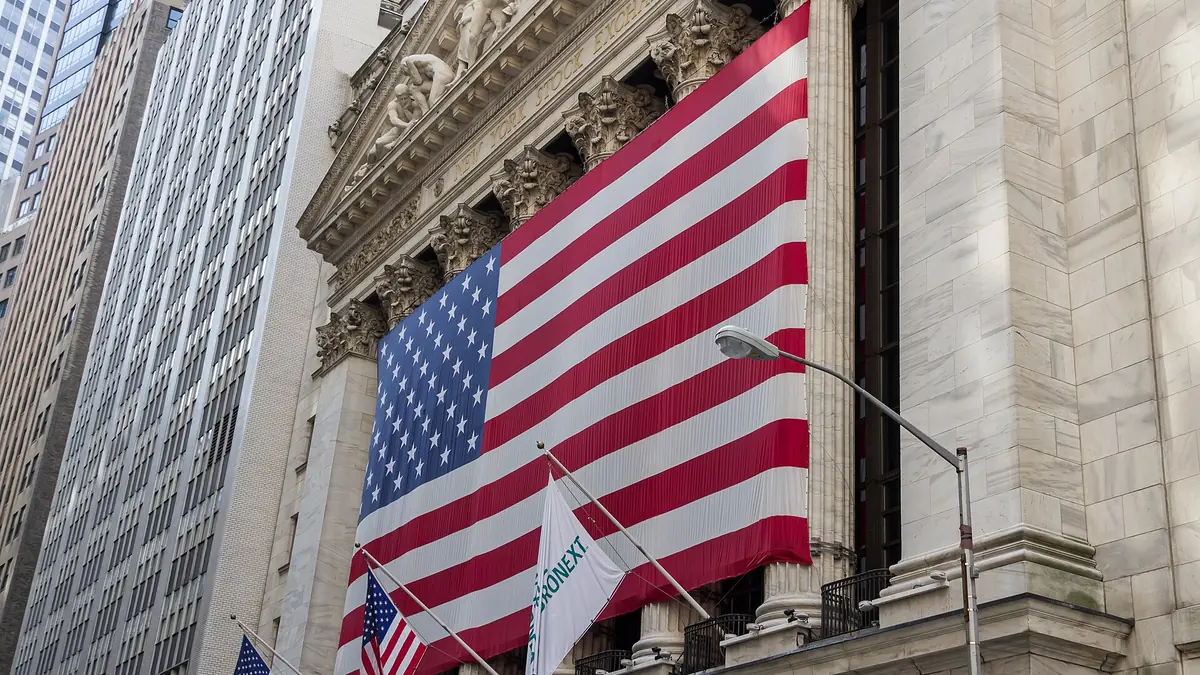
NEW YORK, Nov. 9 — Wall Street’s biggest brokerages pushed back on Monday against last week’s rout in artificial intelligence stocks, calling the sell-off overdone and urging investors to buy the drop, according to Reuters. Morgan Stanley, UBS, HSBC and Jefferies all published research on November 9 arguing that the market had overreacted to fears that a Democratic-controlled Congress would clamp down on data-centre construction — and that the AI spending boom remains intact.
Technology still carries more than 35% of the S&P 500’s weight, so the direction of the AI trade sets the direction for the whole US market. Nvidia reports earnings on November 17 and Anthropic’s IPO is expected in the coming weeks — the two events brokerages say will decide whether Monday’s rebound holds.
- Morgan Stanley, UBS, HSBC and Jefferies called last week’s rout in AI stocks overdone on Monday, November 9, arguing that fears of harsh regulation of data-centre construction under a Democratic-controlled Congress are unlikely to play out.
- The S&P 500 technology sector suffered its biggest one-day drop in more than six years last week, and the Nasdaq Composite fell 5.5% on Thursday, November 5, before stocks rebounded on Monday, with the S&P 500 adding about $1 trillion by mid-morning.
- Morgan Stanley recommended “buying the drop” and stayed positive on Amazon, Meta and Alphabet; HSBC is using the correction to add to equity holdings.
Last week’s slide
The S&P 500 technology sector recorded its biggest one-day fall in more than six years, and the Nasdaq Composite dropped 5.5% on Thursday, November 5, as investors worried that Democratic victories in the midterm elections would slow the data-centre spending behind the market’s rally. The Philadelphia Semiconductor Index fell more than 12% that day, and Nvidia dropped more than 9% in its worst session since January 2025. Monday brought relief: the S&P 500 rose 1.83% by mid-morning, adding about $1 trillion, and the Dow climbed more than 1,000 points.
| Measure | Move |
|---|---|
| Nasdaq Composite, Thursday November 5 | Fell 5.5% |
| Semiconductor Index, November 5 | Fell more than 12% |
| Nvidia, November 5 | Dropped more than 9% |
| S&P 500, Monday | Rose 1.83%, adding about $1 trillion |
| Dow, Monday | Climbed more than 1,000 points |
What Morgan Stanley said
Morgan Stanley’s analysts said the sell-off looked overdone and that the worst outcome would be a push-out of some data-centre projects from 2028 to 2029, rather than a derailing of the spending boom. “This has the potential to elongate the AI capex cycle, which has positives including: a smoother supply-demand rebalancing across the data center supply chain, improved credit outlook, and higher lease rates for compute,” the analysts wrote. The bank recommended “buying the drop”, stayed positive on Amazon, Meta and Alphabet, and said it saw opportunities in Nvidia and Broadcom, Seagate and Western Digital, and Coherent and Lumentum.
What the other banks said
HSBC said it is using the correction to increase its exposure to equities again, leaning into US and Asian technology stocks, and it views Anthropic’s IPO as the main catalyst in the coming weeks. Jefferies analyst Jane Gibbons called the November 5 sell-off “reactionary” rather than a fundamental reset, noting that daily S&P 500 drops of more than 4% have historically been followed by gains of 11.9% over six months and more than 20% over 12 months. UBS analysts said markets had become too negative on AI political risk, AI credit risks and AI spending. Banks have grown wary of AI debt as the sell-off shakes lenders.
Valuations have reset
MarketWatch reported that Morgan Stanley’s strategists see the S&P 500 slipping first to the low end of their 7,100 to 7,300 downside target before a year-end rally, and advise investors to add exposure gradually. Valuations have reset: the technology sector’s forward price-to-earnings ratio fell to 17.1, below the S&P 500’s 17.9, the first time since 2017 tech has traded cheaper than the broader market.
Frequently Asked Questions
What caused last week’s AI sell-off?
Investors worried that Democratic victories in the midterm elections would slow data-centre spending. The S&P 500 technology sector suffered its biggest one-day drop in more than six years on November 5.
What should investors watch next?
CoreWeave reports earnings on Tuesday, Nvidia reports after the market closes on November 17, and Anthropic’s IPO is expected in the coming weeks.
What did Morgan Stanley recommend?
Morgan Stanley recommended “buying the drop”, stayed positive on Amazon, Meta and Alphabet, and said it saw opportunities in Nvidia and Broadcom, Seagate and Western Digital, and Coherent and Lumentum.